
اخبار السعودية – وطن نيوز
عاجل اخبار السعودية – اخبار اليوم السعودية
W6nnews.com ==== وطن === تاريخ النشر – 2026-05-04 00:48:00
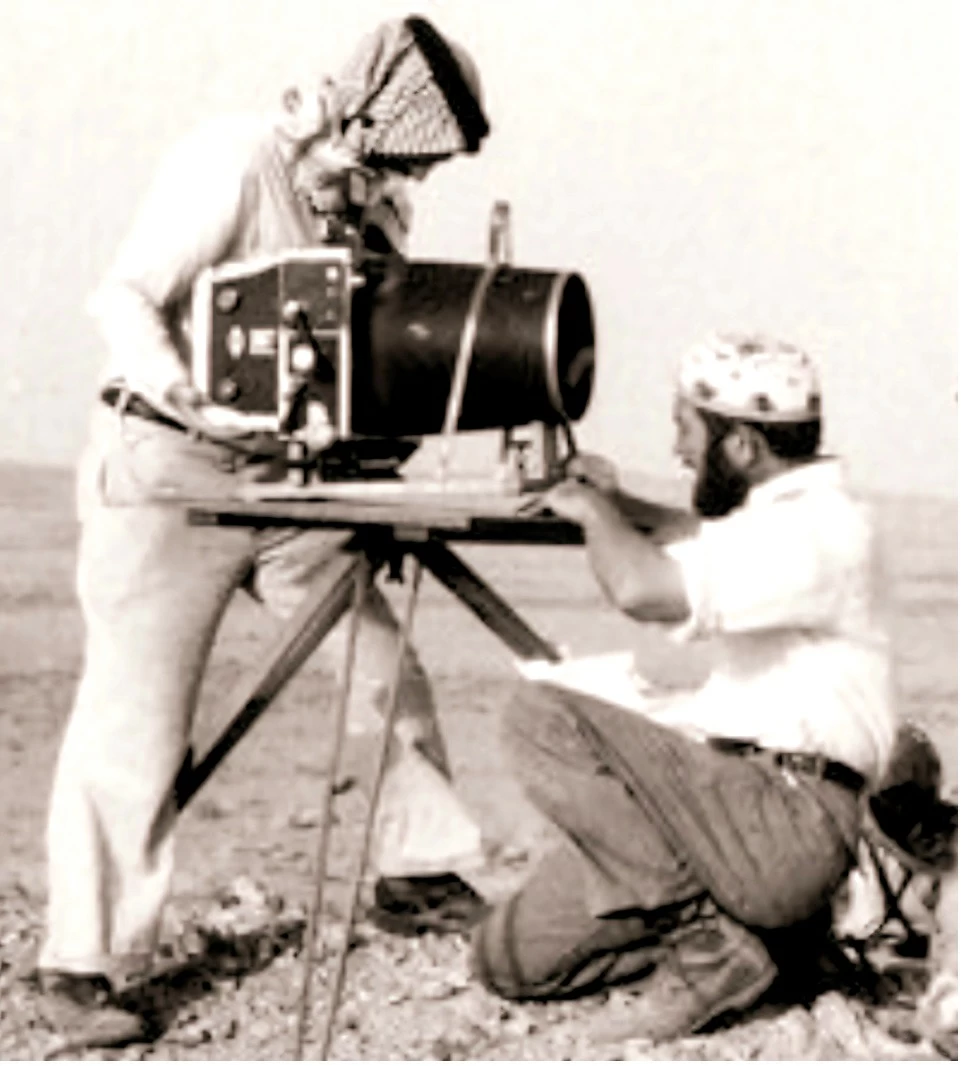
لاكتشاف النفط في شرق المملكة العربية السعودية قصة طويلة مشوقة، مليئة بالتحديات والمفاجآت والإرهاصات، وتعكس فصولها حكايات ملهمة وجهوداً ملحمية جديرة بأن تروى للأجيال الجديدة عن ثلة من الجيولوجيين الأمريكيين الذين أرسلتهم «شركة ستاندر أويل أوف كاليفورنيا» (تغير اسمها منذ يناير 1944 إلى شركة الزيت العربية الأمريكية/ أرامكو) إلى الصحراء السعودية القاحلة في مطلع الثلاثينات من القرن العشرين، للبحث عن النفط بموجب اتفاقية الامتياز التي حصلت عليها الشركة من الحكومة السعودية في 29 مايو 1933، وحددت مساحة المنطقة المستحوذ عليها لأغراض التنقيب بنحو 371,263 ميلاً مربعاً من الأراضي الصحراوية.أحد أوائل الأمريكيين، بل أولهم، من الذين قبلوا التحدي فتركوا بلادهم الخضراء الباردة وحياتهم العصرية المتمدنة ورفاهيتهم المعيشية، وجاؤوا إلى صحراء الجزيرة العربية للعمل تحت لهيب الشمس الحارقة والإقامة داخل خيام في معسكرات بدائية هو الجيولوجي «شويلر بي كروغ هنري»، الشهير باسم «كروغ هنري»، الذي نستعرض هنا سيرته وجهوده الاستكشافية وكيفية تأقلمه مع حياة الصحراء، خصوصاً أنه يلقب «راعي الأوّله»، كونه الأمريكي الأول الذي وصل إلى الظهران وأقام بها، وأول من قام بفحص قبة الدمام الجيولوجية التي لاحظها الجيولوجيان الأمريكيان «فريد ديفيز» و«وليام تايلور» من البحرين سنة 1930، وقالا إنها تشبه البنية القبوية الكلاسيكية التي أثبتت جدواها لجهة اكتشاف الزيت في جزيرة البحرين، وأول من حدد مواقع حفر الآبار في الظهران (بما فيها بئر الدمام رقم 7 التي شيد في مكانها ركام من الصخور كعلامة على أنها المكان الأنسب لحفر البئر الأولى)، وساهم في أعمال المسح والبحث الأولى وتحديد التراكيب الجيولوجية الواعدة التي قادت إلى اكتشاف النفط في شرق السعودية في عام 1938، وأول من رسم أول خريطة جيولوجية للمنطقة الشرقية باستخدام كاميرا مسح ضخمة من تلك التي تركب في طائرات المسح الجوي. وهو من ناحية أخرى، أول أمريكي في تاريخ شركة أرامكو يأتي بزوجته وطفلته للإقامة في الظهران. ولهذا كله، فإن اسم «كروغ هنري» يتكرر ذكره في سياق تاريخ التنقيب عن النفط في السعودية، بل إن البعض يصفه بمؤسس مدينة الظهران الحالية.نستعين في توثيق سيرته بما كتبه غيث الشايع في صحيفة «اليوم» السعودية (25/5/2025)، وبمواد متفرقة منشورة عنه في مطبوعات أرامكو الإنجليزية، وبشيء مما أورده رئيس أرامكو السابق «توماس بارقر» في كتابه «تحت القبة الزرقاء، رسائل من العربية السعودية».في الثالث والعشرين من سبتمبر 1933، وصل أول فريق من «شركة ستاندر أويل أوف كاليفورنيا» مكون من أمريكيين اثنين (زاد عددهم تدريجياً إلى عشرة أشخاص فيما بعد) إلى ساحل الجبيل، قادمين من البحرين التي كان النفط قد اُكتشف فيها قبل نحو عام من ذلك التاريخ، ليجدا نفسيهما وسط صحراء قاحلة لكن معتدلة الحرارة (في تلك الفترة من السنة على الأقل)، وقابلة للعمل في ظلها والقيام بأعمال البحث والمسح الميدانية.بدأ الرجلان الملتحيان «روبرت بيت ميلر» و«شويلر كروغ هنري» عملهما، حتى قبل أن يمتلك فريق العمل مكاتب أو مختبرات أو مساكن ثابتة. إذ لبسا الثياب العربية مع الكوفية والعقال، وانطلقا في ديسمبر 1933 في سيارة فورد إلى الصحراء، غير آبهين بوعورة الطريق والكثبان الرملية والمستنقعات. هذا الفريق الصغير، لم يكن بمعيته آنذاك سوى شاحنة صغيرة وبعض الأدلاء البدو ونفر من الحراس وطاهٍ وميكانيكي ومترجم، لكن الوضع تغير بعد أن انضم جيولوجيون أمريكيون آخرون، ووصلت بعض معدات المساحة والقياس من الولايات المتحدة والبحرين، إذ تضاعف عدد المرافقين والخدم والحراس والمترجمين والطهارة والميكانيكيين والمساعدين، وتمّ استخدام قافلة من الجمال لحمل الأشخاص والأمتعة المكونة من الأجهزة والخيام والحصائر والأسرة والمقاعد القابلة للطي والطعام وأدوات الطهي والمواقد وعبوات البنزين وقِرَب مياه الشرب النظيفة، وإطارات احتياطية وقطع غيار للسيارات، وغيرها. وفي هذه الفترة أيضاً اختير قصر برزان بمدينة الجبيل كمقر إداري لشركة الزيت، ولهذا شهدت الجبيل في مارس سنة 1934 أول هبوط لطائرة في تاريخها وتاريخ شرق السعودية، وكانت من نوع «فيرتشايلد 17» للاستخدام في أعمال المسح والتصوير الجوي، كما اختير منزل من منازل عائلة القصيبي الثرية في الهفوف كمقر فرعي للشركة.سارت الأمور على ما يرام حتى حلول يونيو 1934، الذي توقف فيه العمل بسبب حرارة الشمس وبدء فصل الصيف، حيث تعرف فيها الأمريكيان ميلر وهنري لأول مرة على مدى سطوة شمس صحراء الجزيرة العربية. هنا قررا أن يأخذا قسطاً من الراحة، فكان أن وقع اختيارهما على لبنان لتمضية الصيف قبل العودة لمواصلة عملهما. وفي لبنان أقاما بفندق تاريخي فخم في أحضان الطبيعة الساحرة اسمه فندق القاصوف ببلدة ظهور الشوير الواقعة في قضاء المتن. وفي هذا الفندق التقى «كروغ هنري» أثناء تناوله الطعام بفتاة أحلامه التي كانت شابة لبنانية تدعى «أنيت»، من مواليد بورسعيد في عام 1915، وذات نشأة بيروتية، وتجيد التحدث باللغات العربية والفرنسية والإيطالية واليونانية، عدا الإنجليزية التي تعلمتها فيما بعد. وبينما كان زميله «بيت ميلر» يستعد للسفر من بيروت إلى لندن لترتيب شحن بعض الإمدادات الضرورية إلى الظهران، كان «كروغ هنري» مشغولاً بالفتاة اللبنانية التي سحرته من أول نظرة، والتي ستغير حياته، وسيغير هو حياتها بالتأكيد.تحدث الروائي والقاص والمؤرخ والناشط البيئي الأمريكي المعروف «والاس ستيغنر» (1909 ــ 1993) في كتابه الموسوم «ديسكفري، البحث عن البترول العربي» عن لحظة لقاء هنري باللبنانية أنيت فوصفها قائلاً: «لو أن الفتاة حملت شحنة كهربائية بقوة 6,600 فولت، لما شلّته أكثر».جملة القول، إن قصة الإعجاب والحب بين الطرفين سرعان ما انتهت بعقد قرانهما في بيروت، لتبدأ بعدها بعدة سنوات رحلة أنيت إلى شرق السعودية، حيث كانت شاهدة مع زوجها على واحد من أعظم اكتشافات الطاقة في القرن العشرين، وإحدى ملاحم تحويل الصحراء القاحلة إلى ورشة عمل وبناء لا يهدأ هدير آلاتها ومكائنها طوال ساعات النهار.لم تكن الظهران وقتذاك كما هي الآن. إذ إنّ قلة المساكن وانعدام المدارس وتواضع مقومات الحياة، وافتقاد الرفاهية والأنشطة الاجتماعية والترويحية كانت من أسباب تأخر التحاق أنيت بزوجها. لكن في يونيو من عام 1936، وصلت أولى الوحدات السكنية المكيفة إلى الظهران، بعد أن تمّ شحنها من الولايات المتحدة بحراً، فكانت تلك الوحدة المكيفة هي الأولى من نوعها في المنطقة الشرقية، وكان الحدث مهماً لكروغ هنري تحديداً، لأنه سيمكنه من تمضية فصل الصيف في الظهران لمواصلة أعمال التنقيب، وسيسرّع في لمّ شمله مع أسرته الصغيرة. وهذا ما حدث بالفعل. إذ سرعان ما وصلت زوجته أنيت من بيروت إلى البحرين جواً، ومن الأخيرة انتقلت بحراً إلى فرضة الخبر في أبريل 1937، وبصحبتها طفلتهما الصغيرة، «ماري لو هنري»، لتسجل اسمها في وثائق أرامكو وصناعة الزيت كأول زوجة أمريكية تلتحق بزوجها في الظهران، بل كأول عنصر نسائي أجنبي يسكن الظهران، ولتصبح «ماري لو» أول طفلة أمريكية داخل مجتمع أرامكو.ومما لا شك فيه، أن حياة الزوجية والاستقرار جعلت كروغ هنري ينصرف بحماس أكبر نحو الهدف الذي جاء من أجله، بل وجه كل طاقته ووقته نحو ذلك، متخلياً حتى عن إجازاته الصيفية إلى الخارج، خصوصاً أن أرباب عمله في الولايات المتحدة كانوا ينتظرون منه ومن فريقه أخباراً مفرحة تعوضهم عما استثمروه من مبالغ طائلة في الصحراء السعودية، وما تعرضوا له من أضرار اقتصادية بسبب الكساد الاقتصادي العالمي آنذاك.بئر الخيروهكذا، في أقل من أربع سنوات، ومن بعد محاولات مضنية ومتعددة ورسم خرائط وتحديد أماكن معينة للحفر والتنقيب، وقدوم مجموعات جديدة من الجيولوجيين والفنيين الأمريكيين لمساعدة فريق التنقيب الأول، تدفق النفط بكميات تجارية من «بئر الدمام رقم 7» (بئر الخير) في 4 مارس 1938، ليكون الحدث إيذاناً بتغير وجه وحياة بلاد وأمة بأكملها.في الظهران عاصر هنري، الذي كان قد عمل سابقاً مع «شركة ستاندر أويل أوف كاليفورنيا» في أدغال فنزويلا وأحراشها، وعاش لمدة عام واحد في البحرين، تعلم خلالها العربية الدارجة وبعض العادات العربية، قبل وصوله إلى الجبيل، ظروف الحرب العالمية الثانية وحيداً، لأنه خشي من احتمال تعرض منشآت النفط لغارات إيطالية على نحو ما حدث لمصافي النفط في البحرين سنة 1940، وبالتالي تعرض زوجته وابنته لأذى نفسي، فأبعدهما إلى القاهرة، حيث عملت زوجته في مكتب شركة أرامكو في العاصمة المصرية. وخلال هذه الفترة تنقل هنري مع أسرته أيضاً بين مصر وكولومبيا وفنزويلا. وبعد انتهاء الحرب، وتحديداً في عام 1948 عاد الزوجان للعمل بشركة أرامكو، لكن مكان إقامتهما وعملهما كان هذه المرة في رأس تنورة، التي عملت بها أنيت معلمة لمادة اللغة الفرنسية لطلبة وطالبات مدارس الشركة، إلى جانب مشاركتها في الكثير من الأنشطة الثقافية والاجتماعية والرياضية المبكرة في رأس تنورة.آخر المغادرين للسعودية من فريق التنقيب الأولوبحلول سنة 1957، قرر الزوجان هنري أن يتقاعدا عن العمل، واختارا مدينة سان فرانسيسكو بولاية كاليفورنيا ليقضيا فيها بقية حياتهما بهدوء، لكن كروغ هنري، الذي كان أحد آخر المغادرين للسعودية من أعضاء فريق التنقيب الأول، توفي في عام 1981 بعد معاناة طويلة مع المرض، ولحقته زوجته أنيت في عام 2002 عن عمر ناهز 87 عاماً. أما ابنتهما ماري لو (ميتزي)، فقد توفيت قبل أمها بعامين. وحينما غادر الزوجان إلى الولايات المتحدة، كانت الظهران قد تحولت من بلدة صحراوية قاحلة إلى مدينة عصرية مكتملة التجهيزات والمرافق، بحدائق غنّاءة وفلل مريحة من الخرسانة المسلحة، يعيش بها الآلاف من الأمريكيين وأسرهم وأطفالهم.وطبقاً لشهادة «ماري نورتون»، إحدى صديقات أنيت، فإن الأخيرة وقت وفاتها «كانت لا تزال متألقة وحادة الذكاء وعاشقة للحياة دون أن تفقد شغفها أو جمال روحها».The story of discovering oil in the eastern region of the Kingdom of Saudi Arabia is a long and exciting tale, filled with challenges, surprises, and premonitions. Its chapters reflect inspiring stories and epic efforts worthy of being told to new generations about a group of American geologists sent by the “Standard Oil Company of California” (which changed its name in January 1944 to the Arabian American Oil Company/Aramco) to the arid Saudi desert in the early 1930s, to search for oil under the concession agreement obtained by the company from the Saudi government on May 29, 1933, which defined the area allocated for exploration at approximately 371,263 square miles of desert land.One of the first Americans, indeed the first, to accept the challenge, leaving behind his green, cold homeland, modern civilized life, and comfortable living, and coming to the Arabian desert to work under the scorching sun and live in tents in primitive camps, was the geologist “Schuyler P. Krug Henry,” famously known as “Krug Henry.” Here, we review his biography, his exploratory efforts, and how he adapted to desert life, especially since he is nicknamed “the shepherd of the first,” being the first American to reach Dhahran and reside there, the first to examine the geological dome of Dammam, which was noticed by American geologists “Fred Davis” and “William Taylor” from Bahrain in 1930, who said it resembled the classic dome structure that proved viable for oil discovery in Bahrain. He was also the first to identify drilling sites in Dhahran (including Dammam Well No. 7, where a pile of rocks was erected as a marker indicating it was the most suitable place for drilling the first well), and he contributed to the initial surveying and research efforts and identifying promising geological formations that led to the discovery of oil in eastern Saudi Arabia in 1938. He was the first to draw the first geological map of the Eastern Province using a massive aerial survey camera. On another note, he was the first American in Aramco’s history to bring his wife and child to live in Dhahran. For all these reasons, the name “Krug Henry” is frequently mentioned in the context of the history of oil exploration in Saudi Arabia, with some even describing him as the founder of the present-day city of Dhahran.We rely on documenting his biography with what was written by Ghaith Al-Shaya in the Saudi newspaper “Al-Youm” (25/5/2025), and various materials published about him in Aramco’s English publications, along with some of what former Aramco president “Thomas Barger” mentioned in his book “Under the Blue Dome: Letters from Arabia Saudi.”On September 23, 1933, the first team from the “Standard Oil Company of California,” consisting of two Americans (who gradually increased to ten later), arrived at the coast of Jubail, coming from Bahrain, where oil had been discovered about a year prior to that date. They found themselves in the midst of a barren desert but with moderate temperatures (at least during that time of year), suitable for working under and conducting field surveys.The two bearded men, “Robert Peet Miller” and “Schuyler Krug Henry,” began their work even before the team had offices, laboratories, or permanent housing. They wore Arab clothing with the keffiyeh and agal, and in December 1933, they set off in a Ford car into the desert, undeterred by the rough roads, sand dunes, and swamps. This small team had only a small truck, some Bedouin guides, a few guards, a cook, a mechanic, and a translator at that time, but the situation changed after more American geologists joined, and some surveying and measuring equipment arrived from the United States and Bahrain. The number of accompanying personnel, servants, guards, translators, cooks, mechanics, and assistants increased, and a caravan of camels was used to carry people and luggage consisting of equipment, tents, mats, beds, folding chairs, food, cooking utensils, stoves, gasoline containers, clean drinking water, spare tires, car parts, and more. During this period, the Barzan Palace in Jubail was chosen as the administrative headquarters for the oil company, and thus Jubail witnessed in March 1934 the first landing of an airplane in its history and the history of eastern Saudi Arabia, a “Fairchild 17” used for surveying and aerial photography. A house from the wealthy Al-Qusaybi family in Al-Hofuf was also chosen as a branch headquarters for the company.Things went well until June 1934, when work stopped due to the heat of the sun and the onset of summer, during which the Americans Miller and Henry experienced for the first time the intensity of the Arabian desert sun. Here they decided to take a break, choosing Lebanon to spend the summer before returning to continue their work. In Lebanon, they stayed at a luxurious historic hotel in the embrace of enchanting nature called the Qasouf Hotel in the town of Dhour Choueir, located in the Metn district. In this hotel, “Krug Henry,” while having a meal, met the girl of his dreams, a young Lebanese woman named “Anita,” born in Port Said in 1915, with a Beirut upbringing, who spoke Arabic, French, Italian, Greek, and later learned English. While his colleague “Peet Miller” was preparing to travel from Beirut to London to arrange for the shipment of some essential supplies to Dhahran, “Krug Henry” was preoccupied with the Lebanese girl who captivated him at first sight, and who would change his life, just as he would certainly change hers.The renowned American novelist, short story writer, historian, and environmental activist “Wallace Stegner” (1909-1993) spoke in his book titled “Discovery: The Search for Arab Oil” about the moment Henry met the Lebanese Anita, describing it by saying: “If the girl had carried an electric charge of 6,600 volts, it would not have paralyzed him more.”In summary, the story of admiration and love between the two soon culminated in their marriage in Beirut, after which, several years later, Anita embarked on a journey to eastern Saudi Arabia, where she witnessed with her husband one of the greatest energy discoveries of the twentieth century, and one of the epics of transforming the barren desert into a bustling workshop, with the roar of its machines and equipment echoing throughout the daylight hours.At that time, Dhahran was not as it is now. The scarcity of housing, the lack of schools, the modest living conditions, and the absence of luxury and social and recreational activities were among the reasons for the delay in Anita joining her husband. However, in June 1936, the first air-conditioned housing units arrived in Dhahran, shipped from the United States by sea, and this air-conditioned unit was the first of its kind in the Eastern Province. This event was particularly significant for Krug Henry, as it would allow him to spend the summer in Dhahran to continue his exploration work and hasten his reunion with his small family. And this is exactly what happened. Soon after, his wife Anita arrived from Beirut to Bahrain by air, and from there she traveled by sea to the port of Khobar in April 1937, accompanied by their little daughter, “Mary Lou Henry,” to record her name in Aramco and the oil industry as the first American wife to join her husband in Dhahran, and indeed as the first foreign female resident of Dhahran, making “Mary Lou” the first American child within the Aramco community.Undoubtedly, married life and stability made Krug Henry devote himself with greater enthusiasm to the goal for which he came, directing all his energy and time toward it, even foregoing his summer vacations abroad, especially since his employers in the United States were awaiting good news from him and his team to compensate for the enormous amounts they had invested in the Saudi desert and the economic damages they had suffered due to the global economic depression at that time.Well Al-KhayrThus, in less than four years, after arduous and multiple attempts, mapping, and identifying specific drilling and exploration locations, and the arrival of new groups of American geologists and technicians to assist the first exploration team, oil flowed in commercial quantities from “Dammam Well No. 7” (Well Al-Khayr) on March 4, 1938, marking an event that would change the face and life of an entire country and nation.In Dhahran, Henry, who had previously worked with the “Standard Oil Company of California” in the jungles of Venezuela and its forests, and had lived for a year in Bahrain, during which he learned colloquial Arabic and some Arab customs before arriving in Jubail, experienced the conditions of World War II alone, fearing the possibility of oil facilities being targeted by Italian raids, as had happened to the oil refineries in Bahrain in 1940, and thus putting his wife and daughter at psychological risk, so he moved them to Cairo, where his wife worked in the Aramco office in the Egyptian capital. During this period, Henry and his family also moved between Egypt, Colombia, and Venezuela. After the war ended, specifically in 1948, the couple returned to work at Aramco, but this time their residence and work were in Ras Tanura, where Anita worked as a French language teacher for the students of the company’s schools, in addition to participating in many early cultural, social, and sports activities in Ras Tanura.The Last to Leave Saudi Arabia from the First Exploration TeamBy 1957, the Henry couple decided to retire, choosing the city of San Francisco in California to spend the rest of their lives in peace. However, Krug Henry, who was one of the last to leave Saudi Arabia from the members of the first exploration team, passed away in 1981 after a long battle with illness, followed by his wife Anita in 2002 at the age of 87. Their daughter Mary Lou (Mitzi) had passed away two years before her mother. When the couple left for the United States, Dhahran had transformed from a barren desert town into a modern city fully equipped with facilities, lush gardens, and comfortable reinforced concrete villas, inhabited by thousands of Americans and their families and children.According to the testimony of “Mary Norton,” one of Anita’s friends, at the time of her death, she “was still radiant, sharp-witted, and in love with life without losing her passion or the beauty of her spirit.”