
اخبار السعودية – وطن نيوز
عاجل اخبار السعودية – اخبار اليوم السعودية
W6nnews.com ==== وطن === تاريخ النشر – 2026-02-22 01:59:00
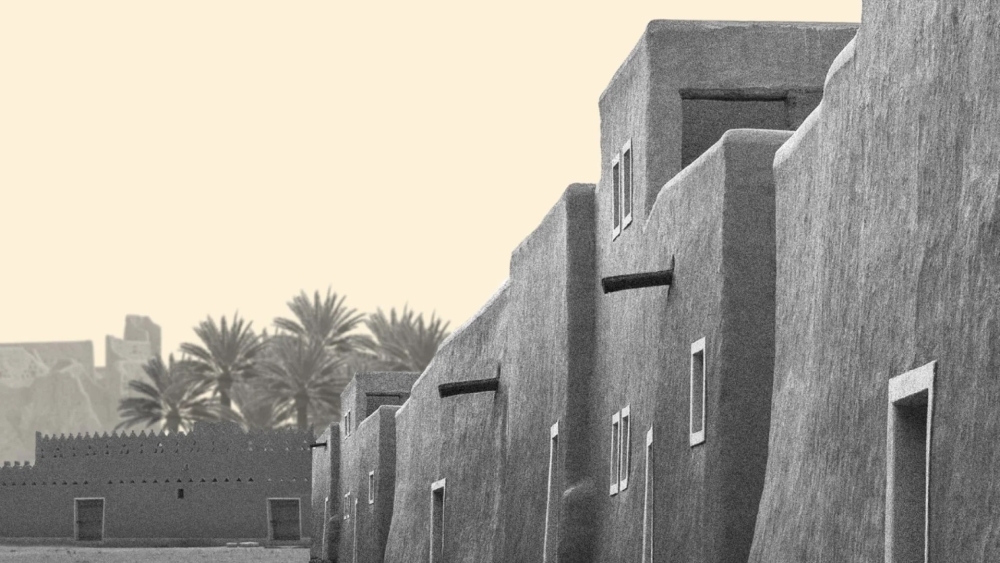
On February 22, the Kingdom of Saudi Arabia celebrates Foundation Day, commemorating the founding of the first Saudi state by Imam Muhammad bin Saud. This national occasion embodies pride in the deep roots and historical legacy of the Kingdom, highlighting the solid bond between its citizens and its leaders since the founding of the first Saudi state three centuries ago, with Diriyah as its capital. That first state was fully sovereign, with Islam as its religion, and the Qur’an and Sunnah as its constitution, a tradition that still exists today. The people of the Kingdom of Saudi Arabia are proud of this historical legacy established by Imam Muhammad bin Saud, whose state contributed to shaping the social, political, economic and cultural landscape of the Arabian Peninsula. From the founding of the first Saudi state, through the second state founded by Imam Turki bin Abdullah, all the way to the unification of the Kingdom of Saudi Arabia under the leadership of King Abdulaziz bin Abdul Rahman, the Kingdom has grown and developed and reached the ranks of the largest countries in the world politically and economically, and it has a dazzling future ahead of it in many fields. Successive kings contributed to this progress, which reached its peak during the era of the Custodian of the Two Holy Mosques, King Salman bin Abdulaziz Al Saud, and the Crown Prince and Prime Minister, Prince Mohammed bin Salman bin Abdulaziz Al Saud. A royal order was issued by the Custodian of the Two Holy Mosques, King Salman bin Abdulaziz Al Saud, to make February 22 a founding day, a day that symbolizes the historical, civilizational and cultural depth of the Kingdom of Saudi Arabia when Imam Mohammed bin Saud founded the first Saudi state in the year 1139 AH / 1727 AD. History and Ancient Legacy The anniversary of the founding of the state provides a valuable opportunity to reflect on the past three centuries of the history of the Saudi state, shedding light on its ancient legacy, its influence throughout the Arabian Peninsula, and the thoughtful process on which it was established. Since its inception, the Saudi state has paid great attention to establishing order, ensuring social security, serving the Two Holy Mosques, and improving the lives of its people, all while facing many challenges. The nation’s cohesion has played a pivotal role in the state’s continuity since 1727, ensuring its continued success even in the darkest circumstances. To celebrate this national occasion, the Kingdom’s cities are hosting various cultural and artistic events. These celebrations of creativity, love and loyalty reflect the ancient history passed down by the nation’s leaders, and embody the country’s journey through periods of prosperity and hardship, highlighting its steadfastness, pride and preservation of the authentic Arab identity. These activities also reinforce the concept of national unity in the various stages of the Saudi state. The close relationship between the people and the leadership has remained constant, and has continued during the era of the Custodian of the Two Holy Mosques and the Crown Prince, during which the Kingdom is witnessing remarkable development and renaissance within the framework of Vision 2030. Modern Development Today, Saudi Arabia is witnessing an exceptional transformation, and a historic moment in the process of modern development. Since the announcement of Vision 2030, the Kingdom has been moving steadily towards a bright future full of growing opportunities and tremendous potential. The kingdom’s traditional approach has changed course, committing to reform and pledging to provide broader opportunities. Women took charge, cinemas welcomed moviegoers and film lovers, the kingdom opened its doors to tourism, concerts by famous international artists such as Akon, David Guetta and DJ Marshmello became commonplace, and Ithra hosted public programs featuring Saudi, Arab and international artists, actors and musicians, as well as cultural experts from many disciplines. With increasing experience People In the fields of business, science and the arts, the Kingdom is growing into a multi-faceted nation, characterized more and more by creativity and expertise. Seemingly impossible goals are being achieved, ambitious projects are being crowned with success, and positive feedback is flowing across the Kingdom. Just a few years ago, Saudi citizens were looking elsewhere for their leisure activities and inspiration. Now, as the Kingdom expands its offerings and opportunities, people from the region and the world are finding new possibilities and opportunities within Saudi Arabia. The Kingdom’s long-awaited renewed platform has been very popular. In the fields of culture, science and entrepreneurship, we are witnessing in the Kingdom of Saudi Arabia a remarkable boom in the field of human capabilities. Serving the Two Holy Mosques represents a continuous Saudi approach since the unification of the Kingdom by King Abdulaziz, as the leadership paid great attention to expanding the Grand Mosque and the Prophet’s Mosque, developing facilities, and using technology to serve pilgrims and Umrah performers. Achievements began with early restorations in 1344 AH/1926 AD and successive historical expansions, leading to the current giant expansions, with the adoption of the title “Custodian of the Two Holy Mosques.” King Abdulaziz announced the first Saudi expansion of the Prophet’s Mosque in 1368 AH, while the first Saudi expansion of the Grand Mosque began during the reign of King Saud in 1375 AH, increasing its area to 28 thousand square meters, and then he continued expanding the mosque. During the reign of King Faisal, prayer spaces were expanded and added to the western side of the Prophet’s Mosque, and 80 canopies were installed. However, during the reign of King Khalid, he ordered the making of a new door for the Holy Kaaba in 1399 AH, and the paving of the courtyard with white marble. During the reign of King Fahd, the late king was the first to be officially titled “Custodian of the Two Holy Mosques” in 1407 AH, as he ordered the expansion. The second Saudi expansion of the Grand Mosque in 1409 AH, bringing the capacity to 1.5 million worshipers, and increasing the minarets to nine. During the reign of King Abdullah, the largest expansion in the history of the Grand Mosque was implemented, which increased its total area significantly, in addition to the expansion of the Prophet’s Mosque. In the current era of King Salman bin Abdulaziz, the third expansion of the Two Holy Mosques (the Third Saudi Project) continued, which jumped the area of the Grand Mosque to accommodate Two million worshipers. The General Presidency for the affairs of the Grand Mosque and the Prophet’s Mosque was also transformed into the “General Authority for the Affairs of the Grand Mosque and the Prophet’s Mosque” in 2023 to enhance the quality of services. Among the most prominent services efforts is the provision of a high-end transportation system such as “Mecca Taxi” (1,800 vehicles) to meet the needs of pilgrims, and the Guests of the Most Merciful program, which is one of the Vision 2030 programs, aims to enable innovation in services. As well as employing modern technologies in managing Hajj, and interest in documenting the history of the Two Holy Mosques through the King Abdulaziz Palace. Transformations in various areas of life Economically, oil and its related industries dominate the Kingdom’s economy, as it ranks first in the world in terms of oil reserves, and possesses about a fifth of the known reserves in the world. Oil deposits are concentrated in the east of the country. Other mineral resources are known to exist, and the government has pursued a policy of exploration and production to diversify the economic base. Reconnaissance geological surveys of the Precambrian Shield in the west have revealed deposits of gold, silver, copper, zinc, lead, iron, titanium, pyrite, magnesite, platinum and cadmium. There are also non-metallic resources such as limestone, silica, gypsum, and phosphorite. Transportation and Communications: All the Kingdom’s roads are paved, and the car is a common means of transportation, and taxis are available in cities and most large towns. Seaport capacity has witnessed significant expansion. The most important shipping ports are: Jeddah, Yanbu, Dabaa, and Jizan on the Red Sea, and Dammam and Jubail on the Arabian Gulf. The Kingdom also includes many large and small airports. Radio broadcasting began in the Kingdom in 1948, and the first television station was established in 1965. The state supervises all broadcast operations, and programs focus on religious and cultural affairs, news, and other topics that the government considers meaningful. Radio and television services are widely available, as are telephone services. The government has invested significant resources in modernizing and expanding the country’s communications infrastructure, and large parts of the telephone network have been digitized. Mobile phone service is widespread, and Internet access is available in all major population centers. Health and Social CareHealth care has received great attention, and the number of hospital beds, doctors, and nurses has increased significantly. In addition to numerous institutes, hospitals and health centers, a network of dispensaries has been established serving communities with a population of 10,000 or more, supported by a system of mobile health services that reach small communities and the rest of the nomadic population. The Kingdom of Saudi Arabia is witnessing continuous development in the field of medical technology. The kingdom has its own facilities to train doctors, nurses, and other medical personnel, and Saudis rarely travel abroad to receive specialized medical treatment. These services have been extended to include remote areas of the country. The private sector, which makes a vital contribution to health services, has witnessed remarkable growth over the past decade, running a number of hospitals and clinics in the Kingdom. Major hospitals in Saudi Arabia offer all types of advanced treatments, including open-heart surgery, kidney transplantation, and cancer treatment. The Kingdom includes one of the largest and most equipped eye hospitals in the world, King Khalid Eye Specialist Hospital, in addition to King Fahad Medical City in Riyadh, which is considered one of the largest medical facilities in the Middle East. Education The national educational system in the Kingdom of Saudi Arabia consists of 36,700 general education schools, and about 42 public and private universities, in addition to technical and military colleges. This sector serves approximately 6.7 million students, both male and female. The education system in the Kingdom is witnessing a remarkable growth in the number of universities listed in international classifications such as QS and Shanghai. The Saudi Future The future of the Kingdom of Saudi Arabia is very promising, as it is witnessing many rapid developments. From the Vision 2030 initiative to diversifying sources of non-oil revenues, the Kingdom seeks to achieve progress in various fields. The Kingdom is also investing heavily in sectors such as quantum technology and artificial intelligence. Here is a glimpse of the future of the Kingdom of Saudi Arabia: Saudi Vision 2030 aims to increase diversification in the economic, cultural and social sectors. It also focuses on reducing dependence on oil by developing alternative sources of income, in addition to investments in tourism, entertainment and technology. Modern Saudi Arabia is witnessing rapid and accelerating transformations led by the state, according to Vision 2030. The present plays a pivotal role in transforming the ancient Saudi civilization into a modern, advanced era full of modern technologies. Foreign Direct InvestmentThe Kingdom of Saudi Arabia strives to attract foreign direct investment through Creating a more favorable business environment. The authorities aspire to reach $100 billion in foreign direct investment annually by 2030. The government is also focusing on increasing non-oil revenues. This has already led to significant growth in GDP and contributed to a more resilient economy. Cultural Initiatives The Kingdom invests in cultural projects and events to enhance its global image and support tourism. This includes hosting international festivals such as the Thousand Seasons and Elie Saab festivals, which were recently held in Riyadh, in addition to concerts, art exhibitions, etc. Investing in technology Saudi Arabia places a high priority on technological progress, especially in the fields of artificial intelligence and renewable energy, as engines of innovation and economic growth. Work is also underway on projects such as the NEOM project to create a future and sustainable living environment. The most important stations in Saudi Arabia’s journey 1727 AD: The establishment of the first Saudi state by Imam Muhammad bin Saud in Diriyah. 1824 AD: The establishment of the second Saudi state by Imam Turki bin Abdullah in Riyadh. 1932 AD: The establishment of the Kingdom of Saudi Arabia (the third Saudi state) 1953 AD: The death of King Abdulaziz; And his children continue his vision. 2015: King Salman takes the throne, continuing the legacy of development and modernization. Future: Many initiatives and developments to make Saudi Arabia a global center.