

اخبار سلطنة عُمان – وطن نيوز
اخر اخبار سلطنة عُمان اليوم – اخبار سلطنة عُمان العاجلة
W6nnews.com ==== وطن === تاريخ النشر – 2026-03-24 15:52:00
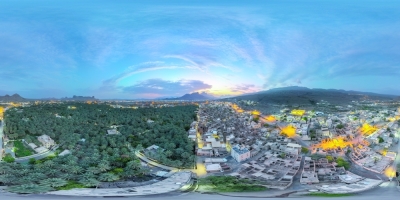
Survey – Youssef bin Salem Al Habsi _ “Photography: Muhammad bin Nasser Al Awfi” The mud houses and old neighborhoods in Al Hamra state are no longer just silent witnesses to the past, but rather, thanks to the vision of its people, they have turned into vibrant tourist platforms. Through the restoration of mud houses, the state was able to provide a unique model that combines the protection of traditional architecture with modern economic returns. This transformation was not limited to providing a hostel for residence, but rather extended to become an artery that feeds the local markets and provides direct and indirect job opportunities, enhancing the state’s position as a destination that attracts tourists from the heart of Europe and Asia in search of authenticity in its purest form. In the corridors of Misfat Al Abriyeen and on the towering peaks of Jebel Shams, the tourist finds himself a guest. In an authentic Omani home and not just a guest in a passing hotel, the owners of tourism projects in the state confirm that what they offer is an “integrated living experience” that allows the visitor to engage in the details of daily life, which created a commercial and social movement that reshaped the tourism landscape in the Al Dakhiliyah Governorate. The spirit of the place Salem bin Saud Al Hatali, owner of the Jabal Hat rest house, said: “Converting old houses into heritage inns was a conscious step to protect traditional architecture from extinction, as the restoration process was carried out according to principles that preserve the spirit of The place, using the same local materials and ancient construction methods, and with the participation of craftsmen from the people of the state, and in this way, the buildings were not only preserved, but were revived to play a contemporary role without losing their authenticity. He added: We do not provide a traditional hotel stay experience, but rather an integrated living experience, as the tourist experiences the details of daily Omani life, from coffee and dates at the reception, to local food, popular gatherings, and direct interaction with the people of the neighborhood or village, and the foreign tourist often shows He greatly admires the generosity of Omani hospitality, and feels like a guest in a house, not a guest in a hotel, which leaves a deep human impact on him. He explained that the heritage inns have directly contributed to revitalizing the commercial movement within the state, as visitors and tourists go to the local markets to buy traditional products, dates, honey, and handicrafts, which supports the income of many families and local merchants. He stressed that the heritage resorts and inns have provided direct job opportunities in the management of inns and tourism services, in addition to opportunities for Indirect to artisans, tourist guides, and productive families, and this encouraged young people to stay in the state and work there instead of migrating to the cities. He pointed out that the inns have become live platforms for displaying and practicing traditional crafts, and the visitor not only buys the product, but watches how it is made and learns about its story. This interaction enhanced the value of the craft, and encouraged the craftsmen to transfer their skills to new generations and visitors. He pointed out that winter remains the most popular season for heritage inns, but summer is the most popular season for traditional inns. There is a huge demand for the Jebel Hat Rest House, and the same applies to the center of the state, especially with the mild weather in Jebel Shams and the high areas. Many tourists come to the state in the summer in search of nature, adventures, and tranquility away from the hustle and bustle of the cities. Al-Hatali mentioned, saying: We receive visitors from several European countries, especially from the Netherlands, at the Jebel Hat Rest House, along with tourists from Asia and North America, in addition to visitors from the Gulf countries, and this diversity reflects the growing status of the Al Hamra State as a tourist destination. He added: There is a clear increase in the demand for adventure tourism, recreational tourism, and moving away from technology, and many visitors today are looking for tranquility, nature, and an authentic experience away from the fast-paced tourism style. He added: Among the most prominent challenges facing us are the cost of continuous maintenance of heritage buildings, the difficulty of providing basic needs in the mountains, and the need for broader promotion at the international level, in addition to some challenges related to infrastructure and specialized training in heritage tourism.. adding: Including “Misfat” “Al Abriyeen” on the list of the best tourist villages in the world constituted an important turning point and placed the state in the sphere of global attention. We believe that the next stage will witness greater growth in the number of visitors and broader opportunities for tourism investment, provided that we continue to preserve the identity and heritage. Architectural Identity Khalfan bin Haleit Al Abri, owner of Al Hamra Mountain View Hospitality, said: “The conversion of old houses into heritage lodges has contributed greatly to strengthening the Omani architectural identity, while preserving building details and the traditional architectural style that reflects Omani civilization.” Authentic. In our hostel, the visitor finds all the elements of Omani life as they were, from building designs to daily lifestyle, without any change to authenticity, which makes the accommodation experience a rich and integrated cultural experience. The inn also provides visitors with a live experience that reflects the simplicity of Omani life, community cohesion, and generous hospitality, where the visitor is welcomed with coffee, dates, and a smile, to feel from the first moment the warmth and Omani heritage, and his stay is an opportunity to learn about the authenticity of Omani hospitality and the spirit of the authentic heritage.” Al-Abri stressed that the heritage inns in Al Hamra play a pivotal role in revitalizing the local markets and the community economy, as they rely on Omani food products, and traditional crafts such as silver, palm leaves, and woodwork, which tourists can Acquiring them as symbolic gifts carries cultural and moral value. He added: “Heritage inns have provided various job opportunities for the people of the state, whether full-time or part-time, and have also contributed to creating opportunities for productive Omani families, by providing food and handicrafts to visitors, which has led to the growth of creativity and development of traditional crafts among young people, strengthening the local economy in a sustainable manner, and making the community a major partner in creating the tourism experience.” Al-Abri explained that the tourist season in Al-Hamra extends from October to April, and tourism activity returns to a greater extent with Eid. Eid al-Adha, while the number of visitors decreases in the summer. He added that tourists come mostly from Germany, France, Italy, Switzerland, Belgium, and the Netherlands, in addition to India, China, and Russia, which reflects the great international interest in the state as a tourist destination that combines picturesque nature, authentic heritage, and diverse recreational activities. He pointed out that adventure tourism and sports, such as mountain hiking, climbing, free-falling, and other adventure sports, are witnessing continuous growth, and trips have also increased. He added: “The combination of adventure, heritage, and nature gives the visitor a comprehensive experience, where he can enjoy the mountain trails, take natural photos, and learn about the authentic Omani culture at the same time.” Al-Abri stressed that the inclusion of Misfat Al-Abriyyin in the list of the best international tourist villages has strengthened the status of the Al-Hamra state internationally, and confirms the quality of the tourism experience offered by the state Tourism in Al Hamra will continue to flourish in the coming years, due to its diverse and unique natural features, including high mountains, picturesque valleys, and adventure trails, in addition to the richness of its urban and craft heritage, making it an integrated global tourist destination that combines adventure, culture, and natural tranquility.” He pointed out that the state of Al Hamra focuses on sustainable tourism and protecting the natural environment, as visitors are directed to practice trips and tourism in an environmentally friendly manner, while preserving natural paths and local plants, which enhances the sustainability of the tourism sector. It makes the visitor’s experience unique, safe and integrated between heritage, nature and adventure. A model of architecture. Saeed bin Khamis Al Khatri, owner of Jabal Shams Resort, said: The availability of integrated services in tourist attractions, such as accommodation, restaurants, cafes, gardens, and other means of entertainment, contributes greatly to attracting tourists and enhancing the tourism movement in the region. He added that Jabal Shams Resort, as the first tourism establishment on the top of the mountain, has significantly contributed to enriching the tourism sector in the state, and the resort is characterized by a traditional Omani architectural character that reflects the spirit of Omani architecture. Mountain life, as most of the buildings are built from mountain rocks, which gives the visitor a unique experience and accommodation that mimics the natural lifestyle of mountain dwellers. Al Khatri explained that the growth in the tourism sector is reflected directly and indirectly on the local economy, through the movement of tourists to gas stations, restaurants, shops, cafes, and other establishments, which enhances commercial activity in the state in general. He added that the availability of tourism services creates real job opportunities for Omani youth, whether directly in the resort and tourist services, or indirectly in sectors such as vending. Heritage, traditional textiles, transportation services between the state and the resort, and other areas related to tourism. He pointed out that Jebel Shams is the highest peak in the Gulf region, and is characterized by a unique geological nature, the diversity of its rocks, and the presence of the Great Fault, the second largest fault in the world, which makes the region a distinctive tourist destination for nature and adventure lovers. He added that adventure tourism, such as climbing and mountain walking (Haking), has gained great popularity in recent years, thanks to the presence of distinctive mountain passes, such as the Sap Beni Pass. Khamis and the Summit Pass, which provide visitors with exceptional exploratory experiences. Al-Khateri pointed out that the resorts in Jebel Shams operate year-round, and are not limited to a specific season, although the winter season witnesses the largest number of visitors, while tourist traffic decreases in the summer. He explained that the majority of tourists who frequent the region are from Central European countries, such as Germany, France, England, Austria and the Netherlands. He pointed out that establishing resorts in remote locations such as Jebel Shams constitutes a logistical challenge in itself, in terms of. Transporting materials, providing drinking water, and conducting regular maintenance. However, over the past two decades, Al Hamra has been able to create a unique tourist movement thanks to the diversity of attraction sites, such as the Great Fault, the ancient Al Hamra Quarter, Misqat Al Abriyyin, and Al Hoota Cave. Al Khatri stressed that tourism in the state is expected to witness greater growth with the new government projects to be implemented, which enhances the state’s position as a leading tourist destination that combines picturesque nature, authentic Omani heritage, and unique experiences. Added value Saeed bin Khamis said. Al-Shaqsi, Supervisor of the Classic Electric Cars Project at Al-Hamra Company for Tourism and Real Estate Development in Al-Hamra State: “There is no doubt that the old neighborhoods were on the verge of turning into ruins, but the intense tourism activity has stimulated a wide segment of owners of old houses to restore and revive them to become a sustainable source of income for them. Staying in mud houses offers an authentic and unique experience, as it allows visitors to learn about authentic customs and traditions, taste Omani coffee, and enjoy deep hospitality that leaves an unforgettable impression, which makes the tourism experience in the state a rich and integrated experience between culture, heritage and nature. Al-Shaqsi added: “With the activation of heritage lodges, a great boom was observed in traditional shops such as furniture stores, detergents, and laundry shops, which gave a strong impetus to commercial activity in the state. This development has contributed to revitalizing the local economy in general, as the tourism sector has become a direct and indirect source of generating income, while creating job opportunities for Omani youth, whether in organizing tourist trips and transporting visitors, or in providing services related to food and hospitality. Women have also benefited by preparing traditional meals that have received great demand from tourist establishments.” Al-Shaqsi pointed out that the benefits of heritage lodges were not limited to the economic aspect only, but also contributed to the revival of the Omani architectural heritage through the use of traditional building materials such as clay and palm trunks. Young people are encouraged to invest in reclaimed palm products, including fronds and trunks. These projects have also brought life back to traditional handicrafts, including the manufacture of ancient local textiles and Omani ornaments that are used to decorate heritage homes, which enhances the state’s cultural identity and makes it an attractive and unique tourist destination. Al-Shaqsi confirmed that the state’s external tourist traffic increases significantly during the winter, while domestic tourism witnesses great activity in the summer, especially in mountainous areas such as Jabal Shams and Al-Jabal Al-Sharqi, where the mountainous nature provides. Climbing trails and sites suitable for adventure sports. He added that the state of Al Hamra attracts an increasing number of foreign tourists of various nationalities, such as Germans, French, and Italians, who come to practice various activities, from cycling, skydiving, and mountain climbing, which makes the state a model of a tourist destination with multiple experiences, rich in excitement and adventure, and mixing culture, nature, and heritage. He also pointed out that sustainable tourism projects in the state work to protect the environment and preserve the natural landscape, as visitors are directed to friendly practices. For nature, such as preserving mountain trails and not harming local plants, which enhances the sustainability of the tourism sector in the long term and makes the visitor’s experience integrated between adventure, heritage and environmental preservation. He added that investment in mountain tourism and heritage lodges has contributed to raising the level of services and infrastructure in the state, including roads and public facilities, which has made Al Hamra a successful model for balanced tourism development between economy, culture and nature.


