

اخبار سوريا اليوم – وطن نيوز
سوريا اليوم – اخبار سوريا عاجل
W6nnews.com ==== وطن === تاريخ النشر – 2024-02-15 17:13:06
Despite the escalation of the intensity of the conflict in the Gaza Strip since October last year and the high degree of tension on several other fronts, which are organically connected to Tehran through its functional groups and armed militias, there is remarkable interest and preparations being given by the Iranian government to the parliamentary elections, as well as the elections for the Council of Ministers. Experts.
This is evident through the auditing of candidate lists through the rejection by the Ministry of the Interior and the Guardian Council of hundreds of regime veterans and contenders, which sets the names and personalities that will emerge from that electoral entitlement scheduled to take place early next month, specifically on the first of March, which can be predicted. His duties and impact on Tehran’s policies are being weighed.
There is a growing vision that everyone in Iran realizes that the start of the next electoral scene will coincide with widespread societal disappointment against the backdrop of the economic pressures that the Iranian citizen is suffering from, and his awareness that his country’s wealth is being wasted in political and field adventures, which prompts a number of observers and research centers to assume that The rate of boycott of elections is record compared to any other year, despite the relative importance of both elections in formulating and setting policies regarding the policies and selection of key figures in the governance structure, especially the selection of a new leader.
Record boycott expected
The “House of Representatives” elections come next month amid everyone’s anticipation, as it is one of the three pillars of governance in the Islamic Republic, especially since the ruling authority in Iran realizes that the elections in March of this year are the first since the outbreak of the massive wave of protests that erupted following the death of Mahsa Amini. In September 2022.
This makes the situation of societal demand a little more than just effective participation, because it should reflect the connection between the existing authority and the popular base. However, the living suffering of the citizen and the Iranian involvement in the tension fronts on the scene of events in the Middle East pushes towards a scenario of relative boycott.
Likewise, there were statements that reflect this trend, as the former Minister of the Interior, Abdel Wahid Mousavi Lari, said in an interview during the month of October last year, that “there are fears that people’s anger towards the ballot boxes will be more dangerous than it was in 2019.” “.
The Iranian newspaper “Arman Milli” reported that the results of the survey, which was conducted through direct interviews with individuals in Tehran, reveal remarkable results. This survey was conducted on June 11, in 32 districts within the capital, Tehran, with 365 people over the age of eighteen.
According to this survey, 58 percent of participants do not know about the upcoming elections, while only 42 percent are informed about it.
As the state-run Fararo website stated on January 30, “People have come to believe that not participating in good conscience in elections is better than voting for someone who we are sure will not solve our problems.”
Real change in Iran?
The House of Representatives, which consists of 290 members, has for a long time only played a limited role in formulating the regime’s policies, especially with regard to Tehran’s policies related to nuclear issues and foreign relations.
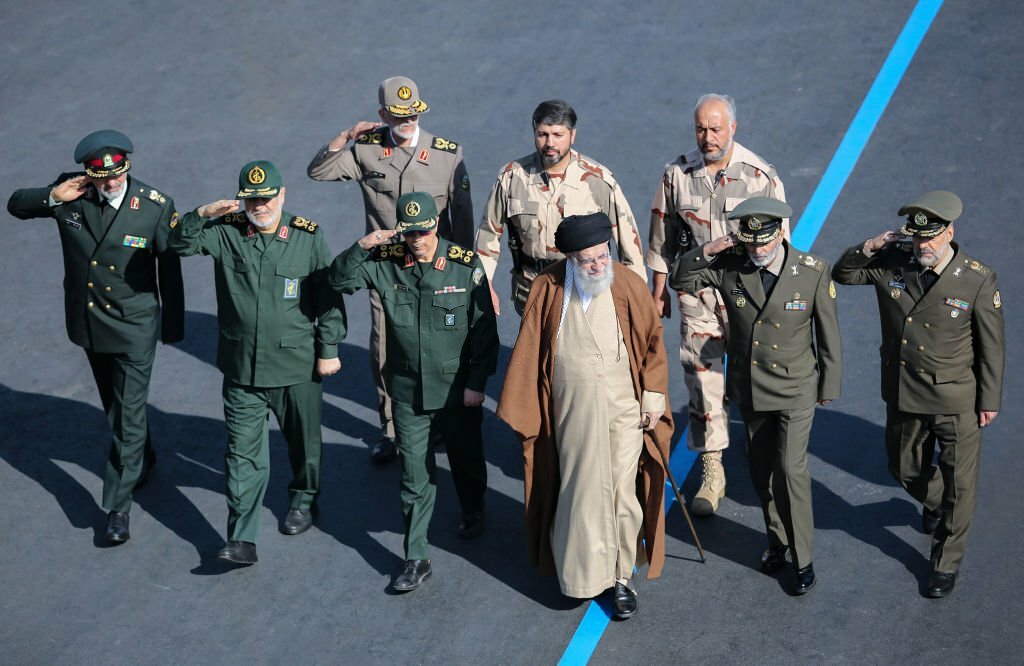
Its role has declined in recent years, and the Iranian citizen has become aware of this, according to a poll conducted by the official government news agency, in July of last year, where 68 percent of Iranians had a dissatisfaction with Parliament, and the majority was unable to name its president at the time.
In addition, the role of the “Council” is to demonstrate a state of consensus towards some opinions on important decisions, such as briefing representatives on major issues such as the status of the nuclear talks only without interfering in their course or determining their results.
This also coincides with the Leadership Assembly elections, where Iranians must vote for their representatives in the Leadership Assembly, a body that exercises very little influence on the lives of citizens. However, it is directly related to one basic process, which is the selection of a new supreme leader.
The “Leadership Experts Council” is charged, according to the constitution, with appointing the next supreme leader upon the death of the current leader, or dismissing a leader if he becomes unable to perform his duties. Given Khamenei’s advanced age (84 years), the “Leadership Experts Council,” elected at the beginning of next month, may be the Who is responsible for that and gives the required legitimacy to that choice.
Exclusion of veterans of the regime
Among the figures excluded to succeed Khamenei is former President Hassan Rouhani, who was seeking to remain a member of the Assembly of Experts, where he had been elected since 1999.
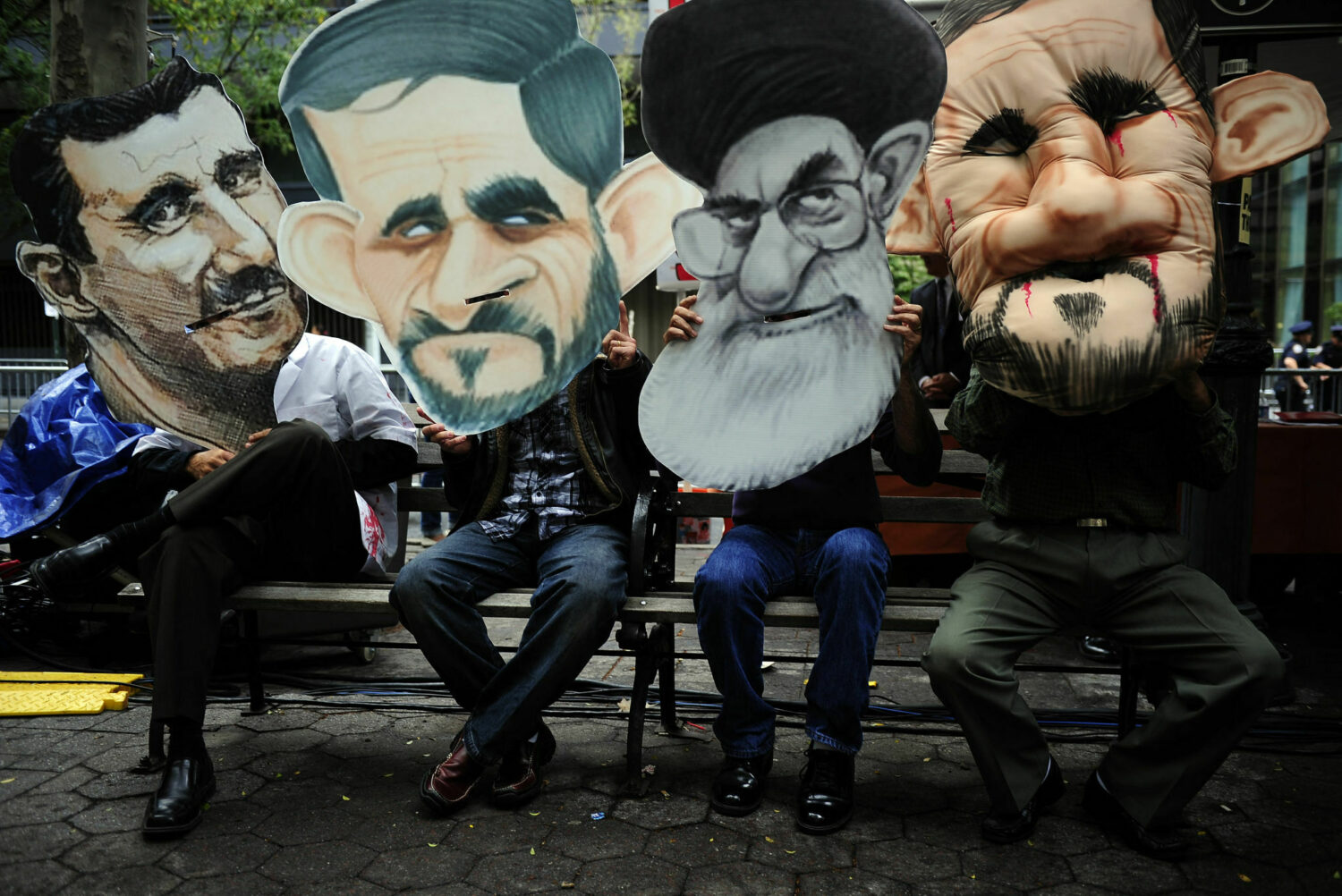
In this context, the Lebanese writer, Hassan Fahs, goes on to say that if it is known with certainty that Iran will witness in a few days the holding of two basic electoral elections, namely the Shura Council (Parliament) elections and the “Leadership Council of Experts” elections, then it is also known that these elections are taking place under… An atmosphere indicating a widespread boycott by the Iranian public.
In his statements to Al-Hal Net, Fahs added that the reasons for this boycott are affected by several overlapping and intertwined dimensions or drivers, the most important of which is the political factor and the state of separation occurring between the regime and Iranian public and political opinion, and the state of frustration caused by the regime’s policies and mechanisms in managing political life. .
At the second level, the economic factor is prominent in enhancing the state of aversion and non-participation, especially since this public opinion holds the regime and its political and economic administration responsible for the difficult conditions that Iran has reached, in terms of insisting on a policy of hostility with the international community and the ongoing economic sanctions that it has led to. In addition to the internal mismanagement of the economic aspect, which clearly emerged with the current executive authority headed by Ibrahim Raisi.
Hassan Fahs, a researcher on Iranian affairs, adds that the opposition political forces, which include a wide and diverse group of reformists and moderates and significant groups of moderate traditional conservative forces, view these elections as having turned into a state of “what is not necessary,” especially after the new mechanisms he introduced. New election law.
The new mechanisms give the Ministry of Interior the authority to exclude many candidates, before the names are transferred to the final filter carried out or carried out by the Guardian Council through a committee studying the eligibility and suitability of the candidates.
Therefore, these forces deal with the electoral process with great caution. On the one hand, they fear approving the procedures carried out by the Ministry of Interior and the liquidation carried out by the Guardian Council, and thus this will lead to them losing their remaining popular bases.
On the other hand, it fears any measures or repercussions that the regime’s institutions and political and security apparatuses may resort to if they announce or call for a boycott of the elections, especially since they still declare their belief in the electoral process and its ability to bring about political and social change, according to the same source.
A struggle between reformists and conservatives
The regime and the power system, or rather the deep state that runs the game from behind, has decided on its options to exclude and exclude all voices that are likely in the future to declare their opposition or not to adhere to the path determined and drawn by this system.
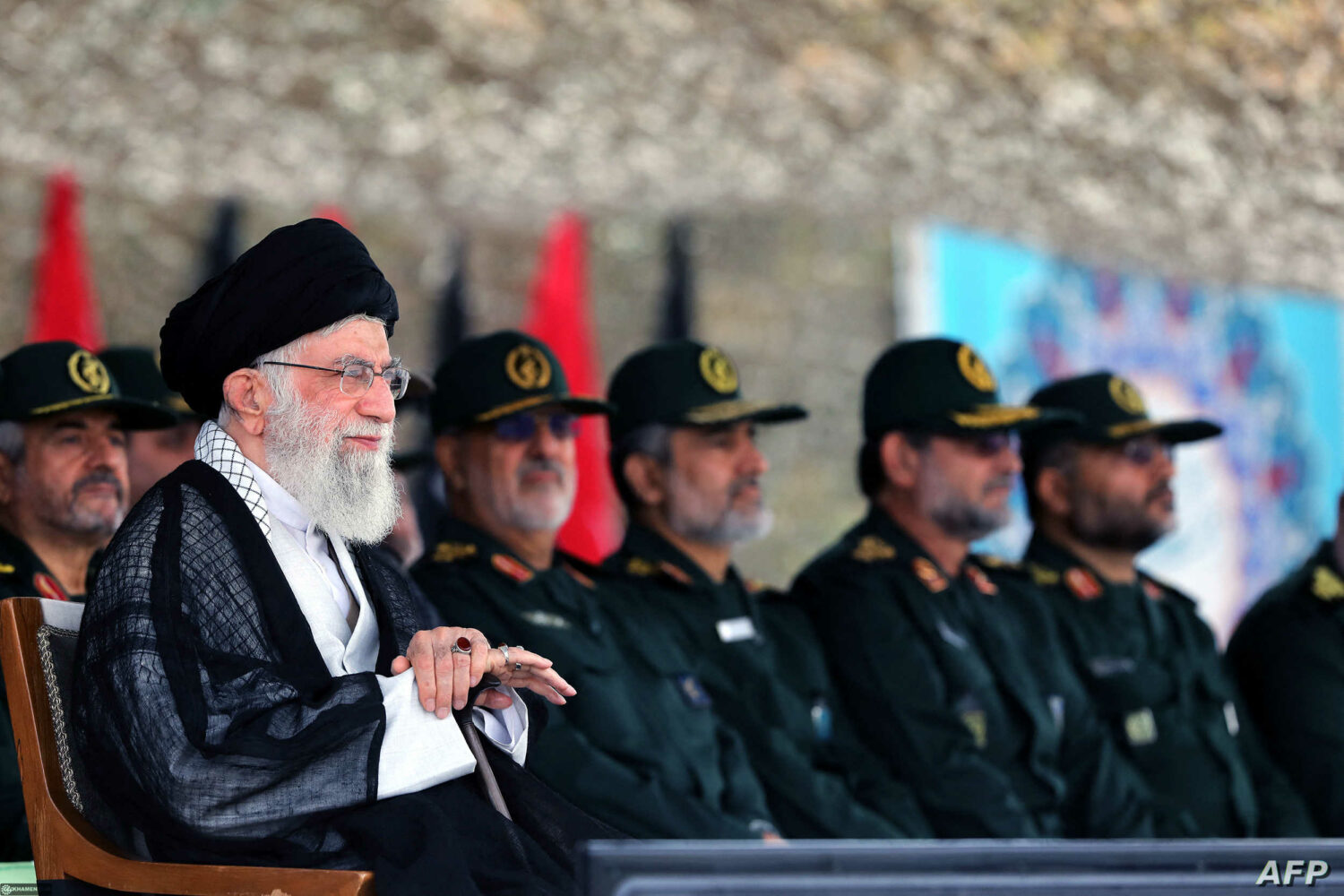
This means that it has decided on its options to liquidate the authority and all decision-making centers from different voices, or those that have different reformist or moderate discourses, even if this discourse is under the umbrella of the regime, the constitution, and the guardianship of the jurist.
This system believes that the next stage will be crucial in terms of determining the future of the regime and the authority, so it must end the process of liquidating the institutions in the state and all sites from all sources of danger in its simplest forms, in order to facilitate the path to consecrating and consolidating its vision and project in managing the regime and directing it in the direction that is consistent with the drawn up strategy. To power and enable the powers of the deep state.
Therefore, the electoral process, at the level of the mechanisms expected for the democratic process, will not produce change in the path that the regime has begun to complete its control and liquidate decision-making positions from any forces that are inconsistent with its orientations, especially since the mission that the regime and its deep state have set for these dual elections (parliamentary and leadership experts) is to It is supposed to be consistent with the efforts made to carry out a transfer of power from the current leader to his new successor.
Based on this mission, the deep state has raised, from the perspective of the source, the process of excluding candidates, even among the clerics nominated for the Leadership Council of Experts, such as former President Hassan Rouhani and the Minister of Intelligence in his government, Mahmoud Alavi, that is, excluding all figures who are likely to become a source of concern or confusion. On his plans to elect the new guide, especially since she did not want to leave any window for the smallest unexpected surprise.
Who will rule Iran after the elections?
In addition, the researcher on Iranian affairs, Hassan Fahs, concludes by denying any impact of these elections in all their forms on Iranian relations with the international community, or in influencing Iran’s regional policies. Because these policies are drawn and developed by the deep state and receive their legitimacy through the approval of the Supreme Leader, who is considered the first body to draw up these policies and strategies within his absolute powers.
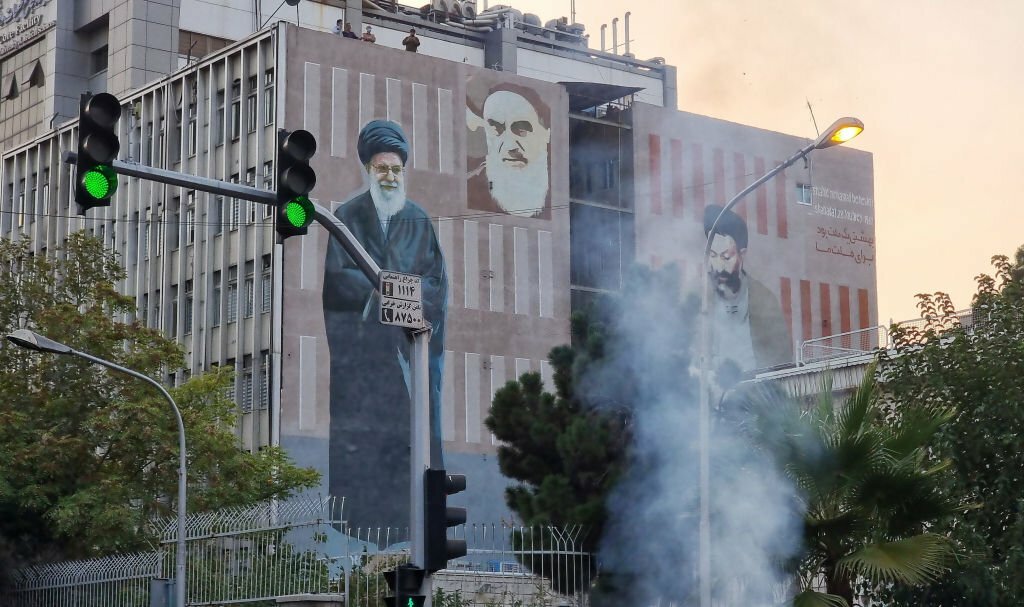
The Iranian “Revolutionary Guard” plays influential roles in the Iranian power structure, both through its political and security dimensions, in all its directions and in deciding the selection of the personalities and names that should participate in power, in addition to the direct consequences that result from this in choosing the names of the highest and most influential positions such as the position of The guide and its connection to the elections for the Assembly of Experts.
For her part, the researcher on Iranian affairs, Mona Silawi, confirms that the upcoming elections in Iran deliberately leaked the meaning and significance of the electoral entitlement, since the Assembly of Experts, as well as the delegates, are elected by the “leader”, as well as the elections for the council, or what is called in Iran “the Islamic Shura Council.” “.
In the context of her statements to Al-Hal Net, Silawi added that the elections are held among specific candidates who are chosen and then appointed by the Supreme Leader.
So we are dealing with a structural process between previously known figures, the records of which have been carefully scrutinized by the real authority.
The researcher on the Iranian issue concludes by saying that the perceptions of reality and its reality are based on the necessity and inevitability of understanding the shape and features of the nature of the Iranian regime after next March, except through the nature of the “Revolutionary Guard” in the structure of the deep state, as well as the dominance of the Supreme Leader.
Other than that, and speaking to the same source, it is not possible to expect any change to occur in the features and directions of Iranian foreign policy, whether in the Middle East region or interaction with international powers, against the backdrop of the upcoming results.