
اخبار ليبيا اليوم – وطن نيوز
اخر اخبار ليبيا- اخبار ليبيا الان
W6nnews.com ==== وطن === تاريخ النشر – 2026-06-03 02:56:00
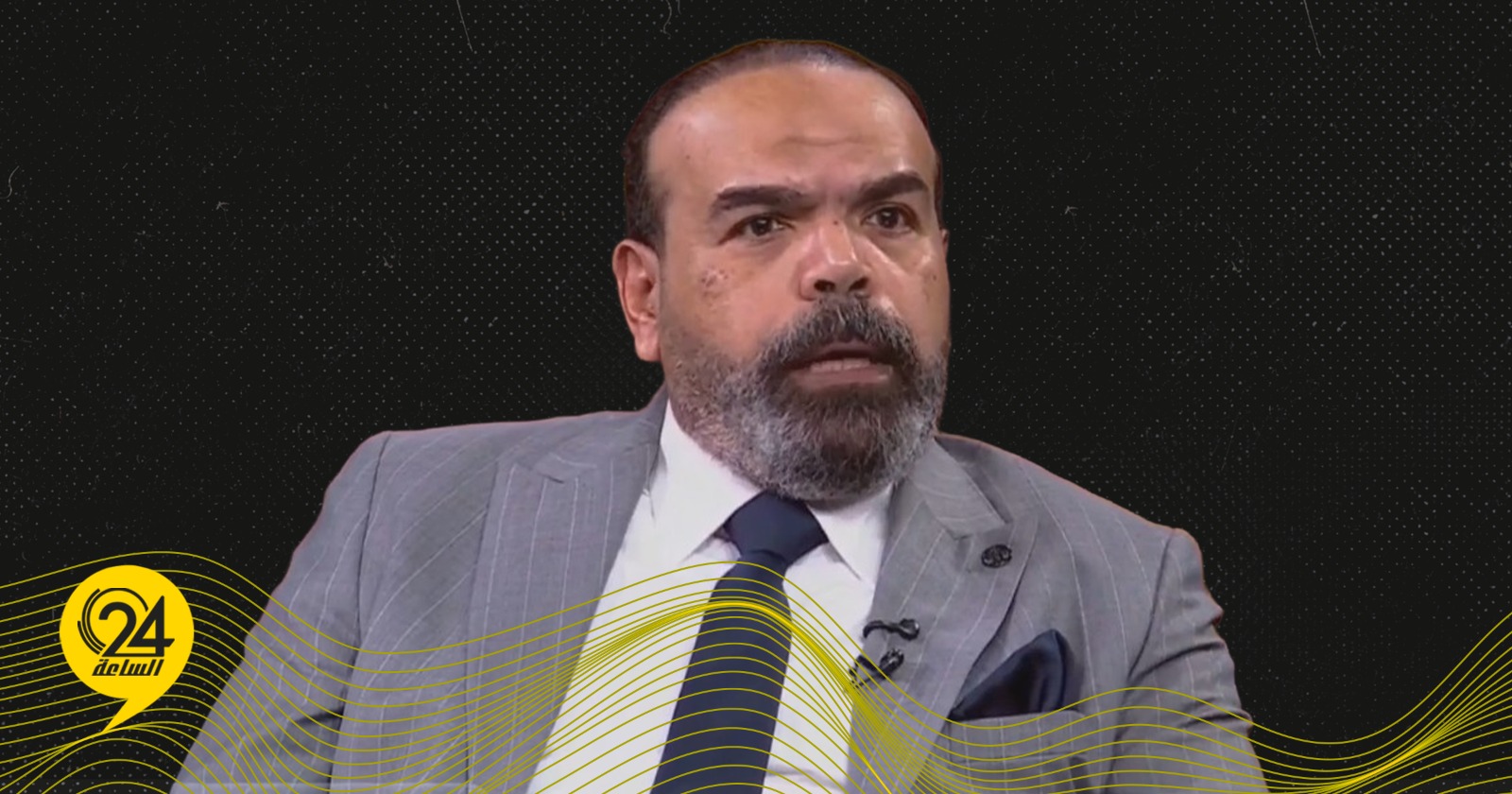
Political analyst, Ahmed Al-Aboud, confirmed that American efforts related to the Libyan file, particularly the American peace initiative, contributed to moving a number of political, economic, and security tracks that were facing a state of stagnation during the past period. Al-Aboud explained, in an interview on the “Libya Al-Ahrar” channel, that the evaluation of this initiative should be done by looking at the overall paths on which it is working, indicating that it includes the economic, military, security and political aspects, and considering that some of the criticism directed at it ignores the magnitude of the challenges facing the Libyan scene and its complexities. He added that the United States is working within the framework of a strategic repositioning in the region, and that its interest in the Libyan issue has become more clear in recent months, noting that the American moves have contributed, according to his estimation, to pushing some political tracks forward after a period of faltering. Al-Aboud believed that the momentum witnessed by some of the current political initiatives, including the upcoming “4+4” committee meetings in Tunisia, cannot be completely separated from the growing international and American movement towards the Libyan crisis, considering that this movement helped create a more appropriate climate for the resumption of dialogue between the various parties. Al-Aboud also cited the agreement announced under the auspices of the Central Bank regarding the budget and development framework, considering that simply reaching this agreement after years of division represents an important step towards unifying economic and financial institutions. He explained that the agreement included an understanding about the unified budget and mechanisms for distributing development allocations, noting that these steps represent a foundation upon which we can build in the coming stages. He pointed out that some economic measures and reforms have already begun – from his point of view – but the implementation of major agreements requires time and technical and administrative procedures before they are clearly reflected in the economic reality, stressing that the evaluation of any agreement should not be limited to its immediate results only, but rather it should also look at its ability to end institutional divisions and establish common frameworks for work between the different parties. Al-Aboud confirmed that the agreement was officially signed and announced by the competent authorities, and that work is currently focused on completing the mechanisms and executive procedures necessary to implement its provisions, considering that this stage represents a natural part of the process of implementing any broad institutional understandings. He stressed that the final judgment on the results of the American initiatives and the paths associated with them must be based on the practical steps that will result in the coming months, whether at the level of economic reforms or the ongoing political and security understandings between the Libyan parties. Al-Aboud said that talk about a broad political partnership between a number of Libyan parties does not conflict with the goal of reaching elections, but rather represents, from his point of view, a necessary step to create the necessary political and institutional conditions before going to any electoral entitlement. He added that the electoral laws prepared by the “6+6” committee tried to address this problem by linking elections with the formation of a unified executive authority that would supervise the transitional phase and lead the country towards electoral entitlement. In his response to the criticism directed at the Massad Boulos initiative, Al-Aboud refused to describe the initiative as non-existent or lacking in results, indicating that it is based on three parallel tracks that include the economic side, the security and military track, in addition to the political track. He considered that part of the current political movement, including the upcoming meetings in Tunisia, came in the context of the momentum provided by international and American movements during the last period, stressing that the state of impasse that the political process has reached has prompted the various parties to search for new approaches to the solution. Regarding the United Nations path, Al-Abboud believed that the United Nations mission could have built on the consensuses previously achieved between the House of Representatives and the state, especially with regard to electoral laws, instead of moving to new paths before exhausting opportunities to address the outstanding controversial points. Al-Aboud considered that returning to the idea of holding elections in the presence of two governments would return the crisis to its starting point, considering that any serious electoral project first requires the presence of a unified executive authority capable of managing the political process and ensuring the implementation of its results. Regarding the political contents of the Boulos initiative, Al-Aboud confirmed that the perceptions circulating about it talk about restructuring the executive authority, including amending the composition of the Presidential Council, and maintaining the presence of a unified government that includes components of the two currently incumbent governments, which contributes to ending the state of institutional division. He pointed out that the lack of full official details about the initiative is due, in his estimation, to the nature of diplomatic movements that rely on a degree of secrecy during the first stages of the negotiation, with the aim of providing greater opportunities for consensus between the various parties before announcing the final results. He stated that the initiative is still in the process of construction and consultation, and that what is being discussed represents political perceptions and discussions rather than a final official announcement, stressing that its political outcomes have not been fully announced yet. Al-Aboud believed that opportunities for progress on this path still exist, expecting clearer features to crystallize in the coming months in light of continued international efforts aimed at ending the state of political and institutional division in Libya. He stressed that the Libyan crisis has reached a stage where the continuation of the status quo is no longer a comfortable option for all parties, which makes the search for a new political settlement a matter strongly on the agenda of local and international actors during the coming period. He said that the talk about the upcoming Tunisia meeting within the “4+4” format comes in the context of a natural development of the ongoing political paths in Libya, noting that the current discussions reflect a trend towards a real political partnership between the actors, rather than being limited to presenting specific figures as was the case in the past. Al-Aboud added that any serious talk about holding legislative and presidential elections in Libya cannot take place in the presence of two parallel governments, stressing that the electoral process necessarily requires the presence of a unified government as an organizational and administrative framework to ensure the correct implementation of the electoral entitlement. He pointed out that previous attempts within the political track, including what was issued by the House of Representatives, aimed to address the problem of the absence of a unified government as a basic condition for moving to elections, but the continued institutional division has made this goal incomplete so far. Regarding international initiatives, Al-Abboud considered that what is known as the Massad Boulos Initiative is being worked on through three main tracks: economic and financial, military and security, and political. He explained that the economic track was linked to reforms in the Central Bank and cooperation with international financial institutions, while the military track focused on committees specialized in the border and security file, while the political track dealt with restructuring the executive authority and discussing new transitional arrangements. He stressed that the economic agreements, most notably those related to unifying monetary policy and approving a unified budget, have already been signed, but their implementation is still in the stage of searching for implementation mechanisms, indicating that the absence of clear executive data so far reflects that these understandings have not yet reached the stage of full implementation. On the other hand, Al-Aboud stressed that the discussion about political partnership should not be understood only as a formula for sharing power, but rather as a transitional stage aimed at unifying institutions and creating a stable political environment that could later lead to comprehensive elections. He added that the proposal to expand the circle of political actors through the integration of multiple parties reflects an attempt to address the existing political impasse, in light of the faltering traditional paths to a solution, whether international or local. According to Al-Aboud, the ongoing tracks, including the Tunis meeting, cannot be separated from the international and regional movement supporting the rearrangement of the Libyan political scene, indicating that the success of these efforts remains dependent on their ability to move from general understandings to clear and binding implementation steps for all parties. He said that the ongoing debate about what is known as the “true political partnership” proposed within international initiatives raises legitimate fears that it will turn into a formula for sharing power and remaining in power instead of a transitional phase leading to comprehensive elections. He explained that ensuring that this partnership turns into an actual electoral process is not based on one factor, but rather is based on three main levels of guarantees. He continued: The first guarantee is the American momentum and international involvement in the political track, considering that this factor may constitute a pressure umbrella and a relative guarantee to guide the process towards elections, compared to the UN mission, which he described as weak, fragile, and unable to impose the implementation of agreements. He added that previous experiences, such as the Skhirat Agreement, showed, in his words, the absence of effective mechanisms to ensure adherence to time periods and political commitments, as some governments continued for periods much longer than the periods specified in the original agreements. The second guarantee, according to Al-Aboud, is represented by the role of the UN mission through what he described as “collective support” from members of the Security Council, noting that the effectiveness of this role remains limited in the absence of direct implementation tools. He stressed that the third and most important guarantee is represented by the Libyan parties themselves, through their actual commitment to the principle of peaceful transfer of power and protecting the path of political and institutional unification, noting that the Libyan political reality showed during previous stages a decline in commitment to this principle, whether after the 2012 elections or during subsequent dialogue paths. Al-Aboud considered that the Libyan experience over the past years did not show strong indications of a firm commitment to the principle of peaceful transfer of power, noting that the results of previous electoral elections were often followed by political division and institutional conflicts. He continued: The outcomes of some political dialogues, including international frameworks, were not binding enough to guarantee long-term political stability or prevent the reproduction of division. Al-Aboud stressed that the absence of real and binding guarantees at the international and local levels makes it difficult to assert that the political partnership currently proposed will necessarily lead to elections, warning of the possibility of it turning into a permanent formula for managing power and sharing influence instead of ending the transitional phase. He said that evaluating the success of the “4+4” path related to the political dialogue in Tunisia cannot be based on the announcement or expectations, but rather through the actual outcomes and implementation on the ground, stressing that real achievement can only be measured by what is actually achieved and not by what is announced. Al-Aboud explained that talking about the success of any political path in Libya must be based on tangible results, citing the work of the “6+6” committee that produced specific outcomes, explaining that if similar results are not achieved, then talking about the success of any committee remains inaccurate. He added that the process of completing the High Electoral Commission is a clear example of the existing challenges, pointing out that the real disagreement does not relate to the members of the Commission, but rather focuses mainly on the position of president, while each party nominates three members according to previous agreements. Al-Aboud explained that this arrangement, despite the initial understandings, has not yet been reflected in practical reality, and has not achieved any fundamental change in the conduct of the electoral process, which makes describing it as an achievement subject to debate, as he put it. Questioning the feasibility of considering this progress as an achievement in light of the failure to complete the institutional structure of the Commission, the failure to resolve its presidency file, and the failure to issue any final executive decisions from the relevant judicial authorities. Al-Aboud pointed out that the legal and regulatory problem still exists, especially with regard to the mechanisms for nominating and selecting the President of the Commission through the judicial authority, in light of what he described as complications related to the law, regulations, and work mechanisms of the Supreme Judicial Council. Al-Aboud stressed that the existing problem is that the Commission’s presidency file remains suspended without a resolution, which makes any description of the process as “successful” or “complete” inaccurate, according to him. Al-Aboud concluded by pointing out that what is currently happening can be described as a state of “wait and see,” as judgment on these paths remains dependent on the final outcomes and not on introductions or partial agreements, stressing that any political or electoral achievement will remain “as an unknown” unless it turns into clear and binding executive steps.