
اخبار ليبيا اليوم – وطن نيوز
اخر اخبار ليبيا- اخبار ليبيا الان
W6nnews.com ==== وطن === تاريخ النشر – 2026-06-22 21:10:00
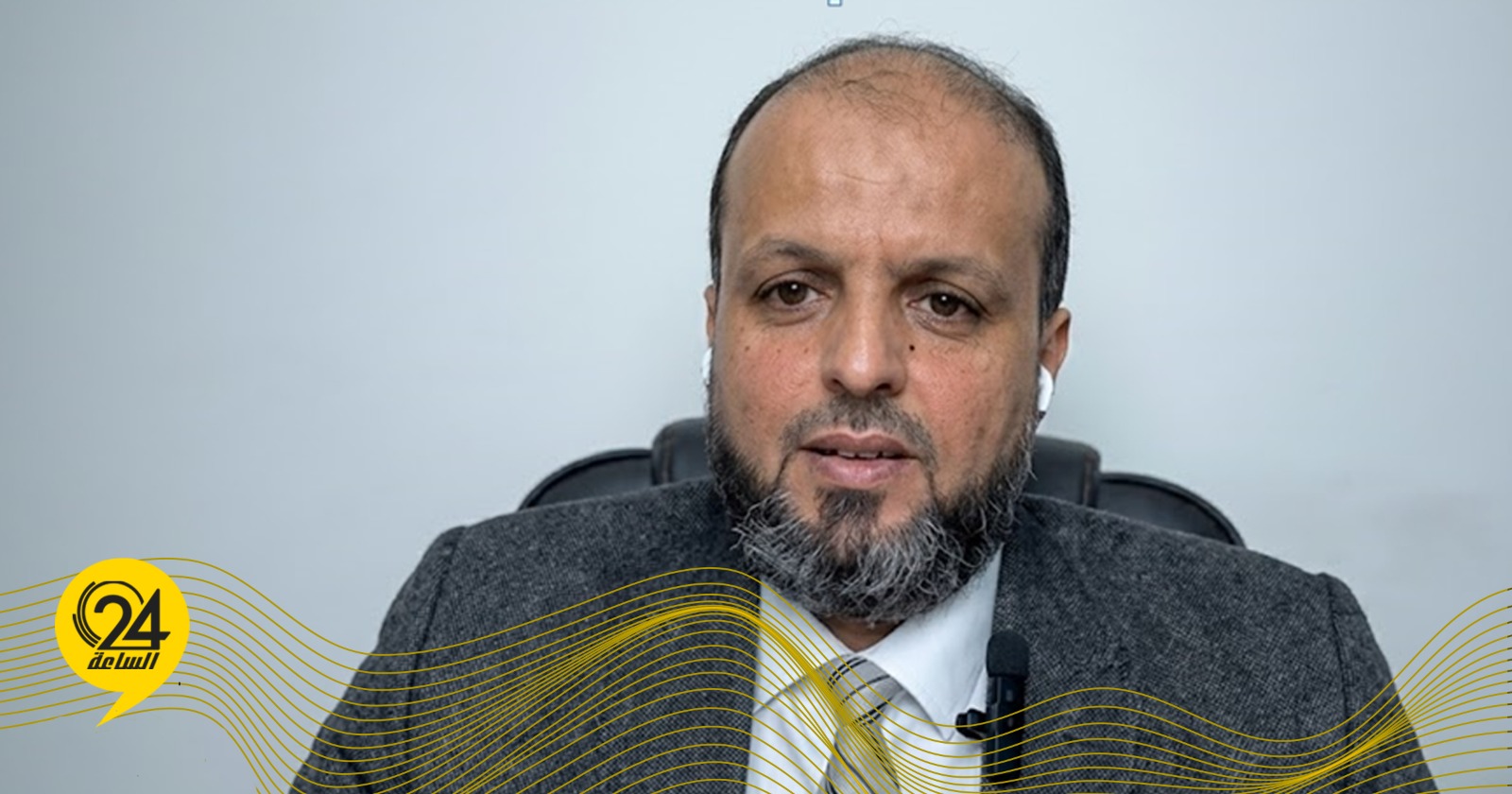
Political analyst, Omar Boussaida, said that the Libyan political scene is currently witnessing fundamental transformations that differ greatly from previous stages, explaining that what is happening today cannot be considered merely passing political movements or rounds that end with the issuance of statements and an attempt to address the crisis within the traditional frameworks that prevailed over the past years, but rather reflects the country’s transition to a new stage that is moving towards redrawing the map of political actors and influential forces on the ground. Bou Saida explained, in statements on the “Libya Al Hadath” channel, that the current indicators indicate the presence of a clear movement based on a specific agenda and declared goals, pointing out that the extent of the existing political momentum, in addition to the multiplicity of statements and rapid movements, confirms that Libya has already entered the stage of negotiating resolution after long years of political stagnation imposed by political bodies that remained entrenched in the scene without making room for real solutions or a radical treatment of the causes of the crisis. He pointed out that the recent political movements, including the tours led by General Saddam Haftar and his movement between a number of European capitals influential in the Libyan file, represent important indicators that there is a new path taking shape towards reaching a realistic political settlement based on the active forces on the ground. He added that what is happening today is different from all previous initiatives, because the current movements are moving in one direction, which is to produce a political process based on the field reality and the active elements directly, which gives strong indications that the country is moving towards an actual solution to the political crisis away from the complexities and details that some parties have used during the past years to obstruct solutions and prolong the duration of the crisis. Bou Saida also explained that previous experiences were based on movement between different capitals and managing the file from the outside without giving sufficient attention to the internal reality or the forces influencing the ground, while the situation today is clearly different in terms of the nature of the political approach and the mechanisms for dealing with the crisis. Regarding the increasing international interest in the Libyan file, Boussaida stressed that the view on Libya has witnessed a major shift during the recent period. Whereas the Libyan file was often presented as a security or humanitarian file, today it is viewed as a very important political and strategic file within the equations of the Mediterranean and North Africa. He added that Libya has become a major gateway to deep Africa, which gives it increasing importance in regional and international accounts, especially for European countries searching for safe and stable sources of energy in light of the rapid developments taking place in the Middle East region. In the same context, Boussaida pointed out that the increasing state of political activity in Libya aroused the interest of the United States of America, which now sees the need for a strong presence in the Libyan file during the current stage, explaining that these data contributed to changing the order of international priorities, as the Libyan political file moved from the back ranks to the forefront of concerns among influential countries. He believed that the Libyan political file is no longer a postponed topic or present in diplomatic drawers, but rather has become strongly present on the table of all active countries, especially after the emergence of the new American strategy towards Libya. He added that what distinguishes the current stage is the emergence of an unprecedented consensus between the main American institutions regarding the Libyan file, which reflects the presence of a real will to push the political process towards a solution in light of a growing awareness of the importance of Libya’s strategic location and its role in regional and international balances. Bou Saida pointed out that Libya has become an arena of competition between international and regional powers, all of which are seeking to strengthen their presence and secure a foothold within the country, considering that what is currently taking place represents an attempt to resolve this competition and ensure that the upcoming political arrangements are consistent with the interests of these various parties. Regarding the American initiative led by the American envoy to Libya, Massad Boulos, Bou Saida explained that Libya has witnessed many political initiatives over the past years, but most of them suffered from fundamental problems, whether due to their bias towards some parties or as a result of their reliance on political bodies that lack the real will to make decisions. He believed that the strength of the current American initiative lies in three main elements, the first of which is the presence of a direct and clear American political will, which is evident in the official movements of the American administration and the level of support that the initiative enjoys. Bou Saida stressed that what is currently being proposed is not just a personal initiative led by Massad Boulos, but rather is part of an integrated American vision for peace and stability in Libya that is also linked to the Libyan Stability Law and a broader American approach to the African continent starting from the Libyan portal. He also explained that the initiative has direct support from various American state institutions, including the White House, the State Department, and the US Department of Defense, noting that this is the first time that the three American institutions have agreed on a common vision towards Libya. He added that the US State Department views the importance of achieving political stability in the region, while the Pentagon focuses on the security and strategic challenges related to the Libyan file, while the US administration deals from an economic and pragmatic perspective related to energy investments and major oil companies and their future interests. Bou Saida stated that the second element that gives the initiative additional strength is the economic pressure tools related to the oil and investment file, while the third element is the level of coordination existing between the United States and regional and European countries, which gives the initiative greater ability to influence and pressure and limits the opportunities for political maneuvering or disrupting solution paths. Speaking about the active forces inside Libya, Bou Saida stressed that citizens are legitimately wondering about the criteria that make any political initiative the best option or most capable of representing their aspirations, explaining that citizens are looking for parties that possess the legitimacy, capabilities, and actual ability to achieve on the ground, and not just slogans or promises. According to Bou Saida, the entity that represents these capabilities is the General Command and the military institution that has led a true national project over the past years, adding that what distinguishes this active force on the ground is that it did not limit itself to making promises, but rather implemented many projects and achievements before talking about them, which makes the owners of this project the owners of a real vision, and therefore their support for any political initiative gives it additional momentum. He pointed out that the General Command’s support for the initiative came in a pragmatic manner without making concessions that affected national constants, stressing that its position was based on solid and stable ground. He also saw that the initiative was not the result of a move on the part of these parties, but rather the initiative itself was what came to them as a result of the presence and influence they possess on the ground. On the other hand, Bou Saida pointed out that the General Command succeeded in providing a model at the international level by creating real balances with a number of influential countries, considering that the continued presence in major international forums and the existing relationships and understandings with actors on the international scene enhanced the chances of the initiative’s success and gave it additional political weight. He also considered that the tours and visits made by the Deputy Commander-in-Chief during the last period, up to the recent movements, in turn constituted real motives for supporting this initiative. On the other hand, Bou Saida touched on the position of other internal parties, specifically the House of Representatives, the High Council of State, and the Presidential Council, considering that these parties are facing a direct confrontation with the existing political reality. He added that the step taken by these institutions is nothing more than a belated attempt to reposition itself within the Libyan political scene after it was too late, wondering about the reasons for presenting their initiative at this time despite its presence on the political scene for many years. He continued that these political bodies did not succeed during the past years in bringing the Libyan issue to decision-making centers and major capitals in the required manner, nor were they able to impose practical and clear measures on the ground, considering that the scene was characterized during the past period by political wrangling, conflicts, prolonging the crisis, and seeking to extend periods of stay in power. Bou Saida also pointed out that some parties benefiting from the current situation possess interests, influence, and advantages linked to the continuation of the current political scene, which makes giving up these gains difficult for them, considering that the statement issued by these institutions reflects the continuation of the policy of extension and betting on unrealistic dates. In this context, Boussaida wondered about the extent of the ability of these political bodies, in the absence of real effectiveness on the ground, to reach elections within the dates being discussed, considering that achieving this seems extremely difficult, and that some of the proposals put forward in this regard are close to being mere unverifiable expectations. He also saw that the timing of the initiative came too late, which makes him question its political feasibility, noting that its announcement coincided with the holding of a session of the UN Security Council, where the majority of Council members expressed support for the UN-led path, even if there were disagreements about some of its outcomes. Bou Saida considered that this international position reflects the lack of broad support for the proposed initiative, adding that the discussions that took place during the closed sessions witnessed, according to him, a state of reservation and resentment towards the tripartite statement and its timing. In a related context, Bou Saida stressed that the Libyan people are closely following the current political scene, and today they can distinguish between the parties capable of leading the country towards stability and security and the parties that have deepened the crises and plunged the country into a cycle of suffering, poverty, destitution, and the decline of basic services. He explained that the Libyan citizen has become preoccupied on a daily basis with securing his basic needs, starting with obtaining cash and cooking gas, through electricity files and public services, all the way to various issues that directly affect his daily life. On the other hand, Bou Saida pointed out the existence of an entity that, according to his description, was able to achieve important achievements on the ground, most notably the elimination of terrorism and the creation of appropriate conditions for security and stability. He added that the Libyan citizen previously did not feel safe while moving between cities or even within his daily surroundings, but the security situation witnessed a noticeable improvement thanks to the efforts of the armed forces and the sacrifices of its members, stressing that the state of security, stability and discipline that the country is witnessing has become a tangible reality and represented an important turning point for the state with all the positives it brings. He also explained that Libya has moved from the stage of confronting terrorism and establishing security to the stage of launching the wheel of reconstruction and development, as the citizen began to see the results of this stage through major road projects and strategic projects that are expected to reflect positively on his life and economic future. Bou Saida stressed that these achievements were the result of clear initiatives and concrete projects, considering that it is natural for the body leading these efforts to enjoy the support of citizens, especially in light of the support that the General Command enjoys from its leaders and supporters. He pointed out that the scene has become clear to public opinion, explaining that there are political bodies that have not been able to achieve tangible progress in the political, economic and social files, while the military institution has succeeded, as he put it, in saving the citizen from difficult circumstances and giving the Libyans a glimmer of hope that represents the light at the end of the tunnel. He added that citizens see in this institution a real opportunity to move from a state of faltering and crises to a stage of success and stability and to get out of the bottleneck, which explains the increasing amount of popular support for it in various regions. He also explained that this support is no longer limited to individuals, but rather is expressed through statements and positions issued by a number of municipalities in Cyrenaica and Fezzan, in addition to supportive positions from tribal sheikhs, expecting the issuance of more supportive statements during the coming period. Bou Saida considered that these indicators clearly reflect the position of the Libyan street, which has become aware of the parties capable of achieving achievement and removing the country from its accumulated crises, stressing that Libya has reached a pivotal and decisive stage and is close to putting the final touches to move to a new stage that may represent the real way out of the current crisis. When speaking about the timing of reaching a solution to the Libyan political crisis, Bou Saida stressed that the real indicator is to address the roots of the crisis and not just deal with its results. Explaining that reaching the stage of addressing the real causes of the political crisis will be tantamount to declaring that Libya has entered the path to a solution, noting that the steps and initiatives currently taking place represent an important beginning in this direction. He explained that the roots of the Libyan crisis lie primarily in the state of division that the country has suffered over the past years, considering that unifying institutions represents one of the most important keys to the solution. In this context, Boussaida pointed out that the progress made in unifying the general budget for the first time in more than thirteen years is one of the most prominent steps to address the roots of the crisis. Stressing the importance of unifying the executive authority and ending the state of having two parallel governments and the resulting depletion of resources and complexity of the political scene, he explained that the discussions and consultations currently taking place regarding the formation of a new executive body represent an essential part of the solution process. He added that the third factor is the adoption of effective and enforceable electoral laws that allow for the end of successive transitional stages and the transition to a permanent and stable stage based on electoral legitimacy, noting that the ongoing meetings and discussions focus largely on this file, and he expects that the next stage will witness more work to reach final consensuses on it. Bou Saida concluded by emphasizing that the amount of international and regional coordination currently underway is directed towards finding a real solution to the Libyan crisis, considering that the existing political, international and internal factors give the American initiative greater momentum compared to previous initiatives. He also stressed that the most important stage after the formation of a unified executive body, whether it is a unified government, a presidential council, or an interim head of state, is the transition to the elections station, as it is the basic step that will move Libya from the transitional situation to the stage of permanent stability and building state institutions on legitimate and stable foundations.