

اخبار السعودية – وطن نيوز
عاجل اخبار السعودية – اخبار اليوم السعودية
W6nnews.com ==== وطن === تاريخ النشر – 2024-02-17 23:10:53
https://sputnikarabic.ae/20240217/What-it-means-the-court-of-justice-refusal-to-take-additional-measures-against-Israel-about-rafah-1086176562.html
What does the Court of Justice’s refusal to take additional measures against Israel regarding Rafah mean?
What does the Court of Justice’s refusal to take additional measures against Israel regarding Rafah mean?
Observers considered that the court’s decision regarding South Africa’s urgent request regarding Rafah does not constitute a rejection of the request, but rather refers it to the measures it had previously issued. 02/17/2024, Sputnik Arabic
2024-02-17T20:10+0000
2024-02-17T20:10+0000
2024-02-17T20:10+0000
Sputnik reports
Israel
Israel news today
Exclusive
Gaza
Gaza strip
The Israeli aggression on Gaza
Palestine News Today
https://cdn1.img.sputnikarabic.ae/img/07e8/02/10/1086125191_0:0:1920:1080_1920x0_80_0_0_4ef43d0843ad6eaa6b6019eea6747608.jpg
Observers stressed that this step means “placing Rafah under the measures that were issued regarding Israel not committing genocide crimes, including the city of Rafah.” The International Court of Justice ruled yesterday, Friday, that Israel’s plans to attack Rafah do not require additional interim measures against Israel. South Africa had previously requested it. The court stated in a statement that “the recent developments in the Gaza Strip, and in Rafah in particular, would significantly increase what is already considered a humanitarian nightmare with untold regional consequences.” The statement added: “This situation This serious threat requires the immediate and effective implementation of the temporary measures ordered by the Court in its order dated January 26, 2024, which apply to the entire territory of the Gaza Strip, including Rafah, and do not require reference to additional temporary measures. The Court affirmed that “the State of Israel It remains obligated to fully comply with its obligations under the Convention on the Prevention of Genocide and the aforementioned order, including ensuring the safety and security of the Palestinians in the Gaza Strip.” Hamada Abu Najma, a Jordanian international law expert, considered that the decision issued by the International Court of Justice confirms the importance of what he referred to. South Africa requested that the dangerous situation requires the immediate and effective implementation of the temporary measures ordered by the Court in its decision issued on January 26, 2024, which required Israel to do what is necessary to prevent death, destruction, and any acts of genocide in Gaza and to allow the entry of humanitarian aid. According to his speech to “Sputnik” Thus, the statement reaffirmed that Israel is obligated to fully comply with its obligations under the Genocide Convention, including ensuring the safety and security of the Palestinians in the Gaza Strip, and thus the security of the residents of Rafah. He went on to say: “The new resolution indicated that the State of Israel is still required to fulfill its obligations.” Under the Genocide Convention and its application, especially by ensuring the security of the Palestinians in the Gaza Strip, according to the court, this means that Rafah falls under the umbrella of the court’s decision issued in January, considering it an inherent part of the Gaza Strip. He stressed that the court believes that “this matter does not require a ruling.” New, and that the matter does not require referring to additional temporary measures, but rather requires immediate and effective implementation by the occupying state of the temporary measures decided in the previous decision. He believes that the court’s decision in the form in which it was issued cannot be considered a rejection of South Africa’s request, but rather an acknowledgment of the seriousness of the situation. In the city of Rafah, in confirmation of its previous decision, and in clarification that Israel is obligated to protect civilians and not to commit any practices of killing and destruction against them. He explained that “the court clearly stated in the decision what indicates the obligation of the occupation to refrain from these practices that may lead to its conviction for genocide.” “The collective”, when it warned in the resolution that “the recent developments in the Gaza Strip, especially in Rafah, will dramatically increase what is already a humanitarian nightmare with countless regional repercussions.” Previous measures: In turn, Dr. Mukhtar Ghobashi, Vice President of the Arab Center for Political and Strategic Studies, considered that “The International Court of Justice did not reject South Africa’s request regarding the city of Rafah, but it referred it to the measures it launched in its previous ruling, which obligates Israel not to commit more crimes of genocide and to hold accountable those who commit these crimes.” According to his talk to “Sputnik,” “the expedited request What was requested by South Africa and submitted to the Court of Justice was intended indirectly to stop Israel’s targeting of the city of Rafah, considering it a crime of genocide that Israel may commit, while the court responded that the measures it had taken in the past prevent Israel from doing so, and it also holds those who commit these crimes accountable. He went on to say: “The court believes that any other matter is merely a matter of fact, but it would have been better for the court to oblige Israel to cease fire, especially since Israel did not pay any attention or attention to these measures.” He stressed that the crisis related to Israel is “that it An illegitimate state that is above the rules of international law, and the mechanisms for dealing with it require special craftsmanship, especially since Israel is for the first time being tried before the Court of Justice and the force of international law.” It is believed that the court saw that South Africa’s request regarding Rafah is merely a mere conclusion, and that the measures it issued deter Israel if It was responding to this matter, but the crisis was dealing with Israel and not any other country. The request submitted by South Africa indicated that the South African authorities were deeply concerned that “the unprecedented military attack on Rafah, as announced by the State of Israel, may lead to further Of killing, harm and destruction on a large scale.” Earlier, the International Court of Justice in The Hague stated that it had received, on February 12, an urgent request from South Africa to take additional measures against Israel regarding its plans to expand its military operation to include the city of Rafah in the southern Strip. Gaza. In late January, the International Court of Justice issued its ruling on taking interim measures in the case submitted by South Africa against Israel, regarding the commission of genocide in the Gaza Strip. The court ordered Israel to take urgent measures to prevent acts of genocide and ensure the flow of aid. humanitarian aid to the Strip. Meanwhile, the International Court of Justice did not order an immediate ceasefire in Gaza.
https://sputnikarabic.ae/20240209/Turkey-makes-a-statement-before-the-international-court-of-justice-regarding-the-israel-issue-1085928219.html
https://sputnikarabic.ae/20240216/International-Court-of-Justice-the-situation-around-Rafah-does-not-require-additional-measures-against-Israel-1086152729.html
https://sputnikarabic.ae/20240217/Netanyahu-everyone-demands-us-not-to-launch-an-operation-in-rafah-is-demanding-us-to-lose-the-war–1086174828.html
Israel
Gaza
Gaza strip
2024
News
ar_EG
Sputnik reports, Israel, Israel news today, exclusive, Gaza, Gaza Strip, Israeli aggression on Gaza, Palestine news today
Sputnik reports, Israel, Israel news today, exclusive, Gaza, Gaza Strip, Israeli aggression on Gaza, Palestine news today
Exclusive
Observers considered that the court’s decision regarding South Africa’s urgent request regarding Rafah does not constitute a rejection of the request, but rather refers it to the measures it had previously issued.
Observers stressed that this step means “placing Rafah under the measures that were issued regarding Israel not committing crimes of genocide, including the city of Rafah.”
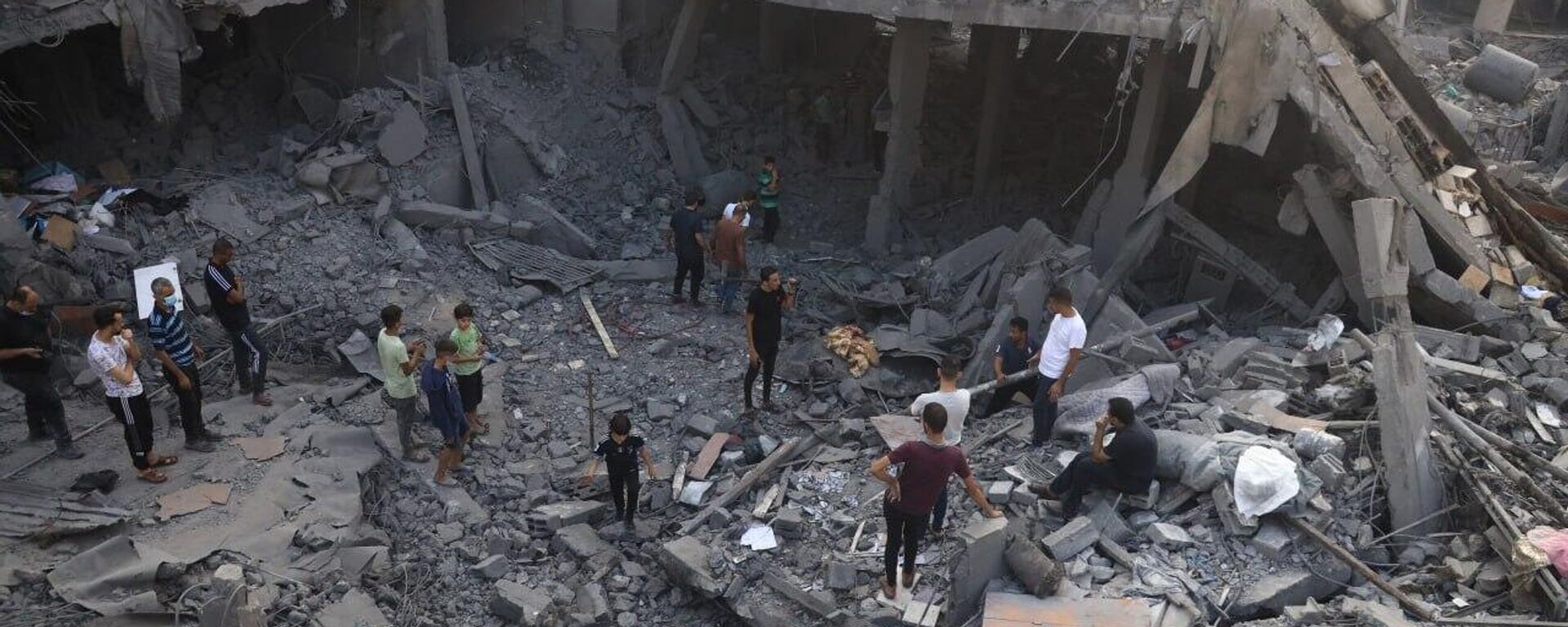
The court stated in a statement that “the recent developments in the Gaza Strip, and in Rafah in particular, would significantly increase what is already considered a humanitarian nightmare with untold regional consequences.”
February 9, 21:07 GMT
The statement added: “This dangerous situation requires the immediate and effective implementation of the temporary measures ordered by the court in its order dated January 26, 2024, which apply to the entire territory of the Gaza Strip, including Rafah, and do not require reference to additional temporary measures.”
The court affirmed that “the State of Israel remains obligated to fully comply with its obligations under the Convention on the Prevention of Genocide and the aforementioned order, including ensuring the safety and security of the Palestinians in the Gaza Strip.”
Hamada Abu Najma, a Jordanian international law expert, considered that the decision issued by the International Court of Justice confirms the importance of what was indicated by South Africa’s request that the dangerous situation requires the immediate and effective implementation of the temporary measures ordered by the Court in its decision issued on January 26, 2024, which obligated Israel Do what is necessary to prevent death, destruction and any acts of genocide in Gaza and allow the entry of humanitarian aid.
According to his statement to Sputnik, the statement reaffirmed that Israel is obligated to fully comply with its obligations under the Genocide Convention, including ensuring the safety and security of the Palestinians in the Gaza Strip, and thus the security of the residents of Rafah.
He went on to say: “The new decision indicated that the State of Israel is still required to fulfill its obligations under the Genocide Convention and to implement it, especially by ensuring the security of the Palestinians in the Gaza Strip. According to the court, this means that Rafah falls under the umbrella of the court’s decision issued in January, as it is an integral part of it.” From the Gaza Strip.”
He stressed that the court believes that “this matter does not require a new ruling, and that the matter does not require reference to additional temporary measures, but rather requires immediate and effective implementation by the occupying state of the temporary measures decided in the previous decision.”
He believes that the court’s decision, as it was issued, cannot be considered a rejection of South Africa’s request, but rather an acknowledgment of the seriousness of the situation in the city of Rafah, a confirmation of its previous decision, and a clarification from it that Israel is obligated to protect civilians and not commit any killing and destruction against them.”
He explained that “the court clearly stated in the decision what indicates the obligation of the occupation to refrain from these practices that may lead to its conviction for genocide,” when it warned in the decision that “the recent developments in the Gaza Strip, especially in Rafah, will dramatically increase what is already “A humanitarian nightmare with incalculable regional repercussions.”
According to his talk to “Sputnik,” “The expedited request requested by South Africa and submitted to the Court of Justice was intended indirectly to stop Israel’s targeting of the city of Rafah, considering it a crime of genocide that Israel may commit, while the court responded that the measures it had taken in the past prevent Israel from By doing so, it also holds those who commit these crimes accountable.”
He went on to say: “The court believes that any other matter is merely a matter of fact, but it would have been better for the court to oblige Israel to cease fire, especially since Israel did not pay any attention or attention to these measures.”
He stressed that the crisis related to Israel is that “it is an illegitimate state and above the rules of international law, and the mechanisms for dealing with it require special craftsmanship, especially since Israel is being tried for the first time before the Court of Justice and the force of international law.”
The request submitted by South Africa indicated that the South African authorities are deeply concerned that “the unprecedented military attack on Rafah, as announced by the State of Israel, may lead to further killing, harm and destruction on a large scale.”
Earlier, the International Court of Justice in The Hague stated that, on February 12, it received an urgent request from South Africa to take additional measures against Israel regarding its plans to expand its military operation to include the city of Rafah in the southern Gaza Strip.
In late January, the International Court of Justice issued its ruling on provisional measures in the case brought by South Africa against Israel, regarding the commission of genocide in the Gaza Strip.
The court ordered Israel to take urgent measures to prevent acts of genocide and ensure the flow of humanitarian aid to the Strip. At the same time, the International Court of Justice did not order an immediate ceasefire in Gaza.