
اخبار سلطنة عُمان – وطن نيوز
اخر اخبار سلطنة عُمان اليوم – اخبار سلطنة عُمان العاجلة
W6nnews.com ==== وطن === تاريخ النشر – 2026-02-07 18:42:00
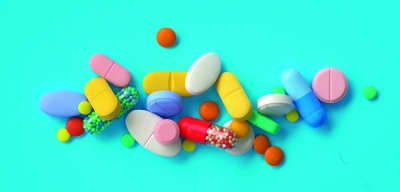
The corners stacked with medicines in our homes are a symbol of hope for recovery, but this hope often turns over time into a heavy health and environmental burden. Refrigerators are no longer designated only for preserving food, but rather have become places for storing medicines of various kinds. Where the open is juxtaposed with the closed, and the effective with the expired, in a scene that reflects an imbalance in dealing with medicine inside homes. “Oman” conducted a number of meetings with a number of pharmacists and community members, during which they agreed that the issue went beyond being just an accumulation of unused medicines to turn into a real health and environmental challenge that calls for a comprehensive review of the system of prescribing, dispensing and using medicines, in addition to enhancing community awareness as it is a basic pillar of change. Maather bint Muhammad Al-Rahbiyah says (Pharmaceutical): Medication waste is considered ineffective use of medications, such that they do not achieve the desired therapeutic benefit. It can be scientifically defined as suboptimal use of the medication that leads to loss of its therapeutic benefit or its loss without achieving the desired health goal. She explained that medication waste may occur when the medication is dispensed in the correct dose, but the patient does not commit to completing the treatment period, or when the medication is stored in an incorrect way that leads to loss of its effectiveness. Causes Al-Rahbiyeh added: The causes of medication waste In society, it can be summarized in five main axes: The first is patient-related reasons, such as failure to adhere to doses, duration of treatment, or forgetting to take the medication. The second is reasons related to prescribing medication, such as dispensing unnecessary medications or quantities exceeding the patient’s need. The reasons also include weak health awareness and lack of awareness of the importance of completing treatment, in addition to reasons related to the health system, such as the ease of dispensing medications without supervision, the absence of clear policies for the return or safe disposal of medications, as well as social and behavioral reasons. Al-Rahbiyya stressed that medication waste directly reflects on the health of patients, as it leads to failure to achieve the desired therapeutic benefit, and may cause failure of treatment or delayed recovery, and the continuation of symptoms or their return in a more severe manner. Misuse of medications may lead to health complications and force the patient to resort to stronger medications or be hospitalized, which constitutes an additional health burden. In addition, taking unnecessary or expired medications may lead to side effects without any significant therapeutic benefit. Bacterial resistance: For her part, pharmacist Maather Bint Muhammad Al-Rahbiyah explained that there is a direct and clear relationship between medication wastage and increased bacterial resistance to antibiotics, explaining that the incorrect use of these medications – such as not adhering to the prescribed doses or stopping treatment before completing its duration – leads to not completely eliminating the bacteria causing the disease. Some bacterial strains remain alive, allowing them to adapt to the drug and develop resistance mechanisms that make it less effective or useless in subsequent times. Al-Rahbiyah added: These practices contribute to the exacerbation of public health problems, as treatment is weakened and infection control fails, leading to delayed recovery or the continuation of the disease, and thus increasing the possibility of transmitting the infection within the community, which constitutes a direct threat to public health. Individuals and health systems alike. At the individual level, purchasing medications that are not used or not completing treatment leads to direct financial losses, in addition to incurring additional costs as a result of treatment failure or the occurrence of complications that require repeated visits to the doctor or resorting to alternative medications that are often more expensive. At the health systems level, drug waste contributes to the depletion of financial resources as a result of dispensing unnecessary medications, destroying expired medications, or re-treating patients due to misuse. It also leads to increased pressure on hospitals and clinics, and higher health care costs in general. Al-Rahbiyeh explained that drug waste means spending financial resources without achieving a real therapeutic benefit. Purchasing quantities that exceed what is needed or storing medicines in improper ways leads to many of them expiring and being destroyed, which constitutes a direct loss to the budget. Repeated dispensing of the same medications or dispensing of unnecessary medications increases the amount of spending without a significant improvement in health outcomes. As these losses accumulate, the budget for available medicines shrinks, which may affect the availability of some basic treatments and limit the ability of health institutions to meet patients’ needs efficiently. Effective Measures Pharmacist Maather Bint Muhammad Al-Rahbiyah explained that reducing drug waste requires taking a set of practical measures at different levels, whether at the level of individuals, society, or the health system, in a way that ensures optimal use of medicines and reduces health and financial losses. At the individual level, one must adhere to the doses and duration of treatment as prescribed by the doctor, not stop the medication before completing the specified period, avoid using other people’s medications or purchasing medications without a prescription, and store medications in a correct manner away from heat, moisture, and light to maintain their effectiveness. At the community and health facility level, it is necessary to improve medication dispensing policies so that the appropriate quantities are given to each patient, review the inventory periodically to ensure the validity of medications, encourage safe recycling of unused medications when programs are available for that, and increase health awareness among patients about the importance of adhering to treatment. And the harms of waste. Practical methods. Pointing out that patients’ awareness of the importance of the proper use of medications can be enhanced through multiple methods, including providing clear and simple information about the medication, including the method of use, dosage, duration of treatment, and the importance of completing it even when feeling better, while explaining the risks resulting from non-adherence such as treatment failure, complications, and drug resistance. In addition to using posters and awareness brochures that explain the instructions in a simplified and easy-to-understand manner, and organizing workshops or awareness campaigns in hospitals and health centers or through social media to increase awareness. society about drug waste and the importance of the correct use of medications, as well as encouraging patients to ask questions and inquire about their medications to understand doses, side effects, and how to store them correctly, and involving the family and community in awareness-raising to remind patients to adhere to treatment and limit the sharing of medications among family members, which promotes optimal use and protects everyone’s health. Challenges Pharmacist Maather Bint Muhammad Al-Rahbiyah concluded her talk by pointing out the most prominent challenges facing pharmacies in addressing the issue of medication waste, stressing that the matter goes beyond just dispensing medication to include changing Patient behavior and efficient inventory management. She explained that patients’ failure to adhere to the doses and duration of treatment makes it difficult to follow up on correct use, especially when the patient stops taking the medication or uses expired medications. Buying medicines without a prescription or ordering multiple medicines at the same time increases the possibility of unused medicines. Al-Rahbiyya added: Managing inventory effectively represents a major challenge, especially for medicines with a short shelf life. Some items may expire before they are used. She pointed out that the lack of awareness among patients about the dangers of waste and the importance of correct storage reduces the effectiveness of any preventive efforts carried out by the pharmacy, and that administrative restrictions and limited budget may limit the ability of pharmacies to provide recycling programs or safe disposal of unused medications. She stressed that work pressures and the large number of patients make it difficult for pharmacists to provide personal follow-up to each patient to ensure optimal use of medications, which increases the possibility of medication waste. For her part, pharmacist Tasneem bint Hamad Al-Rajhiya explained that medication waste represents a growing health problem at the individual and societal levels, and is not just an economic issue related to depleting the budgets of health institutions as a result of the costs of storage, transportation, and disposal of expired medications. She pointed out that the lack of health awareness among some members of society, and the tendency of some to resort to a culture of self-medication, in addition to the sometimes excessive prescription of medications by some health practitioners, leads to the accumulation of medications without benefiting from them. Al-Rajhiyah stressed that the effects of pharmaceutical waste go beyond the financial aspect and reach direct health risks, most notably antibiotic resistance. As bacteria become more able to adapt to medications, which makes it difficult to treat the infection and increases disease rates and the patient’s length of stay in the hospital, in addition to higher treatment costs and drug doses. She called for the importance of confronting pharmaceutical waste through the combined efforts of health practitioners and patients alike, by intensifying awareness campaigns and adhering to medical guidelines for using medications correctly, as this is a basic societal responsibility to ensure a sustainable health system. Bee’ah Company The Omani Environmental Services Holding Company “Bee’ah” seeks to dispose of medicines and healthcare waste through safe and environmentally friendly methods, including sorting, collecting, and transporting to specialized treatment centers, and unused medications are disposed of by burning them in Special medical burners to ensure that they do not leak into groundwater or soil. The company explained that the mechanism of disposal of medicines takes place through several stages, which are sorting; Medical waste and medicines are classified and stored in health institutions according to type and collection, and cooperation is carried out with pharmacies, hospitals and clinics to transport unused medicines, especially through initiatives such as the “Green Pharmacy” and final treatment; Where chemical and biological waste is treated using advanced technologies such as heat treatment (incineration) or sterilization, and waste transportation; The waste is transported via special containers and vehicles to treatment centers to ensure the highest safety standards. The Green Initiative: There are initiatives such as the “Green Pharmacy,” which is an initiative aimed at retrieving expired or unused medications from homes. The “Green Pharmacy” initiative is one of the innovative health initiatives by health workers with the aim of ensuring a safe life for the community. The initiative is being applied in the Awqad and Al Saada health centers, with the experiment being generalized to the rest of the primary health care institutions. The initiative seeks to identify the causes of drug waste and accumulation of medications among patients, which leads to wastage of public money. The idea of the initiative came from observing the quantities of medications returned to pharmacies, and the quantities collected by garbage collection companies and thrown away with regular waste. The initiative seeks to reduce the health risks resulting from the unsafe disposal of medications and pharmaceutical preparations in homes by throwing them in the toilet or the possibility of them leaking into groundwater. Medicines contain chemical components that are harmful to the environment if disposed of with ordinary waste. The initiative seeks to increase community awareness and enhance community participation to create a culture of environmental awareness and responsibility, comply with health and environmental regulations, and support health care providers by providing guidance, awareness resources, and training courses that enable them to provide advice and guidance to patients on how to safely dispose of medicines, in addition to reducing the waste of public money, and collecting data on unused medicines to form a database that can be used in analyzing patterns of consumption and drug waste.