
اخبار قطر اليوم – وطن نيوز
اخر اخبار قطر – اخبار قطر العاجلة
W6nnews.com ==== وطن === تاريخ النشر – 2026-04-08 16:55:00
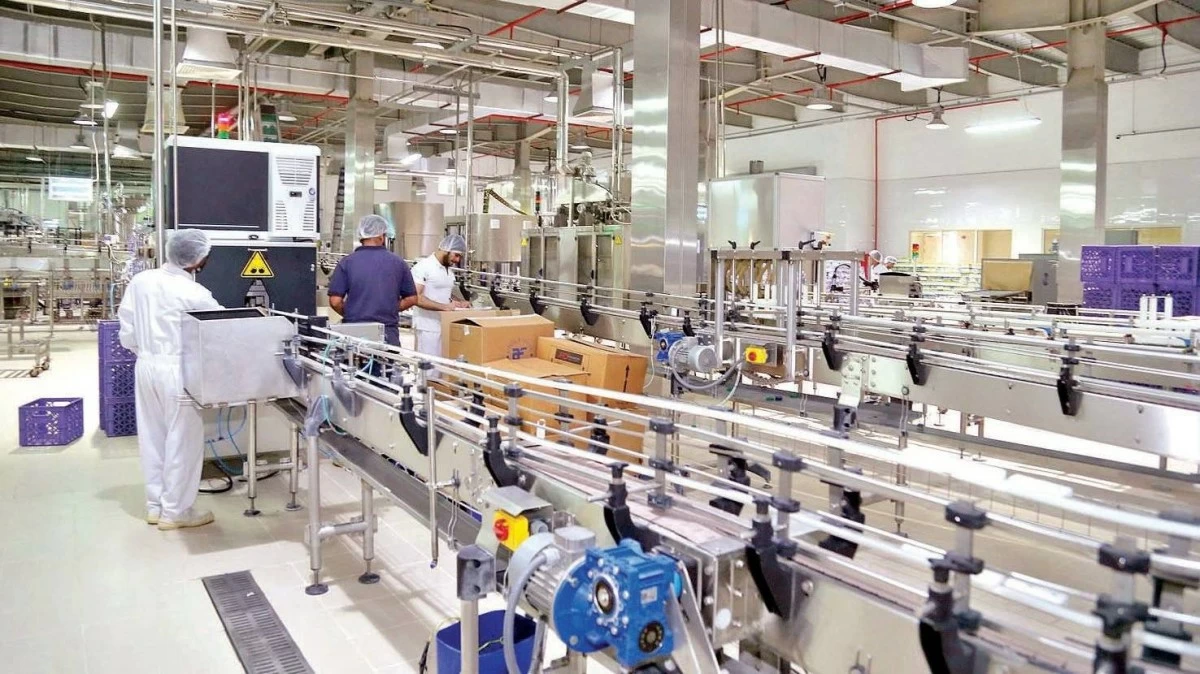
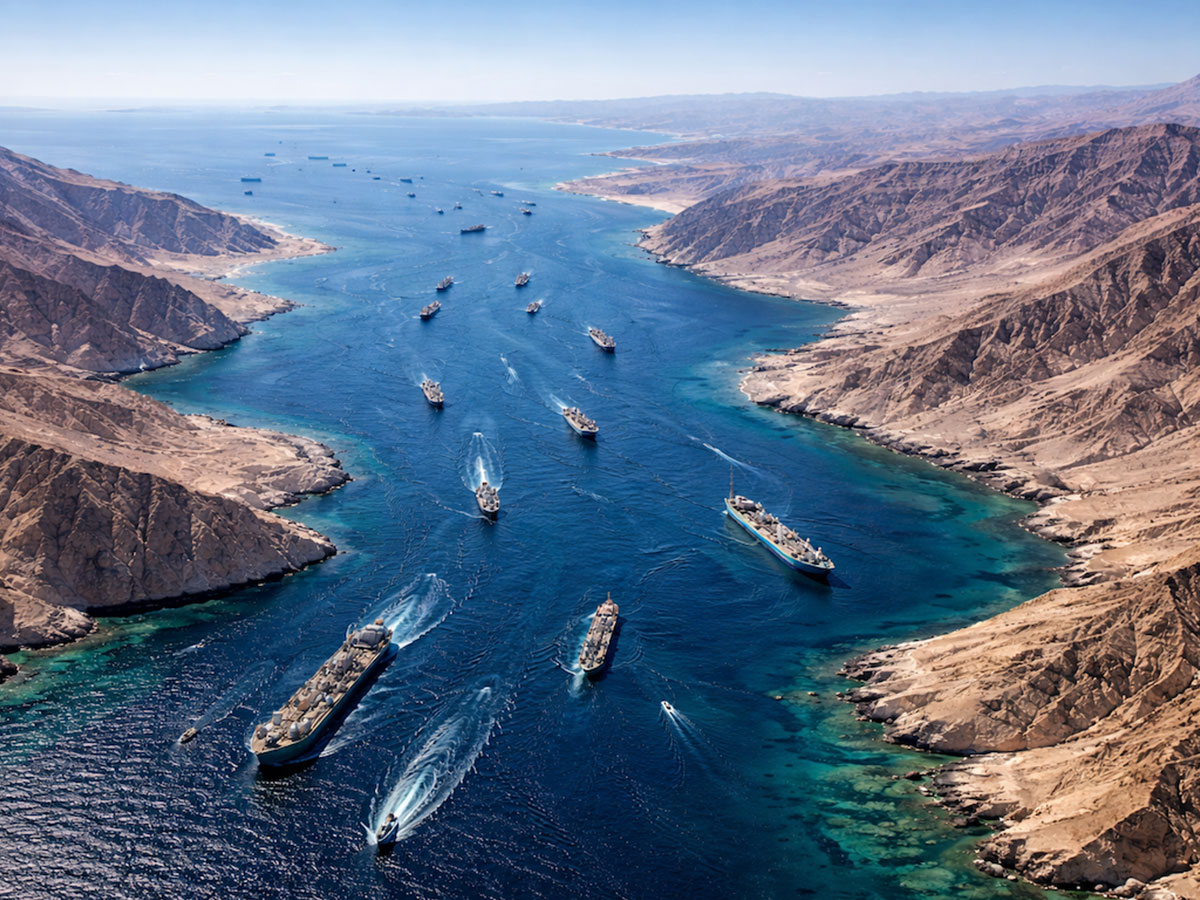
Copy Qena Global markets reacted quickly to the ceasefire announced between the United States and Iran for two weeks, as oil prices fell, gold and stock prices rose, the dollar declined in Asian trading, and hopes increased regarding the recovery of energy supplies, especially those related to the Strait of Hormuz. While statements in support of the ceasefire continue to be issued, indicators confirm that this announcement will have an effective impact on the world and the Middle East region, as a number of experts and economic analysts confirmed, in special statements to Qatar News Agency (QNA), that the direct and rapid repercussions of the results of the US-Iranian agreement appeared clear since the dawn hours of today (Wednesday) with a decline in oil prices in international markets, and an improvement in financial transactions on the majority of stock exchanges, in addition to a recovery in the business climate, pressure on supply chains, and a decline in the cost of Insurance. Analysts unanimously agree that in light of the anticipation of the start of the round of negotiations between Washington and Tehran scheduled for next Friday, and the conditional firing time being linked to a specific and short-term time frame, the impact of the agreement on the global economy and on the Gulf region was clear and rapid according to indicators of the movement of markets and prices, noting that the ceasefire and the continuation of negotiations represent another step that establishes a permanent peace agreement in the world and the region, and will have a positive impact on the flow of energy and food supplies and investments, and will provide a real opportunity towards greater prosperity and well-being. In this context, he said Dr. Amer Al-Shobaki, an economic researcher specializing in oil and energy affairs, said that after the announcement of the truce, global markets moved within hours from pricing a dangerous scenario, namely the complete collapse and a long extension of the closure of the Hormuz host, to pricing a fragile truce that could be broken at any moment, indicating that the markets received this truce with relief, as in the past the markets feared an actual closure of the Strait of Hormuz, the main economic artery through which a fifth of global oil and gas trade passes. He added that when the truce was announced, it was natural that Oil is falling rapidly to below $100, with Brent crude falling by about 13 to 16 percent and US crude by about 15 percent, and a strong rise in global stocks with cautious investor trends, which is the result of a lack of complete confidence, which indicates that the paper market has calmed down, but the real market has not yet calmed down, also pointing to the decline in oil prices to less than $100 a barrel after Trump announced his approval of a two-week ceasefire against Iran, as Brent crude recorded a decline of $14.84, or 13.6 percent, to reach the level of $94.43 per barrel. The price of US West Texas Intermediate crude also decreased by $16.13, or 14.3 percent, to reach the level of $96.82 per barrel. The energy expert pointed out that there are about 130 million barrels of crude oil and 46 million of refined fuel stuck on nearly 200 tankers, in addition to 1.3 million tons. Liquefied natural gas is waiting to pass through the strait, considering that these are huge numbers and their release to the markets means change, but they do not mean that things have returned to normal because removing these quantities is one thing and restoring confidence to shipping and insurance companies is another thing entirely. He also pointed out that the picture was more sensitive in Asia because the countries of this continent depended for their energy resources on producing countries in the Middle East region with about 60 percent of their oil imports and 80 percent of their natural gas imports, noting that some countries were forced during the crisis to reduce their industrial production, and even Resorting to fuel rationing. He believes that the release of these shipments will certainly have a good impact on the countries of Asia, but it will also not restore stability immediately, considering that what is more important is the reluctance of the producers themselves to restart the oil fields in the Middle East, especially since restarting is not a quick decision, but rather requires at least weeks and perhaps months for some of the facilities that were damaged. The oil and gas breakthrough Dr. Amer Al-Shobaki confirmed to QNA that the worst scenario is that it produces and is unable to export, and this explains a very important paradox. Despite the fall in prices, the actual market is still limited and suffering a real shortage, pointing out that the oil and gas breakthrough was apparently greater, as Europe got rid of some of its pressures caused by the lack of liquefied gas supplies after prices fell by about 20 percent, without this concealing the fact that the market is still awaiting the opinion of Qatar Energy. The world’s largest exporter of liquefied natural gas, the five-week war caused about 17 percent of its export capacity to be exported to global markets. He indicated that even if things calm down, restarting the facilities itself is not a simple process, but rather requires at least a month in the best scenarios. He said what we see now is the pricing of hopes for a long truce and not a real restoration of balance in the markets, because the effects do not stop only on oil and gas, but even helium products in Qatar, which also represent a third of global supplies, and the disruption of gas raised fertilizer prices significantly. Sharp to 50 percent because the region is linked to the production of about 15 percent of the ammonia trade, so we saw a rapid reversal, for example, in the prices of food grains. From an economic angle for the financial sector, the economist indicated that the central banks will not change their course easily because the geopolitical risk has today become the first factor influencing the global economy. On the other hand, the Gulf countries entered this crisis from a position of strength of their banks, which possess huge liquidity and allocations exceeding hundreds of billions, which has strengthened confidence in the financial markets, adding in the end, if you want to be brief. With what is happening, I believe that it is not the end of a crisis as much as it is just a short window of time through which the market can test whether we are facing the beginning of a real calm or a break before a new wave of rise in risks and prices. Dr. Amer Al-Shobaki, an economic researcher specializing in oil and energy affairs, concluded his statement to QNA by stressing that the course of negotiations between the two sides of the war during the next two weeks will determine the shape of the global economy in the coming months, in addition to the extent of assessing the extent of the damage to many oil installations and gas fields in the Gulf countries, whether in the Emirates or Saudi Arabia, Kuwait, Bahrain, Qatar and Iraq, all of which are indicators that make the picture unclear regarding the time period required to repair these facilities and return to full production, and the supply chain also needs a period of time that is not short and may extend to months, but this does not detract from saying that the two-week truce period remains a simple window that gives more hope for reaching sustainable solutions to the oil and gas crisis and regular energy supply chains. Global economic pressures. For his part, Abdullah Al-Raisi highlighted that the economic expert, in a similar statement to QNA, The enormous global economic pressures caused by the war, and its significant impact on growth and development in a noticeable way, noting its direct repercussions on the public budget deficit, the cessation of export and import operations, in addition to the large human losses that claimed many lives, and the extensive damage to facilities and infrastructure that will require a long time and strenuous efforts to restart them. He indicated that the size of the losses included all sectors and levels, stressing that the cessation of business and economic activities had a negative impact on the entire global economies, but the agreement to stop… The shooting could represent a first step towards restoring economic balance, even if the recovery process is slow and requires patience and continuous effort. Al-Raisi expressed his hope that decision-makers will realize the magnitude of the effects of wars, and will strive to return economic life to its normal path by reaching agreements, even at the lowest levels of understanding, because people are in dire need of returning to carrying out their daily lives and businesses in a normal and safe manner. Multiple strategic decisions. For his part, Ahmed Akl, the economic expert, confirmed to Qatar News Agency (QNA) that the recent circumstances in the Middle East region and geopolitical pressures had a major and pressing impact on most economies, noting that some countries, such as the State of Qatar, were able to mitigate their severity thanks to the presence of proactive plans, a clear vision and making multiple strategic decisions, in addition to diversifying sources of income and investment and directing local industries. He pointed out that despite this, the effects remain present in general, especially in light of the state of war that the region is experiencing, and whose effects extend to all countries of the East. The Middle East and even to the rest of the world, stressing the positive and rapid impact of the agreement reached by Washington and Tehran last night on investment tools and on the economies of several countries, despite the fluctuations witnessed in gold and oil prices and their exposure to major changes before reaching positive signs and a breakthrough in the conflict. Akl indicated to QNA that oil prices fell between 10% and 16% in one day after announcing the suspension of operations for two weeks, which demonstrates the direct impact of the news on the markets, adding that the financial markets in turn moved in a way Positive, as the Qatar Stock Exchange rose and gold returned to its rise, and the Dow Jones index forecasts were positive for today’s session. He explained that the region went through a period of uncertainty in its geopolitical vision of the developments that the Middle East went through, which prompted capital to search for stability, noting that there was pressure on the level of securing the basic needs of all countries due to the extreme importance of the Strait of Hormuz in the movement of global oil and gas trade. He said that some establishments were forced, due to the war, to reduce their production and activities or stop them temporarily in order to preserve lives. Its workers, which affected work chains at times, but he pointed out that with positive news, economic activity began to return to normal, and that the German index witnessed an increase of about 5%, and all global financial markets improved in light of the return of geopolitical calm. As for Qatar, Akl stressed that it remains an attractive destination for investment thanks to its encouraging investment laws and strong economic growth, as well as expectations to increase its gas production by rates ranging between 40 and 50% in 2027, stressing that Qatar also has large investments. Internally and externally, the return of stability to the region will lead to a strong flow of capital to it. He considered that the experience of the recent crisis has proven that the local product represents a vital safety valve for all economies, stressing that Qatar has been able to achieve complete sufficiency in some sectors such as milk and cheese within the food security system, and that this will be a clear focus in the coming periods. Regarding financial markets, Ahmed Akl, the economic expert, expected, in his statement to QNA, that the indicators will witness good increases, and the Qatar Stock Exchange index may exceed the level 11,200 or 11,400 points if positive news about the security situation in the region continues. He said that the most important thing that contributes to the return of economic activity is not only geopolitical calm, but also the opening of the Strait of Hormuz, which will return global trade and supply chains to normal, and ensure the security of resources for producers and consumers alike, indicating that with the return of truck, oil, and merchandise traffic through the Strait of Hormuz to normal levels, shipping and export activity will improve, and economic activity will be strengthened. Global growth in the energy sectors and industrial products such as aluminum, which will clearly and clearly support economic activity during the coming period, before restoring its normal pattern after quite a while.