
اخبار قطر اليوم – وطن نيوز
اخر اخبار قطر – اخبار قطر العاجلة
W6nnews.com ==== وطن === تاريخ النشر – 2026-05-27 00:00:00
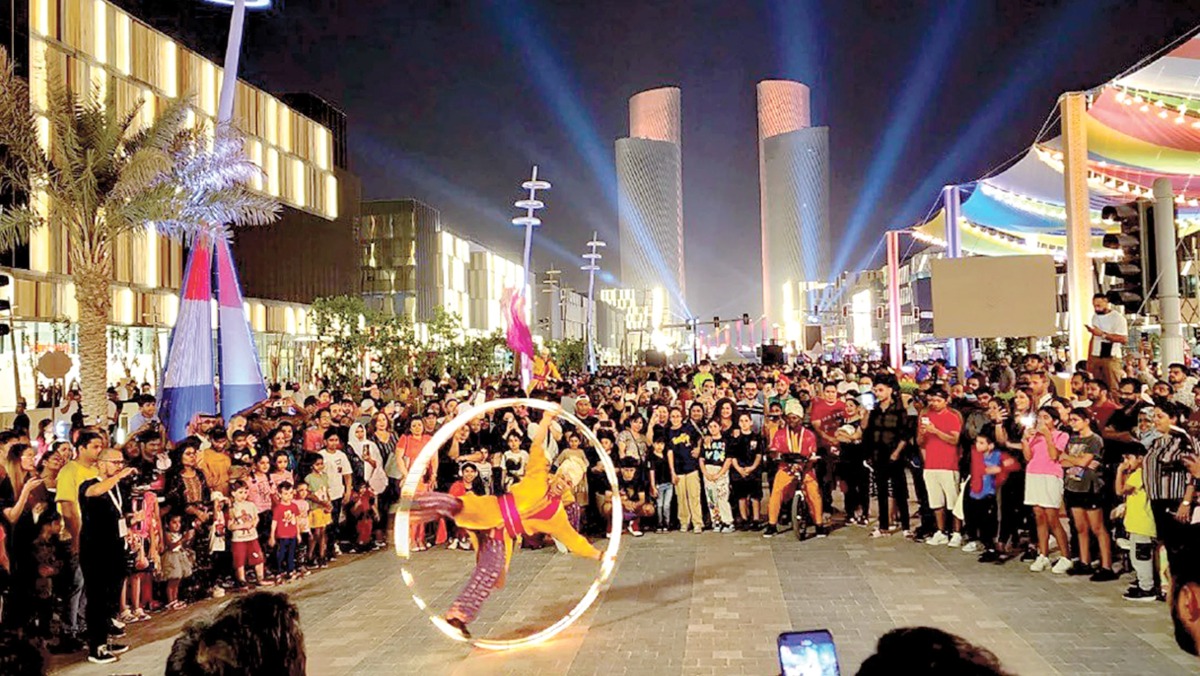
They constitute a strategic economic engine.. Tourism expert Ayman Al-Qudwa in an interview with “Lusail” Transcribed by Abdel Dayem Nour Mr. Ayman Al-Qudwa, tourism expert, confirmed that holiday events in the State of Qatar constitute a strategic economic engine and contribute directly to supporting the tourism sector and enhancing local economic growth, by attracting visitors and increasing spending in vital sectors, noting that Qatar Tourism is working to diversify these events to include cultural, artistic, and family entertainment performances that are held in famous locations in the country. Stressing that these recently announced events support the hospitality and retail sector, and the events increase demand for commercial complexes, restaurants, and cafes, which reflects positively on local revenues. He stressed that the efforts of the State of Qatar continue to consolidate its position as a world-leading tourist destination by combining authenticity with modern international events. Tourism expert Ayman Al-Qudwa added in an exclusive interview with Lusail that tourism spending in Qatar usually witnesses a big jump during the holiday seasons, noting that Qatar expects a noticeable increase in tourism spending during the holiday seasons compared to normal times, driven by all types of tourists, noting that many citizens and residents prefer family tourism in hotels and resorts, while regional visitors flock from the Gulf Cooperation Council countries. Al Khaleeji The tourism expert noted that the Qatari events calendar reflects great support for small and medium enterprises, and the events calendar in the State of Qatar, especially those included in the national calendar for the years 2025-2026, constitutes a strong boost for small and medium enterprises. The following is the text of the dialogue: Revitalizing economic activity – Qatar’s calendar presents a program full of family entertainment, tournaments and exhibitions this summer. How do holiday activities and sporting and cultural events contribute to revitalizing economic activity in Qatar? Within the framework of the Hala Summer 2026 campaign, which runs from May to September, the Qatar calendar offers a rich program of family entertainment, sports tournaments, and various exhibitions, and includes events such as the Qatar Games Festival, Minecraft World, and Fontana Circus, with special shows for children. These festive, sporting, and cultural events contribute to stimulating economic activity by attracting visitors from the Gulf Cooperation Council countries, which enhances the occupancy of hotels, restaurants, and commercial centers, and supports the growth of the tourism and services sector in Qatar. – What is the expected increase in tourism spending during the holiday seasons compared to normal times? Tourism spending in Qatar usually witnesses a big jump during the holiday seasons, and we expect a noticeable increase in tourism spending in Qatar during the holiday seasons compared to normal times, driven by all types of tourists. Citizens and residents also prefer family tourism in hotels and resorts, while regional visitors from the Gulf Cooperation Council countries (49% of visitors last Eid al-Fitr) flock to spend short holidays, and international tourists are also attracted by entertainment events. Last year, Eid al-Fitr witnessed a 26% increase in the number of visitors (214,000 visitors in 8 days), with hotel occupancy reaching 95%, which significantly boosts hospitality, retail and restaurant revenues. This increase reflects Qatar’s attractiveness as a distinct annual and seasonal destination. Private sector recovery – Which sectors benefit most from holiday events (hotels, restaurants, transportation, retail)? Holiday activities revitalize the sectors of the Qatari economy. With the advent of the holiday seasons and festive events in the State of Qatar, the tourism and hospitality sectors are witnessing a noticeable recovery that reflects positively on the national economy. The aviation sector, travel and tourism companies, along with hotels and hospitality sectors, cafes and restaurants, malls and commercial centres, various means of transportation, and money exchange shops, directly benefit from the influx of visitors and the increase in occupancy and spending rates. The indirect benefit extends to the rest of the sectors that support operations, such as the real estate sector and the education sectors. And health, which provide a nurturing environment for families working in the fields of travel, tourism, hospitality and entertainment. The tourism expert went on to say: Indeed, tourism is an important tributary to the Qatari economy, as it contributed about 55 billion riyals (8% of the domestic product) in 2024, which enhances economic diversification. – How do these events affect support for small and medium enterprises? The Qatari calendar of events reflects great support for small and medium enterprises. The calendar of events in the State of Qatar, especially those included in the national calendar for the years 2025-2026, constitutes a strong boost for small and medium enterprises. Al-Qudwa added, in Doha and abroad, sports, cultural and entertainment events target all types of tourism, from luxury through Formula 1 races to medium-sized family and economic festivals in popular markets. This also leads to an increase in demand for hospitality, restaurant, retail and transportation services, which enhances the revenues of these establishments and contributes. In sustainable economic development. – To what extent do seasonal events contribute to enhancing the image of the tourist destination regionally and internationally? Qatar’s seasonal events are considered a gateway to enhancing the tourism image globally. Seasonal events in the State of Qatar are one of the most prominent elements that enhance its position as a leading tourist destination regionally and internationally. In winter, Sealine Beach turns into a lively hub during Sealine Season (January), combining desert adventures, concerts, and family Monster Jam shows, taking advantage of the sand and waves meeting. As for the Ras Brouk season (November-February), it offers luxurious experiences in the heart of the desert with camping, yoga, and cultural heritage near the Habitas Resort. The picture is completed in the old port of Doha, which hosts various maritime and heritage events throughout the year, attracting tourists from all over the world. These events not only highlight Qatar’s natural and cultural diversity, but also transform it into a year-round destination, enhancing tourism appeal and supporting the economy. Attracting new tourists – How can the events of Katara, Lusail, Musheireb and Souq Waqif be used to attract new tourists? The State of Qatar seeks to strengthen its tourism sector by investing in the cultural events of Katara, the modern entertainment Lusail, the historic urban Msheireb, and the traditional Souq Waqif. These destinations offer a unique blend of heritage and modernity through festivals, concerts, and entertainment shows that attract tourists looking for authentic and innovative experiences. In partnership with Discover Qatar and the five stopover packages, transit stations can be transformed into integrated tourism experiences that include visiting these landmarks directly from Hamad International Airport. Visit Qatar promotional campaigns are also intensified in 15 international markets that source tourists, in addition to the markets of the Gulf Cooperation Council countries, especially Saudi Arabia, which together accounted for 36% of international visitors in 2025. This cooperation opens new horizons for attracting diverse and sustainable tourism. – What is the role of marketing campaigns accompanying events in increasing the number of visitors? Doha is considered the capital of soft power and a prominent global media center thanks to channels such as Al Jazeera, and a successful model in promoting tourism through marketing campaigns accompanying events, whether governmental by Qatar Tourism and Visit Qatar or for hotels and aviation. These campaigns combine digital through social media and traditional means such as television and print advertisements. Influencers also play a vital role in highlighting live experiences, as in the Amaze Yourself campaigns, while media platforms enhance the image of Doha as a safe and diverse destination. He added: In 2025, more than 500 events within Qatar’s winter calendar contributed to attracting more than 5.1 million visitors, paving the way towards the goal of 6 million by 2030. Thus, every event is transformed into a sustainable tourism opportunity. – How do holiday events affect the creation of seasonal or permanent job opportunities? Holiday events in Qatar reflect job opportunities and the promotion of heritage and tolerance. Holiday events and festivals in the State of Qatar, such as National Day, Eid al-Fitr, Eid al-Adha, and the Katara and Doha cultural festivals, are a vital engine for tourism and the economy. These events also attract millions of visitors annually, which generates seasonal and permanent job opportunities in hospitality, organization, and retail in the tourism sector, which supports more than 350,000 jobs currently and is expected to reach 458,000 during the decade. Next. These events reflect Qatar’s authentic culture and enhance the values of tolerance and openness by sharing maritime heritage, family customs, and traditional arts with visitors of different nationalities, which enhances cultural exchange and consolidates Qatar’s position as a global destination that combines authenticity and modernity. Promote ecotourism – Do these events contribute to sustainable tourism or do they create temporary pressure on infrastructure? Qatar’s events reflect a combination of sustainable tourism and attracting talent. The State of Qatar is witnessing a remarkable tourism boom with its hosting of various events such as Formula 1 and MotoGP races, and the Gulf Tourism Capital 2026 programme. These events also contribute to promoting sustainable tourism by investing in green infrastructure and promoting environmental and cultural tourism, which preserves natural resources and distributes tourist flow throughout the year. Contrary to the fear of temporary pressure on infrastructure, these events have become a strategic tool to increase the population, which recently reached about 3.3 million people. It also attracts visitors, investors and global talent, which strengthens the economy and achieves the Qatar National Vision 2030 of sustainable diversification. With this balance, Qatar turns challenges into long-term growth opportunities. – What are the most prominent challenges facing the Tourism Authority in managing large numbers of visitors during the holidays? During the holidays, Qatar witnesses a huge tourist influx, as it recorded 214,000 visitors in just eight days during Eid al-Fitr last year. Travelers also face great difficulties in flight reservations, as seats on Qatar Airways and other airlines’ flights through Hamad International Airport run out weeks in advance, reducing available options and limiting flexible timings. Also, the occupancy rate of hotel rooms, which number about 42 thousand rooms, reaches 95%, while demand is rising sharply. When demand exceeds supply, ticket and accommodation prices rise significantly, putting pressure on visitors’ experience despite ongoing infrastructure expansion efforts. – What is the impact of the diversity of events (entertainment, cultural, sports) on the diversity of tourist segments? The State of Qatar is characterized by a tremendous diversity in its entertainment, cultural and sporting activities, which enhances its attractiveness to diverse tourist segments throughout the year. With a 2025-2026 calendar featuring more than 500 events, major sporting tournaments such as the Arab Cup, Formula 1 and MotoGP attract sports fans from all over the world, while cultural events such as Art Basel Qatar and food and book festivals target heritage and arts lovers. As for entertainment activities, such as family parties and festivals, they meet the needs of young people and families. This diversity has contributed to receiving more than 5.1 million visitors in 2025, with a diversification of markets: 36% from the Gulf countries, 25% from Europe, and 22% from Asia. With this, Qatar expands its regional and international presence, achieving sustainable tourism growth that supports Vision 2030. A sustainable tourist attraction – How can holiday events be developed to be a sustainable tourist attraction throughout the year? Qatar is witnessing a boom in the tourism sector, and the development of holiday events represents a golden opportunity to turn them into a sustainable attraction throughout the year. By strengthening the partnership between the public sector, represented by the Ministry of Environment and Climate Change and Qatar Tourism, and the private sector, including hotels and event organizing companies, traditional holidays such as National Day, Ramadan, and seasonal holidays can be redesigned into unique cultural experiences. The development also includes diversifying programs by adding artistic performances, heritage markets, and sporting and technological events, with a focus on environmental and economic sustainability. Cooperation also allows training local cadres and marketing the destination internationally through global platforms, ensuring a regular tourist flow that supports the economy and preserves the Qatari identity. With this integrated vision, Qatar turns its holidays into a permanent engine for sustainable tourism. – What are the proposed strategies to increase the economic return from these activities? Qatar is moving towards sustainable tourism through partnership strategies that enhance economic returns. The State of Qatar seeks to enhance its economic returns from tourism activities through thoughtful strategies that make tourism a sustainable strategic economic tributary. At the heart of this vision is the activation of the investment model through public-private partnership (PPP) in the long term, in cooperation with local and Gulf investors to develop integrated tourism projects. The Gulf market is of strategic importance as it is a major source of tourists, supported by a vital land gateway through the Abu Samra port, which received about 1.8 million visitors, and an advanced air gate at Hamad International Airport, which organizes about 500 weekly flights to the markets of the Gulf Cooperation Council countries. Through these partnerships, Qatar will witness an increase in sustainable investments, strengthening infrastructure, and creating job opportunities, which consolidates its position as a thriving global tourist destination.