

اخبار ليبيا اليوم – وطن نيوز
اخر اخبار ليبيا- اخبار ليبيا الان
W6nnews.com ==== وطن === تاريخ النشر – 2026-06-23 15:57:00
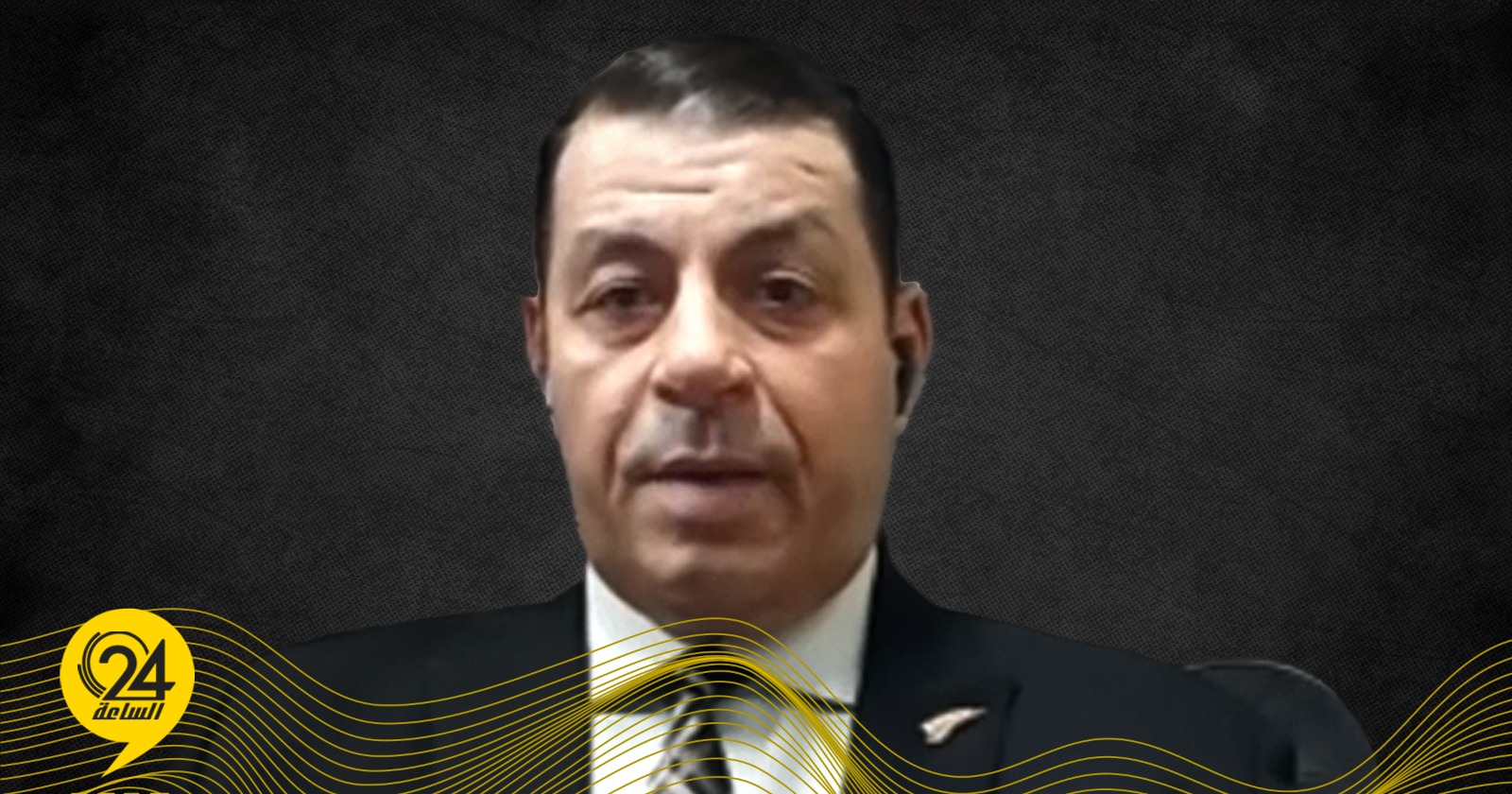
The political and military analyst, Brigadier General Hatem Atef, confirmed that Egypt views Libya as a direct strategic depth to its national security, noting that the recent Egyptian moves towards the Libyan file stem from Cairo’s keenness to preserve Libya’s unity and stability, based on the close interrelation between the security of the two countries and their common strategic interests. Commenting on the recent moves of the head of the Egyptian General Intelligence Service, Major General Hassan Rashad, which included meetings in Cairo and Tripoli with influential Libyan and American figures, Atef explained, during an intervention on “Al-Masar” TV, monitored by “24 Hour”, that these efforts fall within the ongoing Egyptian efforts to bring viewpoints closer between the various Libyan parties and contribute to healing the rift within the Libyan arena. He pointed out that the Egyptian-Libyan relations are historical and deep-rooted, and have been enjoyed during In recent years, the Egyptian political leadership, led by President Abdel Fattah El-Sisi, has been paying increasing attention, based on a firm conviction that the stability of Libya represents a direct strategic interest for Egypt, stressing that Cairo is not dealing with the Libyan crisis as an external party seeking to influence the scene, but rather considering Libya as part of its strategic environment, which makes its primary goal to reach a unified and stable Libyan state capable of protecting its institutions. Regarding the initiative of US Presidential Advisor Massad Boulos, Atef explained that it is based on a clear awareness of the nature of the existing division in the country Libya and the presence of different centers of power and influence in the east and west of the country, which makes any political settlement need real consensus between these parties. He added that the initiative seeks to bring together the elements of power and influence in the various Libyan regions within a unified political and institutional framework, which contributes to achieving stability and ensuring the continuity of the work of the state and its institutions. He pointed out that the stability of Libya is not related to the internal situation only, but extends to multiple regional and international files, including border security, energy flows, and combating external interference, which has contributed to the complexity of the scene over the past years Atef described the meeting, which was hosted by Cairo and included officials from Egypt, Saudi Arabia and Turkey, along with Massad Boulos, as an important milestone in the path of regional efforts aimed at addressing the Libyan crisis. He explained that Cairo sought through it to build a coordinated regional framework to deal with the Libyan file through joint understandings that reduce conflicts of interests and competing interventions. He believed that the choice of Egypt, Saudi Arabia and Turkey to participate in these consultations reflects the extent of the influence that these countries have in the Libyan file and their ability to push the political process towards more solutions. Realistic and implementable, considering that these consultations may form the nucleus of a broader regional movement aimed at supporting stability in Libya and supporting efforts to unify institutions and end the existing division. Atef stressed that any successful political process must begin with the unification of Libyan state institutions, stressing that holding elections alone will not be sufficient to achieve stability if the state of institutional division continues, explaining that the priority at the current stage should focus on building a unified national army that represents all Libyans, in addition to forming a unified national government and a unified central bank capable of achieving stability. Managing resources and wealth in a fair and balanced manner. He added that the Libyan people are looking forward to practical steps to end the years of division after a long series of political initiatives and promises that have not been translated into tangible results, stressing that institutional stability represents the basic gateway to any successful electoral entitlement, and that building unified and strong institutions will prepare the appropriate ground for holding elections capable of producing stable, legitimate authority in various regions of the country. Regarding the Egyptian role in the American initiative and the current political path, Atef stressed that the success of any initiative, whether American, regional or regional, is important. International, it remains dependent on the existence of a real Libyan-Libyan consensus, explaining that the initiative led by Massad Boulos does not aim to impose ready-made solutions, but rather to bring the various parties to one table to discuss controversial issues and reach common understandings, stressing that the final solution must stem from the will of the Libyans themselves and pointed out that the current stage requires all parties to make mutual concessions for the sake of Libya’s future and stability, and work to build unified national institutions that include the army, legislative, executive and financial institutions as well Atef considered that the visit of the head of the Egyptian General Intelligence Service, Major General Hassan Rashad, to Libya and his meeting with the head of the National Unity Government, Abdel Hamid Al-Dabaiba, reflects the nature of the Egyptian approach based on communicating with various Libyan parties without siding with a particular party. He explained that the recent Egyptian moves showed Cairo’s keenness to communicate with all components of the Libyan scene with the aim of bringing viewpoints closer and facilitating reaching a common ground for a solution. He stressed that Egypt views Libya as one country and one people, and that the main goal of its moves is to support Unity of Libyan institutions and the achievement of political and security stability, indicating that Cairo supports the formation of a technocratic government or executive authority that enjoys broad consensus, in addition to the presence of a unified central bank that manages national resources and wealth in a fair manner that serves all Libyans. He added that Libya possesses great economic potential and wealth that qualifies it to achieve a broad renaissance, but benefiting from this potential remains linked to the ability of the political forces to overcome their differences and work according to a comprehensive national project. Speaking about the balance of power within the country, Atef explained that The Libyan scene is characterized by the presence of major centers of influence represented by the military and security institutions located in the east of the country, compared to the executive and financial institutions located in the west of the country. He pointed out that an important aspect of the ongoing political efforts aims to build bridges between these different centers, allowing for the establishment of a more balanced and stable governance system. He explained that the proposed initiative is based on the idea of combining the various elements of power associated with the military institutions, executive administration, and economic resources, with the aim of reaching a unified formula for state administration, stressing that Egypt strongly supports the building of a unified national army and unified institutions. It considers this to be the necessary basis for any successful political process or future elections. Atef also stressed that Cairo’s approach is based on the principle of preserving the unity of the Libyan state and preventing any interventions or conflicts that would prolong the crisis or threaten the stability of the region, considering that the current stage is witnessing intense efforts to bring viewpoints closer between the various Libyan parties, and that the success of these efforts will open the door to building unified national institutions capable of managing the next stage in a more stable and effective manner Managing part of its movements related to the Libyan file, Atef explained that this choice reflects the nature of the Egyptian approach that combines the security, political and strategic dimensions of the Libyan crisis, stressing that Major General Hassan Rashad’s visit to Tripoli and his meeting with the head of the interim unity government carried important political and security messages, most notably the confirmation that Egypt is dealing with the various Libyan parties and seeks to build bridges of trust with all components of the political scene. He added that this step represents a message of reassurance to the political forces in western Libya that Cairo is not looking at the crisis Libya from the standpoint of siding with one party against another, but rather from the standpoint of supporting the stability of the Libyan state with all its institutions, pointing out that the recent Egyptian moves reflect a growing awareness of the importance of achieving security stability in the west of the country as a basic condition for the success of any future political or institutional process. Atef stressed that unifying institutions and rebuilding the Libyan state requires addressing the complex security files, most notably the armed formations and imposing state authority over the entire Libyan territory, stressing that any political efforts will not achieve their goals unless they are combined. With security arrangements that guarantee stability and provide an appropriate environment for implementing political understandings on the ground, he saw that the movements that followed the quadripartite meeting in Cairo reflect the existence of a common vision between Egypt, Saudi Arabia, Turkey, and the United States regarding the necessity of supporting stability in Libya and unifying its institutions. The meetings of the head of the Egyptian Intelligence Service in Tripoli also come within the framework of an attempt to build confidence with institutions in western Libya and confirm Cairo’s readiness to support any steps that contribute to enhancing security, stability, and the unity of the state. Atef pointed out that the Libyan military institution played a role During the past years, it played an important role in combating terrorism and securing borders, and contributed to regional efforts related to pursuing extremist elements and armed organizations, stressing that Egypt is based on the principle of supporting national armies and official state institutions as the primary guarantor of the unity and stability of countries, while rejecting any models that lead to multiple centers of power or duplication of military and security institutions. He added that Cairo sees the presence of unified security and military institutions as one of the most important requirements for building a modern state, and that Libya’s stability cannot be fully achieved as long as it continues. Institutional divisions or multiple centers of armed influence. In the context of comparison with other regional crises, Atef explained that the recent developments suggest that the Libyan file has begun to take a different path from previous years, especially with the decline in the intensity of regional competition and the emergence of indications of broader understandings between a number of influential countries. He pointed out that Egyptian-Turkish relations have moved to a higher level of coordination and understanding after stages of divergence, which reflects positively on the chances of reaching more stable solutions. He stressed that this rapprochement The regional region provides a supportive umbrella for any future political efforts and gives the Libyan parties additional guarantees regarding the continuity of understandings and that Libya does not turn again into an arena of conflict between competing agendas. He expressed his belief that unifying the army and the financial and executive institutions represents the shortest path towards building a stable state capable of meeting the aspirations of its citizens. He indicated that Egypt will continue its support for Libya’s unity and stability based on the historical and geographical ties that unite the two countries, and from a firm conviction that Libya’s security and stability are important. They constitute an integral part of the security of the entire region. Regarding the relationship between Egypt’s support for the existing Libyan institutions and its support for the new political movements aimed at reshaping the Libyan scene, Atef stressed that Cairo does not see a conflict between the two matters, but rather considers that the ultimate goal in both cases is to preserve the unity of the Libyan state and its institutions. He explained that Egypt was and remains one of the most prominent supporters of the Libyan legitimate institutions, especially the House of Representatives, indicating that the relations between Cairo and the Libyan legislative authority have witnessed cooperation and coordination. We have continued over the past years, pointing to the recent visit made by the Speaker of the House of Representatives, Counselor Aguila Saleh, to Egypt and the official attention it received. He stressed that Egyptian support for the House of Representatives does not mean adhering to the existing forms of institutional division, but rather comes within the framework of supporting Libyan national institutions and working to develop them in a way that serves the project of a unified state, considering that the continued existence of parallel institutions in the East and West cannot constitute a permanent basis for stability, and that the division between the legislative and executive institutions directly reflects on the state’s performance and hinders settlement efforts Atef said that the approach that Cairo is taking is based on bringing together the viewpoints of the various Libyan parties and pushing them towards building unified institutions that represent all regions and political movements. He pointed out that the efforts led by Major General Hassan Rashad during the recent period fall within the framework of seeking to unify visions and create the necessary conditions to reach unified national institutions. He added that Egypt views unifying institutions as a priority that takes precedence over any other political entitlements, including elections, because holding elections in light of continued division may lead to the production of fragile institutions that are unable to manage. The state is stable, stressing that the success of any political process first requires the presence of unified institutions capable of working within a comprehensive national framework. Regarding the future of the House of Representatives in light of the American initiative and what is reported about its tendency towards direct dealing with the active forces on the ground, Atef believed that the House will remain an essential part of any future political equation as it is the existing and recognized legislative institution within the Libyan scene, but at the same time he indicated that the next stage may witness new arrangements aimed at unifying the various legislative bodies and institutions within a more comprehensive framework that guarantees the representation of the various Libyan regions in the country. One legislative institution. He stressed that the goal is not to exclude any institution or political party, but rather to overcome the state of multiplicity and division that resulted from the years of crisis to reach unified national institutions that have the ability to make decisions and manage the transitional phase more effectively, indicating that the American initiative seeks, according to the perceptions circulating around it, to bring views closer between the various centers of power and influence within Libya and not to eliminate the role of existing institutions. Atef concluded, stressing that any successful political path must achieve a balance between recognizing the reality on the ground and preserving it Institutional frameworks of the state to prevent the occurrence of a political or constitutional vacuum, considering that the most realistic option at the current stage is to unify the legislative, executive and military institutions, because building a stable state requires a single authority and unified institutions capable of managing the country’s affairs away from the divisions and conflicts that have exhausted Libya during the past years.