
اخبار ليبيا اليوم – وطن نيوز
اخر اخبار ليبيا- اخبار ليبيا الان
W6nnews.com ==== وطن === تاريخ النشر – 2026-06-09 03:27:00
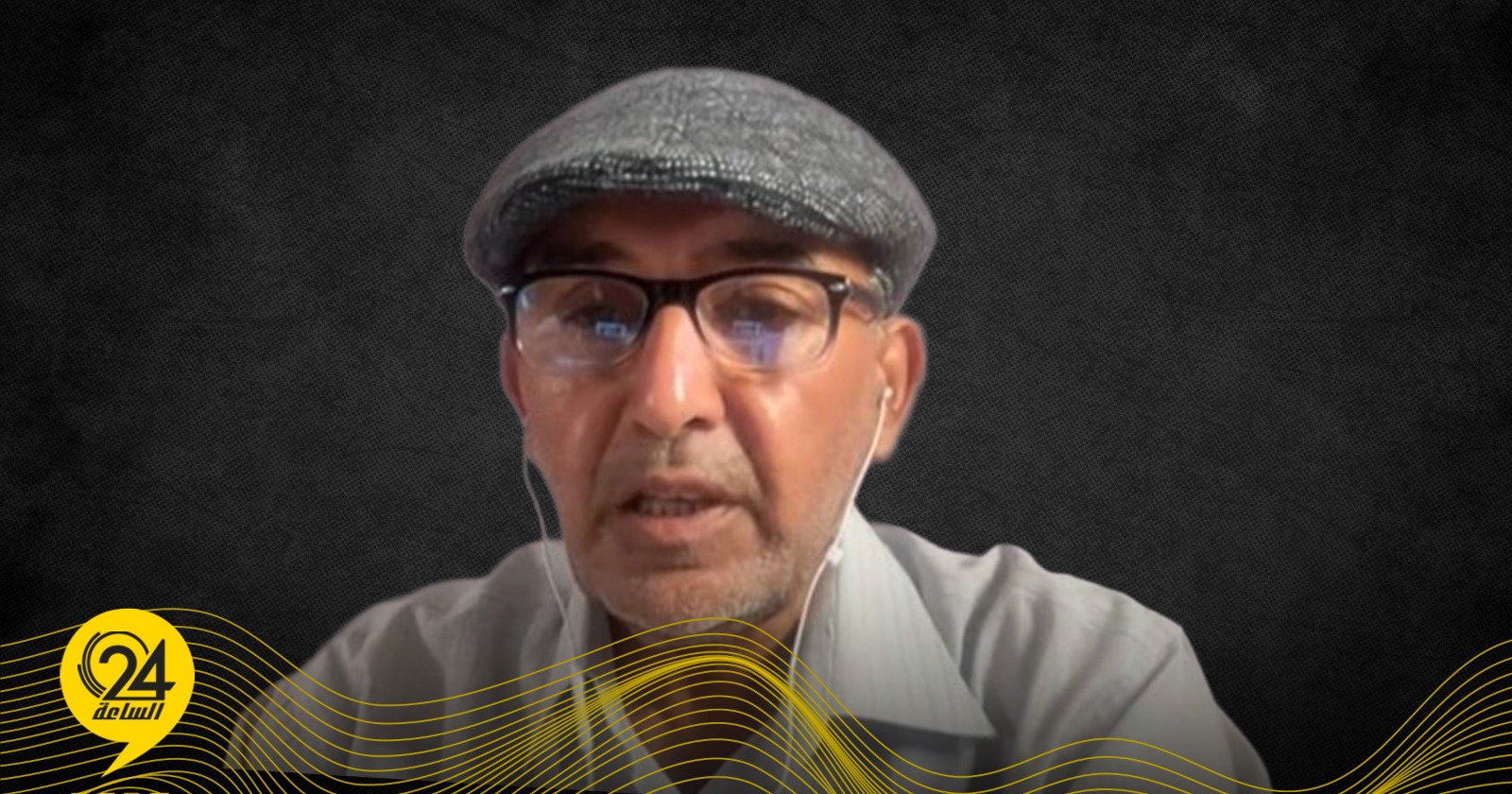
Political analyst, Mohamed Mtairid, confirmed that the outcomes of the structured dialogue did not succeed in addressing the gaps that accompanied the previous political tracks, most notably the Skhirat Agreement and the Geneva Dialogue, considering that the recommendations presented reproduced the same tools that proved limited in their effectiveness during the past years, instead of presenting new approaches that are compatible with the current political reality in Libya. During an interview with “Al-Masar” TV, monitored by “24 Hour”, Mtairid explained that the structure of the current outcomes does not differ fundamentally from previous experiences, noting that the participants in the dialogue were supposed to present new visions that go beyond traditional frameworks, but what happened was a return to the same paths that began in 2015, passing through Geneva, while re-presenting similar recommendations as a roadmap for the UN mission during the next stage. He added that previous experiences showed the limited feasibility of them, Pointing out that the House of Representatives and the State have not been able over the past years to achieve real consensus on basic political issues, he continued that the Geneva outcomes led to the formation of the interim unity government, which was supposed to lead the country to the elections on December 24, 2021, but this goal was not achieved, and the Political Dialogue Committee known as the “Committee of 75” was unable to provide final solutions to the crisis, adding this experience to the series of incomplete paths. On the other hand, Mterid expressed his support for some The proposals that appeared during the recent period, including the idea of the “4+4” committee that was announced last February, considering that dealing directly with the active and influential forces on the ground represents a more realistic approach than returning to previously tested paths without tangible results. He believed that what is required at the current stage is a dialogue that is in line with the existing data and the actual balance of power, instead of recycling political paths that did not produce sustainable solutions, considering that the repeated return to the Skhirat and Geneva agreements reflects the absence of a new vision to address the essence of the Libyan crisis. In response to the suggestion that the previous agreements still represent the legal and political reference for the state, Mterid stressed that those understandings came as a result of agreements between conflicting parties and under international sponsorship, and were not an expression of a comprehensive national consensus. He explained that all the rounds that were held in Skhirat, Bouznika, Geneva, and Tunisia aimed to reach a political consensus that would lead to elections, but their final outcomes did not achieve this goal. Mterid pointed out that the structure proposed a series of steps that begin with the formation A joint committee between the House of Representatives and the State for a period of 45 days, and if it fails, it will move to forming an international dialogue committee similar to the Committee of 75, then discussing the formation of a new council and government and re-evaluating the path within specific time periods. Although he considers these steps to be an attempt to start again, he saw that they lack political realism in light of the multiplicity of initiatives currently proposed, whether those related to the structured dialogue, the “4+4” committee, or the American initiative, wondering about the actual reference that will be adopted to manage the next stage Emtirid said that the structured dialogue would have been better to focus on direct communication with the decision-making and influential parties in the east and west of the country, given that any real settlement requires the direct involvement of influential forces, rather than simply reproducing paths that had previously failed to end the crisis. In a related context, Emtirid expressed his skepticism about the possibility of implementing the outcomes of the structured dialogue on the ground, despite his acknowledgment that some of the proposals contained in the draft include ideas that could contribute to addressing a number of aspects of the Libyan crisis, stressing. The main problem lies in the implementation of the recommendations. He explained that some of the provisions included in the draft caught his interest, especially with regard to expanding the powers of the Presidential Council and granting it broader powers in sovereign files. He considered that the presence of a unified leadership with clear powers during the transitional phase may contribute to addressing a number of problems, especially with regard to the status of the Supreme Commander of the Army and the management of files related to border security. At the same time, Emtirid stressed the necessity of reading these proposals in light of the existing political reality, explaining that Grant Broad powers for one party may seem logical in theory, but it requires a political and institutional environment capable of ensuring its implementation in practice. He added that what raised his questions is that the draft began by talking about the roles of the House of Representatives and the State and the committees emanating from them, and then later moved to proposing a political council with broad powers that practically exceed the roles of the two chambers, which raises questions about the nature of the relationship between the existing institutions and the proposed new structure. Mtarid considered that the essence of the Libyan crisis is the continued reliance on the committees And the repeated transitional paths, wondering about the feasibility of establishing new committees whenever the implementation of a political or institutional entitlement falters, at a time when the previous committees were unable to achieve the desired results. He pointed out that Libya has been following the same paths for years, starting with the Skhirat Agreement, through Geneva, and the transitional bodies and political initiatives that followed, without reaching the elections that are supposed to represent the final goal of all these arrangements. Mtairid also asked about the fate of the committees that were previously established to follow up on implementation Political agreements, indicating that many of them ended up being mere recommendations that did not find their way into implementation, which raises fears of repeating the same scenario with the outcomes of the structured dialogue. He pointed out that the proposed proposals include mechanisms that allow the transfer of some powers from the House of Representatives and the State, to the Presidential Council or to other committees in the event of faltering implementation, considering that this may lead to a new cycle of recycling bodies and committees instead of addressing the roots of the crisis. Imtarid stopped at the positions of the parties controlling the political scene, asking about The extent of the readiness of the interim unity government and the active forces in the west of the country to accept these outcomes, especially in light of the current government continuing to perform its duties and some parties seeking to maintain their positions within the arrangements for the next stage. He believed that any new political path cannot succeed without taking into account the actual balance of power and the positions of the influential parties on the ground, because the success of the initiatives is linked to the extent of the main parties’ commitment to them and their acceptance of their outcomes. Mtairid also pointed out that a number of files addressed by the recommendations of the structured dialogue have already witnessed practical steps in recent years, including the arrangements. Security and coordination between the military institutions in the East and the West, in addition to the understandings related to the unified budget and financial agreements that were reached in previous meetings. He believed that these achievements should have had a greater presence in the outcomes of the dialogue and be built on and developed, instead of launching new paths that may take a long time before reaching the implementation stage. Emtirid stressed that the main problem does not lie in the content of the draft of the structured dialogue, but rather in the way in which these outcomes can be transformed into concrete practical steps. The current circumstances and the proposed tools do not provide sufficient guarantees to achieve this. In his assessment of the future of these outcomes, Mtarid suggested that most of them will go to marginalization during the next stage, considering that the UN mission will deal with them as advisory recommendations that can benefit from only some of their elements, while the actual political work will focus on specific files related to the restructuring of the Presidential Council and the unification of executive authority between the East and the West. He explained that the Structured Dialogue Committee has presented to the UN mission a wide package of proposals related to the distribution of wealth and development The powers of institutions, mechanisms for accessing elections, and the term of the next executive authority’s term, in addition to proposals stipulating written pledges from the officials who will hold executive positions not to run in the subsequent elections. Imtirid said that the UN envoy, Hannah Tetteh, will present these recommendations to the Security Council during her next briefing, but he ruled out that all the outcomes will be adopted directly, preferring only a general presentation of them, focusing on the issues that enjoy greater consensus and support. He added that the mission will discuss the outcomes with the committee The mini-committee and the various political bodies in the east and west of the country, but the main problem will remain related to the implementation mechanisms, and it is expected that these mechanisms will face objections that may prompt them to be reconsidered again. Emtairid stressed that the next stage will witness the transfer of some powers from the structured dialogue to the mini-committee, allowing for the rearrangement of political priorities and focusing on specific files, which will practically lead to overcoming a large part of the current recommendations. He expected that international attention will focus on two basic issues: restructuring the Presidential Council and forming a unified government Or integrated between the East and the West, while the rest of the proposals will remain within the framework of inactive ideas. As Imtarid pointed out, the UN mission deals primarily with the most influential political and military parties on the ground, which is the same approach followed by the United States in its approach to the Libyan file. He explained that the recent American moves accelerated the pace of some political tracks and directly affected the work of the UN mission. He added that the mission found itself facing a new political reality imposed by international movements, which prompted it to end the work of the structured dialogue And moving to the stage of selectively benefiting from its recommendations, similar to what happened with previous advisory committees in which many proposals were presented, only a limited part of which was implemented. In this context, Emtairid suggested that some ideas related to restructuring the Presidential Council be taken into account, including reducing the number of vice-presidents and naming one deputy by consensus between the main parties, in addition to moving towards a unified government that represents a priority for the international parties involved in the Libyan file. He believed that these steps may be implemented through direct or through international pressure Understandings are based on the current American movements, considering that these data will be the most influential in determining the shape of the next stage. Imtirid considered that the American initiative, led by Massad Boulos, has greater chances of achieving tangible results, because it depends on direct communication with the active forces on the ground, unlike the traditional paths that relied on lengthy dialogues and political committees without being able to end the crisis. Imtirid concluded by stressing that the Libyan crisis is heading towards a political approach different from the previous paths, which is likely to be the case The American initiative has the greatest influence in shaping the features of the next stage, while the outcomes of the structured dialogue will remain present within certain limits without turning into the main framework for the expected political solution.