

اخبار سوريا اليوم – وطن نيوز
سوريا اليوم – اخبار سوريا عاجل
W6nnews.com ==== وطن === تاريخ النشر – 2024-01-10 13:04:34
Confusion and ambiguity surround the political scene in Iran in light of international tension. The confusion results from the nature of the regime and the burden of internal and external issues. The Islamic Republic actively and persistently supports its allies in the major conflicts in the region – Iraq, Syria, Yemen and Lebanon – which has placed it at odds with most of its neighbours.
Such a division is neither political nor strategic, but rather sectarian. This dynamic has deepened the region’s slide into sectarianism and exacerbated the political conflicts between Iran and many of its neighbors. Throughout its history, this sectarian policy has been characterized by a state of tension and a lack of clarity in the political vision governing it.
Kerman explosion… Iranian internal confusion
Confusion is the title of the political, social and security scene in Iran, and this is in light of the internal failure in Iranian cities. Last week we witnessed the explosion at a ceremony commemorating Qassem Soleimani, killing at least 103 people and wounding 211 others.
According to Iranian officials, no one claimed responsibility for the operation for nearly 30 hours when reports emerged that ISIS had issued a statement posted on the chat app Telegram. Immediately, many Iranians began to express doubts about ISIS’s claims, convinced that the Iranian government itself was somehow responsible for one of the worst acts of violence against civilians.
This feeling is very common among Iranians, and is expressed in different forms and for different reasons, such as the absence of any official or prominent figure, not even the Soleimani family, at the ceremony. All these assertions reach the same conclusion: “It was the same system.”
Sowing fear in a country suffering from internal turmoil and the possibility of an escalating regional war, many Iranians, already disillusioned with their leaders, were angry that the authorities failed to provide adequate security for an event attended by thousands of people. Government officials blamed the two countries that Tehran has long viewed as arch enemies, Israel and the United States. International experts and intelligence analysts said that the attack bore the hallmarks of terrorist groups, not Israel.
The peculiarity of this explosion is that it comes at a time of increasing anxiety in Iran and throughout the region. The targeting of some human gatherings in Iran over the past week put the Supreme Leader in a real crisis and revealed the weakness of the tools of the ruling authority there, as his statement was about blaming what he called “Iran’s malicious and criminal enemies,” although he did not go so far as to name any group or nation.
In the aftermath of that attack, two people closely associated with the Revolutionary Guards and familiar with internal discussions among Iranian decision-makers say the country’s military and political leaders quickly decided to hold Israel responsible for the bombings. They said that even if a terrorist or opposition group claimed responsibility for the attacks, Iran would insist that Israel had a hand in it.
In this regard, the political researcher at the “Al-Sharq” Center, Saad Al-Share’, in his interview with Al-Hal Net, confirms that the oscillation between options is what makes ambiguity and contradiction present in Iranian politics currently, and this contradiction has deepened even the statements of some Iranian officials regarding the operation that targeted On the road to the shrine of Qassem Soleimani, there are those who accused the Mossad and others who confirmed that ISIS claimed responsibility for the operation, given the time and place of the operation, which are specific to the Shiite community in general. It can be said that Iran will remain in a difficult situation until the end of the operations in Gaza.
The assessment of the Iranian government and its security services contrasts sharply with the analysis conducted by US intelligence agencies, which indicated that Israel was not involved. Ali Fayez, director of Crisis Group’s Iran Project, said that this is also not in line with usual Israeli methods when striking Iran.
While Israel regularly carries out covert operations in Iran, it has targeted specific individuals, such as Iranian scientists or officials, or at nuclear or weapons facilities. Here, there appears to be a state of division between the people, who are now feeling anxious and demanding revenge, and the government, which is talking about “strategic patience” and avoiding bringing Tehran into war with any international force.
As for activists inside Iran, they are concerned about the possibility of using the bombing in Kerman – whoever committed it – as an excuse to further suppress dissidents and critics of the regime, which is what the government is good at doing in any case. This situation may lead to decreased government transparency and accountability, leading to widespread human rights violations.
Conflicting statements
The most important thing that dominates Iranian politics is the conflict and the lack of a systematic, pre-determined policy, as if Iranian politicians are living in a state of current political improvisation. For example, the official spokesman for the Iranian Revolutionary Guard, Ramadan Sharif, stated that the attack launched by Hamas fighters on Israel It was one of the “acts of revenge for the assassination of Qasem Soleimani,” as reported by the official Iranian News Agency (IRNA) at the time.
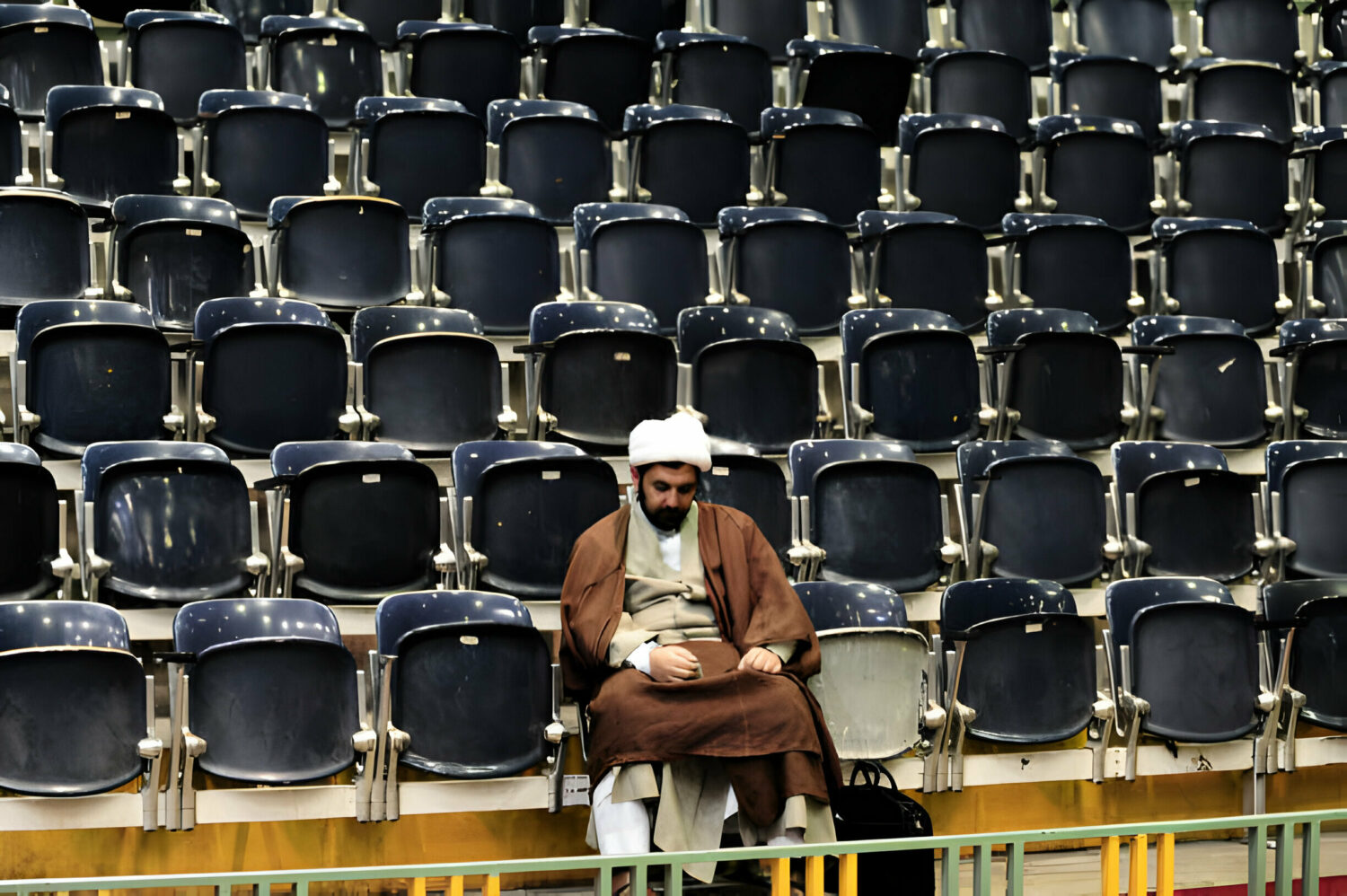
Following Sharif’s claim, “Hamas” issued a statement in which it refuted Iran’s allegations, and stated that the main motive behind the attack was “the Israeli threat to Al-Aqsa Mosque,” saying that it denies the validity of what was stated by the “Revolutionary Guard” spokesman, and stressed that “all acts of Palestinian resistance It comes in response to Israel’s presence and its continued aggression against our people and our sanctities.”
Then came a denial of Ramadan’s statement by the Iranian Foreign Minister, Hossein Amir Abdollahian, that the Hamas attack inside Israel, which was called the “Al-Aqsa Flood,” on the seventh of last October, was “a distinctly independent decision and action by Hamas.”
Al-Share’, in an interview with Al-Hal Net, believes that the worst thing that happened to Iran recently was the “Al-Aqsa Flood” operation, adding: “I do not think that Tehran was hoping for this to happen, especially at an important stage, as Iranian policy believes that the time has come to reap the fruits of their intervention and incursion into The Arab region, whether these fruits are economic, security, or even strategic projects, and in fact the features of this stage have begun, through reformulating the relationship with Saudi Arabia, compromising with America on the Iranian nuclear issue, and establishing their military and security presence on the path of the Shiite Crescent (Tehran- Beirut).
But according to the street, the “Al-Aqsa Flood” operation greatly embarrassed the Iranian position, and its options became limited. Entering the war means an open war against it, which will inevitably cause it to lose what it was able to gain during recent years in the Arab region, and if it refrains from participating, it will be in a difficult position in its relationship. With its tools or allies in the Arab region, and therefore the Tehran government chose the lesser of two evils and adhered to the rules of engagement.
Igniting incidents at agents increases tension
It seems that the “Shiite Crescent” that Tehran created in the Arab region is going through a bad phase. Here, at the beginning of 2024, these countries classified as the “axis of resistance” appear more threatened than ever before.
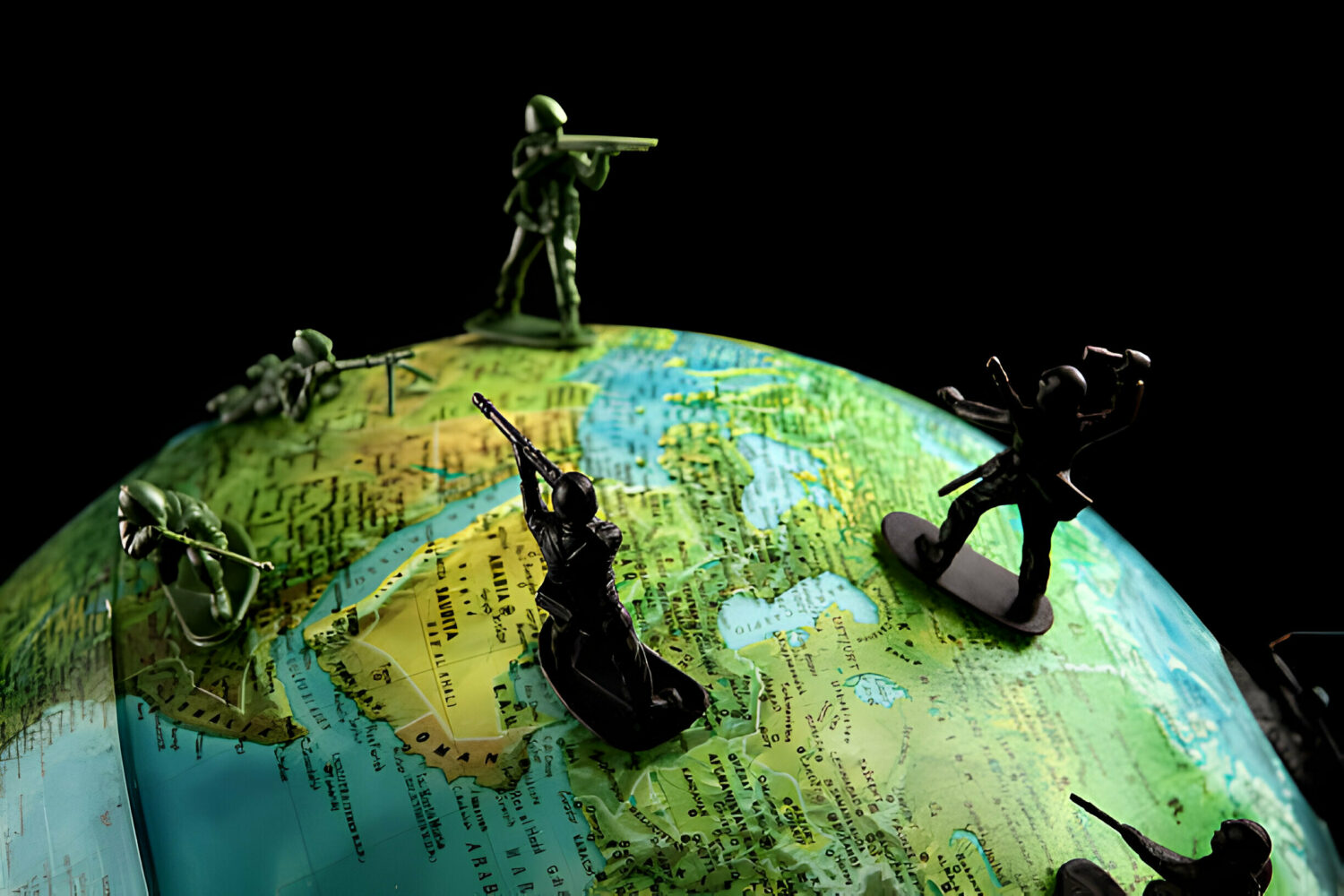
At a time when we are witnessing a state of instability and loss of internal balance, we find this situation extending to all areas where Iranian militias are present. Here, Islam Al-Mansi, a researcher specializing in Iranian affairs, in his interview with Al-Hal Net, believes that Iranian policy is facing difficult tests this year in the Arab region as a result of international pressures and economic obstacles that may cast a shadow on the Iranian regional project, as the lack of resources allocated for this has led to The project led to a state of confusion and lack of political flexibility, which negatively affected its regional presence.
There is a hot line between Tehran, Baghdad, Damascus, Beirut, and Sanaa, which has been made more heated by events over the past twelve weeks. A war room that runs operations from Beirut, a mixture of various forms of attacks in light of the geographical superiority of what is known as the “Axis of Resistance.”
Baghdad raised the ceiling of escalation with the Americans through the Popular Mobilization Forces, Beirut preoccupied the Israelis on the border under the auspices of Hezbollah, and Sanaa practiced naval madness without stopping in full view of the world, and from Syria, which was content with a supportive media position, missiles were launched from time to time. A few marches, and with time they turn into another theater for settling scores at the regional level between Israel and Iran, and the recent assassination of Sayyed Radhi Mousavi is the best evidence of that.
However, the Lebanese front remains the most disturbing arena in the region due to the Israeli threats to expand the battle and turn it into a war in itself, and also because of the implications it carries for the day that follows the war, whenever that day comes.
Iranian concern about an unexpected confrontation
It is no secret to observers that there has been a kind of hesitation and confusion in the steps of the “Axis” since the beginning of the “Al-Aqsa Flood,” and Israel is not the only one who is disturbed and confused. This confusion and the policy of trial, error, and correction are of course due to a lack of preparation for such a moment.
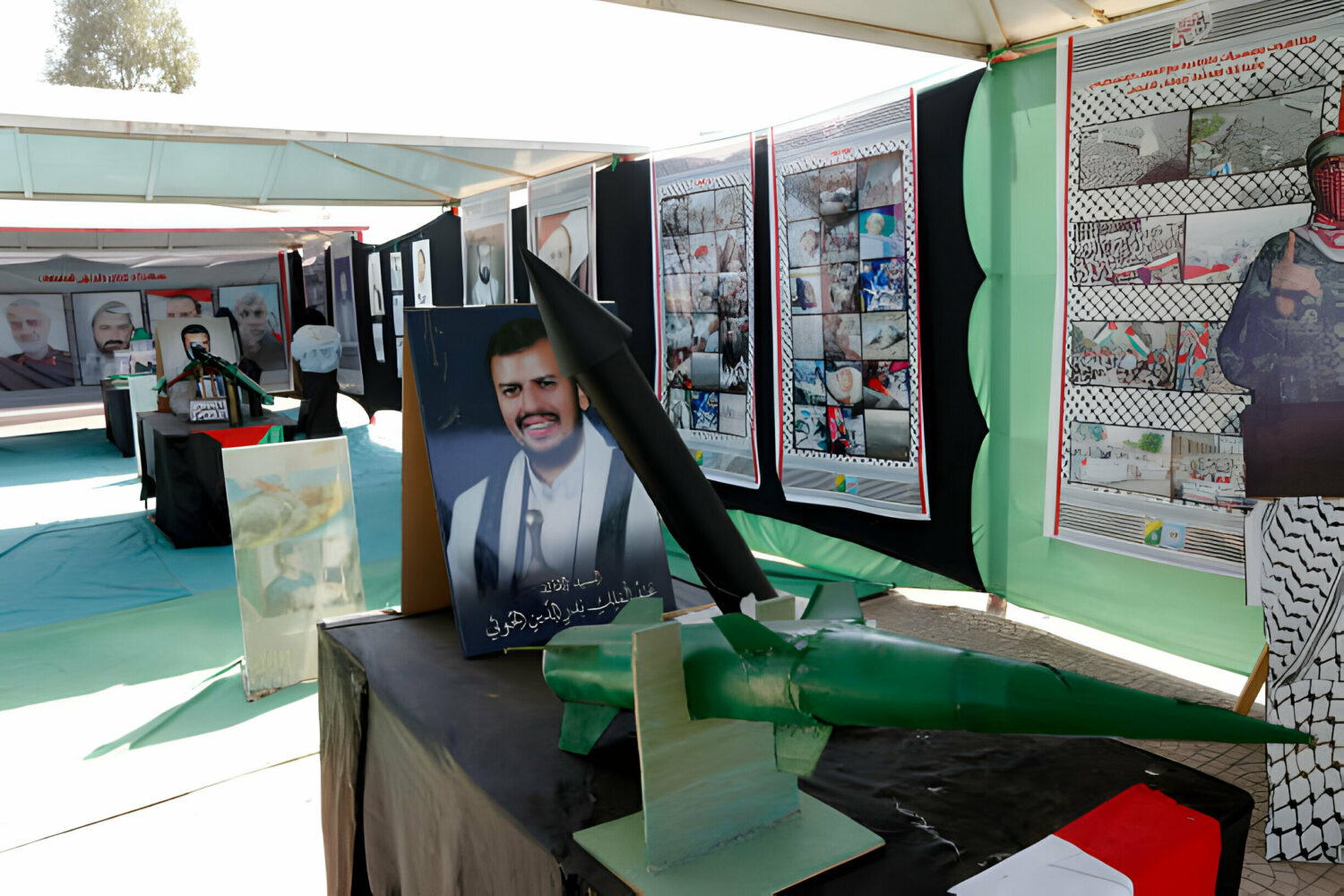
The second issue, which seems more clear in the case of Hezbollah in Lebanon, is that the party has not entered into a serious test with Israel since the 2006 war, and therefore it is concerned above all with testing its means of fighting and Israel’s new methods, which the party has not tested in its previous battles.
In the months preceding the war, the southern front in Lebanon was witnessing a kind of controlled tension, which was evident in the issue of the tent that Hezbollah had set up in the Shebaa Farms area. The issue consumed a lot of back-and-forth, threats, and diplomatic efforts. At the same time, Lebanon was demarcating its maritime borders with Israel to ensure benefiting from the supposed gas fields.
The conflicting signals indicated that southern Lebanon was on the threshold of a major transformation, either with the renewal of the informal truce that had been in place since the 2006 war, or with a clash that would return the region once again to the area of tension and exhaustion as it had been years before. Most optimists and pessimists did not expect a rapid change in the scene like the one imposed by the “Al-Aqsa Flood.”
Hitting the Iranian network in Damascus
The situation in Damascus completes the ambiguous scene in Iranian politics. An Israeli air strike outside the Syrian capital, Damascus, killed a senior advisor to the Iranian Revolutionary Guard, according to Iranian official media reports.
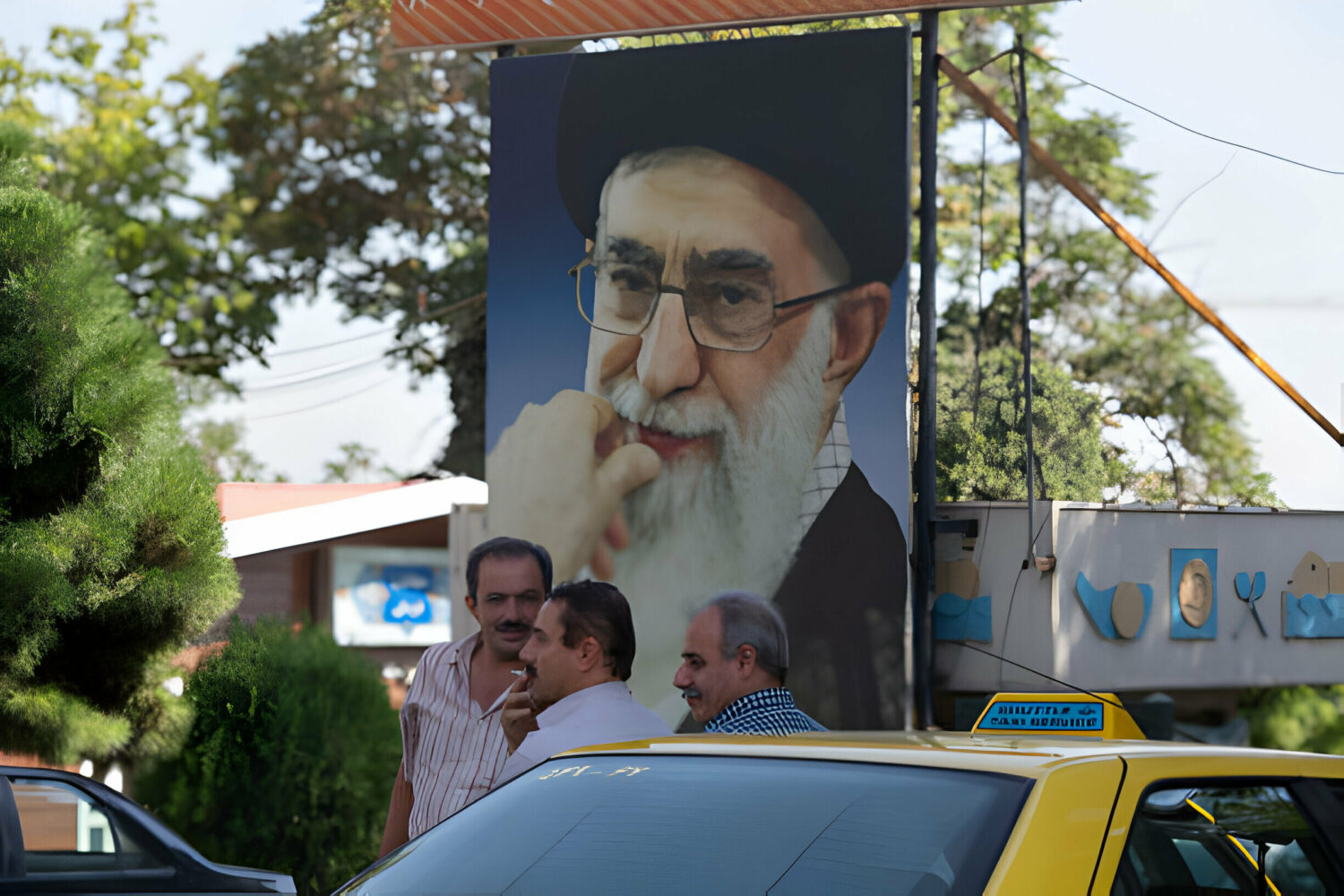
Radhi Mousavi was a senior commander of the Revolutionary Guards in Syria, who was responsible for coordinating the military alliance between Syria and Iran, an important part of Iran’s regional network of allies and proxies known as the “Axis of Resistance.”
His killing is a strong blow to the Iranian presence in Syria. This operation came within the framework of attrition and at the same time settling scores, and it was followed by raids in Albukamal on groups that were working with him, and recently in Aleppo on headquarters belonging to his team.
The truth is that the situation in Syria is special for Iran. Because Syria is an Iranian station for communication with the “resistance axis” in Lebanon, any Israeli raids in Syria on Iranian forces will have serious consequences due to the flaming situation on the Lebanese border, and Israel knows this and that is why it is carrying out these raids as a form of pressure on Iran and its position in Lebanon.
Perhaps some attribute this confusion to the Axis leadership’s reliance on gray areas in responses since the assassination of former “Quds Force” commander Qassem Soleimani in Iraq. It is clear that these areas have begun to narrow significantly since the seventh of last October, and therefore, if they are left to narrow further, without establishing a real deterrence equation, they will tighten the noose on the entire axis sponsored by Tehran.
All of these burning situations may lead the Arab region to a critical juncture that leads to a threat that will make the region a flashpoint for an international conflict, the fuel of which will be the population of the Arab region. Despite the overlap and fluctuations in the positions that control Iranian policy, this does not negate that it is the only beneficiary of the conflict. Ongoing unrest in the region.


