

اخبار السودان – وطن نيوز
اخر اخبار السودان اليوم – اخبار السودان العاجلة
W6nnews.com ==== وطن === تاريخ النشر – 2026-01-29 09:23:00
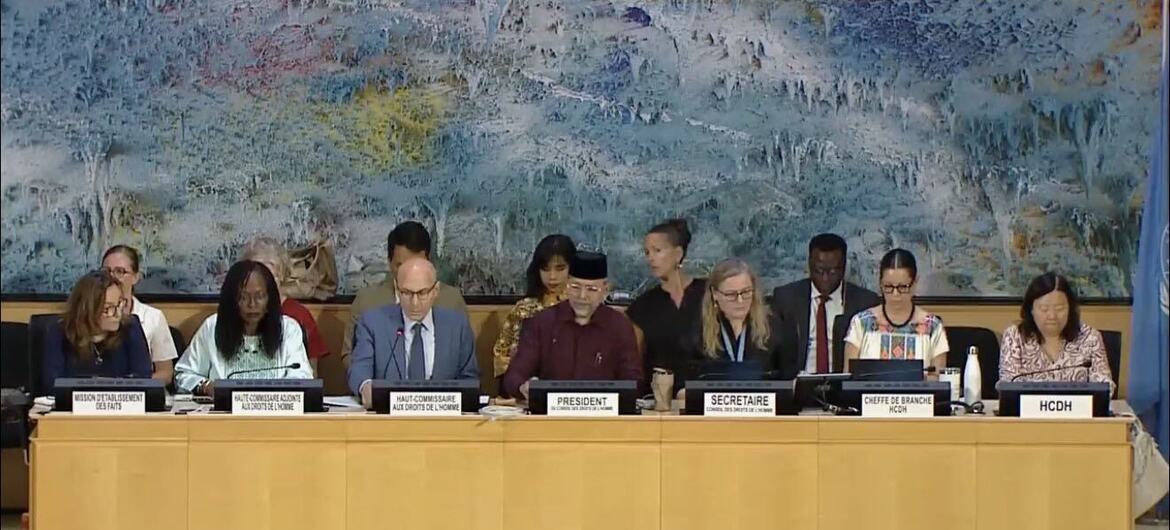
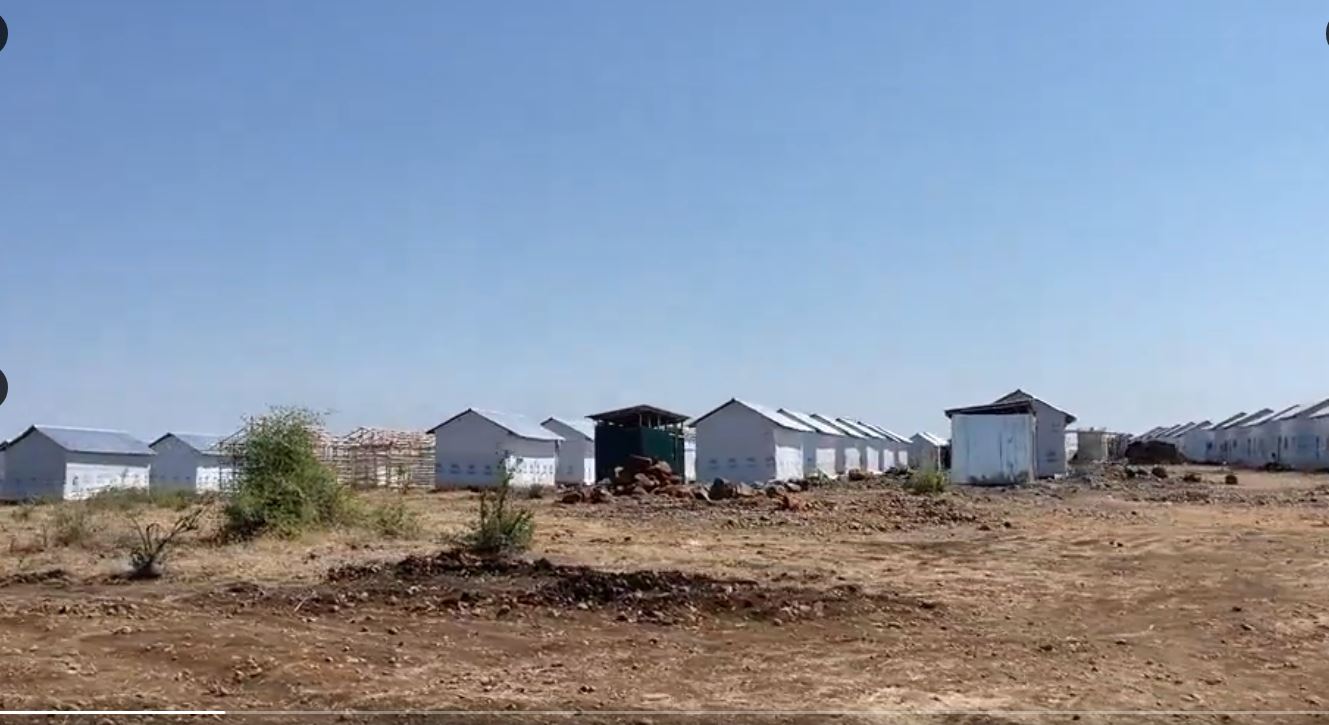
4 days ago News, Data 500 visits We, the undersigned Sudanese, Arab and African organizations, stand united in our commitment to the people of Sudan, more than a thousand days after the war. While this conflict accelerates the disintegration of the state and multiplies systematic crimes; The international community remains powerless to prevent renewed genocide, end large-scale atrocities, and weaponize the justice system. We demand an immediate halt to foreign arms flows, and we call for a peace process that goes beyond bargaining between warlords and is based on a transition to comprehensive civilian rule. For nearly three years, the Sudanese Armed Forces and the Rapid Support Forces – with the support of regional parties – have been waging a fierce war at the expense of civilians, driven by a struggle over power and resources, which has derailed the civilian democratic transition in Sudan. Evidence indicates continued external military support to both parties, including the flow of support through regional transit centers, which prolongs the conflict and allows further violations to be committed. The UAE plays the role of the main gateway for smuggling weapons and money into Sudan for the benefit of the Rapid Support Forces, which are accused of committing war crimes, crimes against humanity, and possibly the crime of genocide. At the same time, Egypt, Saudi Arabia, Turkey and other countries intensified their military support for the Sudanese Armed Forces, which have also been accused of war crimes and serious human rights violations. To date, there has been little effort to hold accountable the UAE or other governments that provide support and weapons to perpetrators of abuses, or to stigmatize them as a weapons exporter. The war has inflicted catastrophic harm on civilians and almost completely undermined the right to life and security. Available conflict data indicate that in 2025 alone, conflict-related violence killed more than 17,000 people across Sudan. According to the ACLED Conflict Index for the same year, Sudan was ranked second among the most dangerous and bloodiest conflicts in the world, preceded only by the Russian-Ukrainian war. Since April 2023, the total number of deaths is estimated at at least 150,000 – most of them civilians – although the actual number may be much higher. At the same time, the Sudanese judiciary has been systematically weaponized to criminalize humanitarian work, silence opponents, and terrorize displaced people and all those perceived as adversaries. Trials that lacked guarantees of fairness in several judicial circuits resulted in death sentences and long prison sentences based on coerced or fabricated evidence, or motivated by political revenge or racial profiling, reflecting the collapse of judicial independence. This pattern of judicial persecution constitutes an extension of armed conflict by other means, deepening social divisions, entrenching impunity for armed elements, and dissuading civilians from providing aid, documenting violations, or exercising basic civil liberties. Conflict-related sexual violence has been used as a deliberate tactic of war across Sudan to terrorize, humiliate and displace civilians. Evidence indicates that the Rapid Support Forces are responsible for the majority of systematic attacks in this regard. These practices are serious international crimes that leave indelible effects on survivors and the social fabric, and require immediate accountability for perpetrators and leaders alike. In addition to the cases confirmed by reliable Sudanese non-governmental organizations, the United Nations expert on human rights in Sudan monitored more than 390 cases of rape and gang rape by the end of 2025. This number represents only a small fraction of the actual extent of violence; The lack of protection services, and the social and security consequences of filing reports, force many male and female survivors to remain out of sight. Acts of ethnic cleansing and genocide have been documented in at least West and North Darfur. Our organizations and others have also documented, over the course of a thousand days, serious violations that included direct and deliberate attacks by the Rapid Support Forces against civilians and civilian infrastructure in Khartoum, Sennar, Kordofan, and Al-Jazira. Both sides of the conflict have committed extrajudicial killings, arbitrary arrests and detention, in addition to countless crimes of torture, cruel, inhuman and degrading treatment, and enforced disappearance. While the Sudanese Armed Forces used conventional aerial bombardment, both sides used drones and heavy artillery to target residential neighborhoods, markets, and hospitals. During June 2023, the Rapid Support Forces launched attacks targeting non-Arab components, especially the Masalit, Fur, and Zaghawa in West Darfur state, through killing and persecution practices that amount to genocide. IDP camps around the city of El Fasher, which house victims displaced between 2003 and 2005, were subjected to fierce attacks launched by the Rapid Support Forces in 2025 in their campaign to control the city. The law, torture, and arbitrary detention of thousands of defenseless civilians. There were also reports of people being burned alive inside their homes. In the same context, several reports and video clips, which were widely circulated, documented shocking incidents targeting residents of the “Kanabi” (agricultural labor camps) on the basis of their ethnic origins, especially those belonging to the “Tama”, “Fur”, “Zaghawa”, “Masalit” and “Missiriya” groups, under the pretext of “communicating with the Rapid Support Forces.” The de facto government bears ultimate responsibility for these international crimes; Not only did it fail to investigate, but it also accommodated leaders involved in these heinous transgressions, which reinforces the state’s deep-rooted impunity. In late October 2025, after more than 18 months of siege, the Rapid Support Forces extended their control over the city of El Fasher, the capital of North Darfur State, and the last major stronghold of the Sudanese Armed Forces in the Darfur region. Since the Rapid Support Forces took control of the city of El Fasher on October 26, 2025, there have been reliable reports revealing the commission of widespread violations that included; Field executions, home raids, attacks on fleeing civilians during their displacement, and kidnappings for ransom. Moreover, the World Health Organization (WHO) revealed that more than 460 patients and attendants were killed in the Saudi Maternity Hospital during the rapid support forces’ invasion of the city. Following the control of the city, tens of thousands of civilians fled towards cities such as “Tawila” in North Darfur (about 70 km west of El Fasher) and “Al-Afas” camp in the Northern State (about 650 km northeast of El Fasher). While Taweelah has become a major center that includes an estimated 1.5 million displaced people; Al-Affad camp houses between 18,000 and 30,000 displaced people. According to local sources, the conditions in both camps have reached a tragic extent. There is an acute shortage of food, drinking water, shelter and basic health services. The situation in the Kordofan region in western Sudan remains of grave concern. Fighting in the region resulted in the displacement of 65,000 people in just three months, while the cities of Kadugli and Dilling have been suffering from a continuous siege for nearly two years, imposed by the Rapid Support Forces and the Sudan People’s Liberation Movement-North. Recent testimonies from South Kordofan indicate that the harsh conditions of the siege caused the almost complete depopulation of the cities of Kadugli and Dilling, as a result of waves of mass displacement. However, the impact of the Sudanese Armed Forces’ success in breaking the siege on the city of Dilling this week has yet to be assessed. The enormity of these disasters is compounded by the fact that this humanitarian catastrophe was met with complete international inaction, despite the fact that this conflict has caused the largest hunger crisis in the world, and the most serious emergency of forced displacement currently. According to the World Food Programme, 21.2 million people suffer from acute food insecurity, while more than 13 million people have been forced to flee their homes, including 9.3 million internally displaced people, and 4.3 million living as refugees. This enormous scale of suffering not only reflects the failure of the warring parties to protect civilians and the inadequacy of the international response, but also highlights the inability of regional institutions – whether the Arab League or the African Union – and international actors to impose tangible consequences, or provide protection and assistance. Enough. The result is a devastating double standard. While the world is content with expressing expressions of concern to the victims in Sudan; Atrocities continue with complete impunity. However, the true spirit of Sudan remains resilient, embodied in the extraordinary resistance shown by its people. Despite the collapse of official humanitarian relief systems; However, Sudanese communities have been able to keep people alive thanks to youth-led emergency rooms and grassroots mutual support networks. Volunteers, including medical staff, students and local professionals, also continue to provide essential services and support evacuations amid grave risks. Any credible peace process must be people-driven and led by the Sudanese people, rather than limited to negotiations behind closed doors between armed parties alone. Recommendations to the Sudanese Armed Forces and the Rapid Support Forces ● Immediately halt attacks on residential areas and critical infrastructure, including markets and electricity and water installations. ● Provide “full and unrestricted access” For international investigators, including the UN Fact-Finding Mission and the Organization for the Prohibition of Chemical Weapons, to collect vital evidence without delay.● Release all civilian detainees, stop extrajudicial killings, and hold perpetrators accountable. Stop using the judiciary as an instrument of conflict, and stop arrests based on ethnic identity or political affiliation.● Establish and respect safe zones and neutral humanitarian corridors for the distribution of aid, especially in besieged areas such as Kadugli and Dilling. To regional powers and neighboring countries● Strictly adhere to UN Security Council Resolution 2791 (2025), which prohibits the supply, sale or transfer of weapons and military technology to the warring parties.● Host states, including Chad, Egypt, South Sudan, Libya, Ethiopia, and Eritrea must keep their borders open and ensure adherence to the principle of “non-refoulement.” They must also allow civil society to mobilize support and assistance in accordance with international law.● Facilitate the safe flow of cross-border aid and provide support to local mutual aid networks.To the international community● The Security Council must adopt a comprehensive resolution that includes an enforceable mechanism to protect civilians and achieve justice and accountability.● The International Criminal Court must accelerate its ongoing investigations and issue the necessary indictments. UN Member States must also provide strict support for the implementation of existing arrest warrants.● The UN Human Rights Council should act on the recommendations of the fact-finding mission and adopt measures to follow up on the implementation of the November 2025 resolution on the city of El Fasher.● UN Member States must immediately provide significant financial flows to bridge the humanitarian gap. Signatory organizations: Sudanese Observatory for Human Rights Cairo Center for Human Rights Studies Voices of Victims in Senegal Access Yemeni Coalition for Human Rights International Response Egyptian Front for Human Rights Human Female Guardians to Guard the Values of the Revolution Sudanese Network for Human Rights Sudanese Forum for Human Rights The Foundation for the Promotion of Rights Egyptian Initiative for Personal Rights Women’s Political and Civil Rights Groups (Mansam) Sudanese Group for the Defense of Rights and Freedoms Sudanese Democracy First Group African Center for Justice and Peace Studies Nubian Center for Peace and Democracy Legal Agenda Egyptian Platform for Human Rights Tunisian Forum for Economic and Social Rights Sudanese Organization for Justice and Human Rights Libyan Organization for Legal Aid Women Now from For Development, Lebanon, Alliance of Civil Forces for Eastern Sudan, Social Accountability Association (I Have the Right to Ask You), Intersection Association for Rights and Freedoms, Asmaa Association for Development, T’azur Association for Victims, Ivory Coast Association for Human Rights, Syrians for Truth and Justice, Aswat Network for Media, Justice for All, Adila for Culture and Arts. Rescue Committee of the Algerian League for the Defense of Human Rights Justice Committee Freedom of Thought and Expression Foundation for Human Rights Law and Democracy Support Foundation Sinai Foundation for Human Rights Yemen Future Foundation for Cultural and Media Development.. Recovery Initiative No Oppression of Women Initiative Ethiopian Human Rights Council Justicia Center for Legal Protection of Human Rights in Algeria Access Center for Human Rights (ACHR) Democratic Civil Society Platform – Sudan Africa Justice Organization Sudan Women of the Diaspora to Stop the War Women Against Injustice Darfur Bar Association Legal and Human Rights Center Tanzania Association Tchadienne for la Promotion and the Defense of Home Droits ATPDH, TCHAD DITSHWANELO – The Botswana Center for Human Rights, Botswana Groupe LOTUS, RDC. Kenya Human Rights Commission Lawyers for Human Rights, South Africa LDDH Djibouti Ligue Burundaise des droits de l’homme Iteka Ligue Ivoirienne des droits de l’Homme (LIDHO), Côte d’Ivoire Observatoire Congolais des droits de l’Homme, Republic of Congo Strategic Initiative for Women in the Horn of Africa Network Zimrights Zimbabwe Human Rights Association, Zimbabwe January 28, 2026 See also (SUNA) – Lieutenant General Engineer Imad al-Din Adawi, the Sudanese ambassador to Cairo, said that the lawsuits brought…