

اخبار تونس- وطن نيوز
اخر اخبار تونس اليوم – اخبار تونس العاجلة
W6nnews.com ==== وطن === تاريخ النشر – 2026-06-23 22:29:00
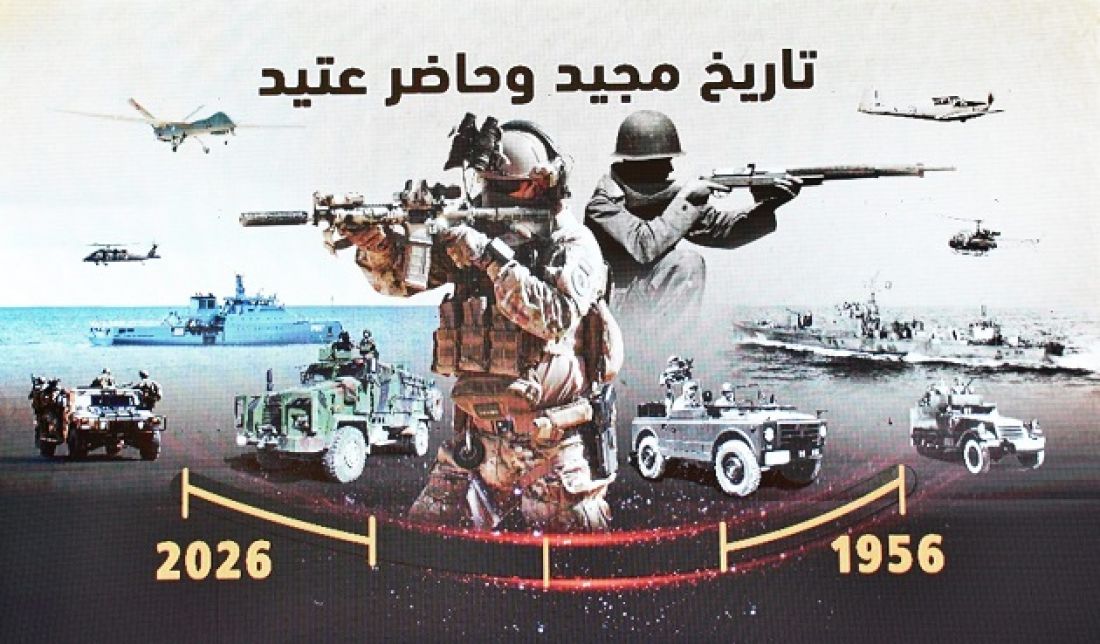
Tomorrow, Wednesday, Tunisia will commemorate the 70th anniversary of the emergence of the National Army, which was established on June 24, 1956, that is, about 3 months after the country’s independence, in order to secure it from the remnants of French colonialism, especially in the events of Saqia Sidi Youssef (border area with Algeria, Kef Province) on February 8, 1958, the Battle of Remada (Tataouine Province) on May 25, 1958, and the Battle of Evacuation. Bizerte, which broke out on July 19, 1961, ended the last strongholds of the colonizers, and culminated in the removal of the last French soldier from Tunisian territory on October 15, 1963, granting Tunisia complete independence and full sovereignty over its lands. The anniversary of the emergence of the National Army is commemorated annually, as a reminder of its exploits in defending the sanctity of the homeland, preserving the integrity of its territory, enhancing its security and stability, preserving its republican system, protecting its institutions, and preserving its gains from any danger or internal or external aggression, by confronting organized crime, smuggling, human trafficking, combating terrorism, and irregular migration, in addition to its interventions in the field of development, rescue, and fire suppression, as well as securing exams, elections, and others. The Tunisian Armed Forces also joined in 1960, four years after independence, as part of the United Nations peacekeeping forces, after the late President Habib Bourguiba decided to send 3,000 soldiers to the Congo, which was experiencing a civil war at the time. This participation would mark the beginning of a strong process and partnership with the United Nations in the service of international peace and security that has exceeded 60 years. Since that date, the Tunisian army has participated in 26 UN missions in various parts of the world, with a total of more than 15,000 soldiers of both sexes. Its participation continues to this day within the UN mission in the Central African Republic, through the deployment of more than 800 soldiers distributed in each of a rapid intervention helicopter unit, a light infantry corps, and a military air transport unit. The activities to commemorate the seventieth anniversary of the emergence of the National Army began with the organization of a documentary exhibition from June 20 to 26 in the capital, which reviews, through its various wings, the main, circumstantial and complementary tasks undertaken by the military institution, and documents its role in supporting the national effort for comprehensive development, especially through reviving the desert areas and developing the south through the Rajim Maatouq and Al-Muhaddath projects in the state of Kebili, in addition to the opportunities provided by the military vocational training system for developing human resources. And the provision of specialized manpower, as well as the role of military health in strengthening the national health system. National service: rehabilitation and development of capabilities. Since independence, Tunisia has established compulsory national service for a period of one year for every citizen who has reached the age of twenty years, provided that he automatically applies for its performance through direct military service to meet the needs of the national army, or in the form of national service outside the units of the armed forces, in response to the needs of comprehensive defense and the requirements of national solidarity, with ministries, local groups and public institutions, or within the scope of Individual appointments that may include freelancers, private individual projects or within the framework of technical cooperation. Military service provides Tunisian citizens with skills and experience in areas related to military work, the arts of leadership, combat, throwing weapons, training, and physical fitness. It also develops in him the strength of character and self-reliance so that he is prepared to defend the homeland’s possessions and participate in the comprehensive development of the country, especially since the Tunisian Constitution stipulates in Chapter 14 that “defending the homeland’s possessions and its safety is a sacred duty for every citizen.” Since independence, national service has represented the backbone in supporting the defense system and consolidating the military doctrine, by instilling the spirit of discipline, honor, sincerity and loyalty to the homeland, serving and defending it, and protecting its legitimate institutions and gains from any danger or internal or external aggression. The Ministry of National Defense is keen to address the phenomenon of reluctance to perform national duty, according to a strategy based on supporting youth confidence in national service, highlighting its benefits and advantages, refuting the prevailing belief that it is merely a punishment, and considering it a sacred and useful national duty. The Ministry is also searching for new forms of national service that provide young recruits with an opportunity to carry out an activity that qualifies them and develops their abilities and skills, and allows optimal investment in the energies and capabilities that the military institution abounds within the framework of the military vocational training system. The Three Armies: An impenetrable fortress that defends the homeland. The National Army forces consist of three main armies: the “Land Army,” which is responsible for securing land borders, combating terrorism, and rapid intervention, the “Sea Army,” which is tasked with protecting the coasts and territorial waters, monitoring maritime borders, and combating smuggling and irregular migration, and the “Aviation Army,” which specializes in securing Tunisian airspace, reconnaissance operations, and air support for the land and naval forces. The Land Army is working to develop new programs to keep pace with developments and increase the operational capabilities of its personnel and the readiness of its combat units, by modernizing its structures, weapons and mechanisms, modernizing its infrastructure and facilities, and developing the level of training and effective logistical support, so that it is able to confront threats and carry out tasks with precision in any circumstance and in any place, whether it is related to fighting terrorism, securing borders and protecting national sovereignty, or securing major national appointments, production sites and sensitive points. Intervening to confront natural disasters and carrying out rescue and rescue operations when necessary. To protect the country’s coastal strip, the Sea Army focused its efforts on developing the operational capabilities of the floating units and the naval vanguard forces, by equipping them with the necessary and advanced equipment so that they can carry out their tasks and intervene when needed along the coastal strip, and carry out surveillance and inspection of ships and boats using fast intervention boats, and participate in anti-terrorism operations and confront smuggling crimes across the sea. As for the Aviation Army, it is working to defend the sovereignty of Tunisian airspace, by developing and renewing the air defense radar system, strengthening its fleet with new transport aircraft and tactical training aircraft, relying on smart weapons and ammunition, and providing the necessary air support to the rest of the military units, while seeking to renew and modernize the fleet in order to preserve the readiness of the air units in dealing with various threats and variables. The military institution: a distinguished role in promoting development. Overall…the National Army plays a vital and strategic role in supporting the comprehensive development path in the country, and supporting the civil authority in preserving national gains. In addition to laying roads and bridges in rugged areas, highlands and desert areas, building medical clinics and maintaining some national and historical monuments, the Ministry of National Defense has invested in sustainable development projects of a civilized and exemplary nature, by reviving deep desert areas and providing all basic facilities that facilitate the lives of the people of these areas and ensure their lives. Ingredients for decent living. The experience of the Regim Maatouq Development Bureau (established pursuant to Law No. 145 of December 31, 1988), whose name was later changed to the “Rejim Maatouq Development Bureau for the Development of the South and the Sahara,” according to the issuance of Order No. 247 dated May 8, 2025, is considered a serious exemplary development experience, reflecting the role of the military institution in supporting the national development effort, breaking the isolation of some remote areas and integrating the marginalized and the least. Good luck in development options. Pursuant to the above-mentioned order, the Bureau’s coverage and scope of intervention were expanded. In addition to its primary role in contributing to the implementation of development and revival projects in southern Tunisia and the Sahara, in cooperation and coordination with relevant ministries, local groups, institutions and public facilities, and the development of water resources, oases, agriculture, desert vegetation and livestock breeding, the Bureau also undertakes the development of alternative and renewable energies, supports desert tourism and healing with natural waters, preserves biodiversity and protects threatened wild plants and animals. extinction, and the development of industries based on local materials, especially the crystal, gypsum, materials and pharmaceutical industries. Training and industrialization: a strategic military option. The National Defense Foundation supports the state’s efforts to provide a specialized workforce in various fields and diverse specializations, by motivating young people to pursue vocational training within the framework of national service, through three training programs: vocational training, vocational training, and vocational rehabilitation, which are identical in content to what is being done in the national vocational training centers affiliated with the Ministry of Employment and Vocational Training. The vocational training system includes 13 military training centers and 11 training workshops, with a total capacity of 2,000 seats annually. It was strengthened by the Vocational Training Foundation in Diving in Zarzis (Medenine Province), which opened its doors to receive trainees at the beginning of the year 2025, as well as the project of the Military Center for Multidisciplinary Vocational Training in Sidi Bouzid, which will be ready to receive trainees at the beginning of the year. Next formation. The military institution also engaged in the military industrialization program, within the framework of supporting the national production system, with the aim of developing the operational capabilities of the armed forces and reducing defense expenditures, which rose due to the increasing needs of the military institution, and coincided with the deterioration of the dinar exchange rate with the complexity of acquisition procedures and long delivery deadlines that sometimes exceed 3 or 4 years, which makes military industrialization a strategic option given the importance of its security, technical and economic reasons. On October 14, 2021, the Ministry of National Defense announced that the General Administration of Rolling Equipment and Fuel (specialized in the management and maintenance of the army’s land fleet) was able to conceive and manufacture the first model of a military vehicle, called “Barb” after the Barbary horse, which is a mine-resistant armored personnel carrier, relying on its own competencies and specialized human resources. The experience of manufacturing the first Tunisian-qualified naval guard, “Istiklal B-201” (it entered service in 2015, weighs 80 tons, is more than 27 meters long, and travels at a speed of 25 knots per hour), demonstrated the abounding of military and civilian talents in Tunisia in general and the military establishment in particular, which made it possible to reduce the cost (from 15 million dinars in hard currency to 6.5 million Tunisian dinars). It was later possible to manufacture 6 naval vessels, 25.5 meters long, for the benefit of the sea army, and work is currently underway to manufacture a 52-metre-long naval sentry that will be ready at the end of 2026. Tunisia, through the military industrialization strategy in which the military institution has engaged, is looking forward not only to meeting the specific needs of the armed forces, but also to strengthening partnership and integration between the public and private sectors, and creating new development opportunities through investment in promising sectors, in addition to contributing to the creation of new job opportunities. And support scientific research and technological development, to add value to the range of value-added military services and gains.

