


اخبار سوريا اليوم – وطن نيوز
سوريا اليوم – اخبار سوريا عاجل
W6nnews.com ==== وطن === تاريخ النشر – 2024-02-05 13:10:36
The “resistance” axis is not good, despite the media bragging, rhetorical displays, and resonant slogans. It is an axis in crisis, from its leaders in Iran, through its agents, “Hezbollah” in Lebanon, “Hamas” in Gaza, the “Hezbollah” Brigades in Iraq, and the Iranian militias in Syria, all the way to… The “Houthis” in Yemen, and it seems that the slogan “unity of the arenas” has turned into “humiliation of the arenas,” but it is clear that this axis does not acknowledge its crisis and losses.
After the Iranian leaders were proud of their control over four Arab capitals, their goal became to maintain some of their influence there as a result of the strikes their militias received here and there.
What is most ridiculous is the exposure of the falsity and deception of this axis after the Gaza War, as all components of this axis devoted themselves to protecting its head instead of liberating Palestine from the “usurping Zionist entity,” as they call it, and Iran began offering its militias as sacrifices on the altar of deals and settlements, and it does not seem that there is anyone He wanted to buy, and the scene looked as if there had been a major international decision to “clip” these military wings that Iran is using to destabilize the Middle East, hoping for gains here and there.
Painful blows
The game and the role played by the Iranian regime in the region have been exposed. It is not able to fight any war, nor does it want to do so. It tried the strategy of support fronts through its militias, which almost got it involved in a major war. Rather, it suffered heavy losses and became vulnerable to pressure in its countries, which we will talk about in detail.
The beginning is in the Gaza Strip, where the mother of all battles is taking place between Israel and the “Hamas” movement. It is no secret that the movement considers itself affiliated with the “resistance” axis, and is affected by the Iranian decision that arms and trains its members, and thus the loss or victory of “Hamas” will be calculated as a result of the axis as a whole, and the journalist confirms Ali Hamada, that there is no doubt that the Palestinian factions are facing great ferocity, and perhaps the Israeli losses in the urban and street war being waged are relatively large.
But it is also true that the Israeli army is expanding its control over the land, despite the stifling political crisis in Tel Aviv, and the escalation of the “occupation” wars being waged by the “axis of resistance” from Lebanon, Syria, Iraq, and Yemen.
In his interview with Al-Hal Net, Hamada points out that, apart from the “propaganda” of “resistance,” the Israeli ground advance is continuing, according to the military maps published by specialized websites, to the extent that the northern governorates of the Strip have generally fallen, and Khan is being closed in. Yunus, strangling the four camps in the middle.
On the other hand, if Iran and the “opponents” rely on the pressure exerted on Israel by its allies, most notably the United States, then it does not yet rise to a level that can twist Israel’s arm and force it to end the war at this point.
As for the greatest loss for Iran and its axis, it will be at the end of the battles in Gaza, and the expulsion of “Hamas” from the Gaza Strip. Then it can be said that the political repercussions will not stop at the Gaza borders, but rather will be double: First, it will lose the conflict card with Israel through which it covers its expansionist sectarian project. Secondly, the research will begin by disengaging its military arms from this conflict.
Iran is at a crossroads
It has become logical, after 5 months of the Gaza War, to raise question marks over the strategy of the “resistance” axis in waging wars and the concept of profit and loss. It is true that “Hamas” succeeded last October 7 in achieving a military achievement through the “Al-Aqsa Flood” operation, but did Did she expect this price?
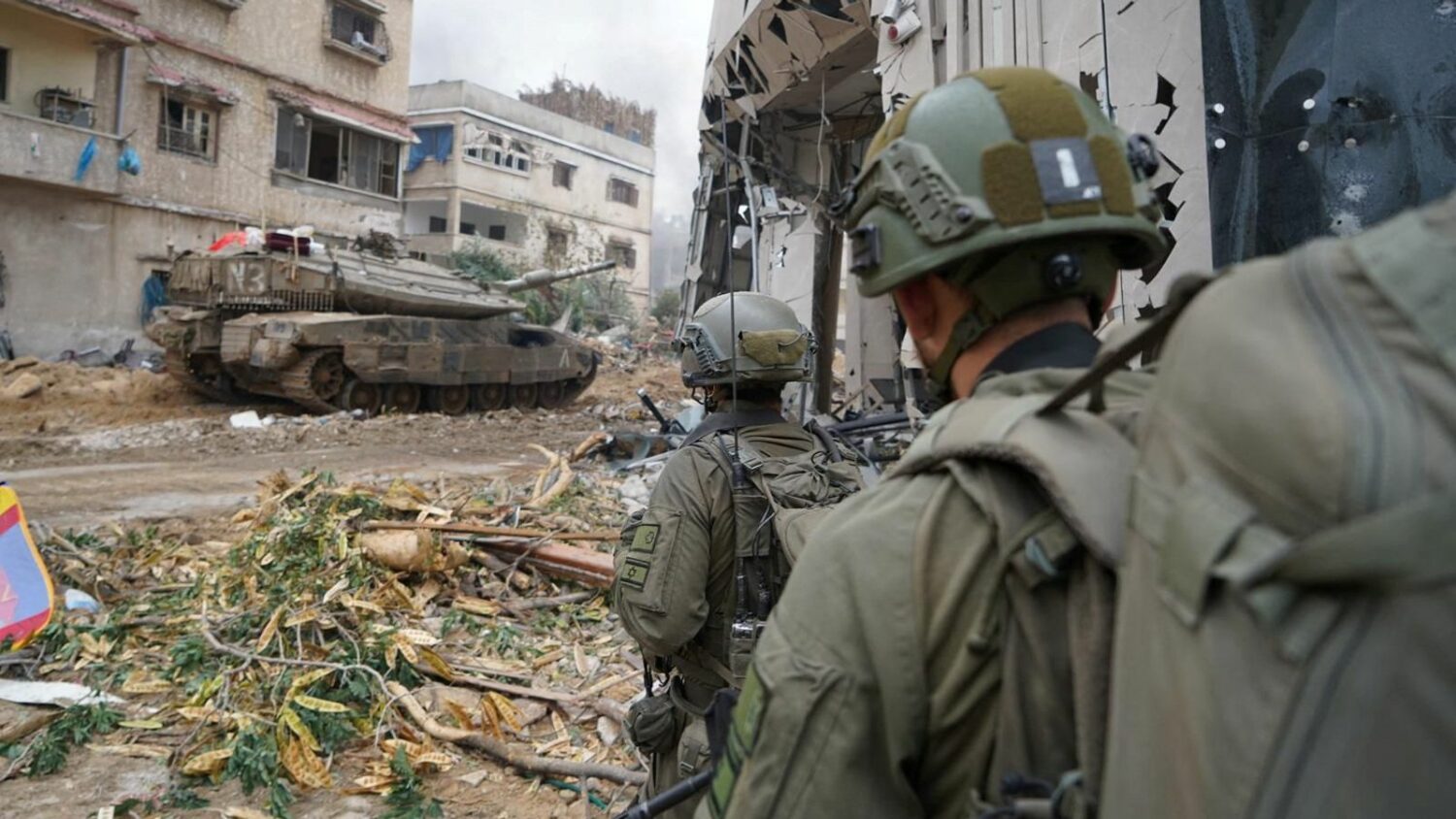
No human mind can consider the results of this war a victory for Hamas, and the numbers speak for themselves: at least 9 Palestinians are killed every hour, and 27,238 victims fell within 120 days, about 75 percent of whom are children and women.
In addition to about 7,000 people missing, most of them under the rubble of residential buildings destroyed by the Israeli army. It seems that the casualty numbers are likely to increase, due to the presence of 66,452 injured people, including 11,000 seriously injured that require travel abroad to receive treatment in order to save their lives. The number of displaced people reached about 2 million, and nearly 70,000 housing units were completely destroyed, and another 290,000 units were partially destroyed!
Did Hamas leaders think, even for a moment, that Iran was using them for reasons of strengthening its influence and regional position? Rather, it was using the geopolitically valuable Palestinian card to put pressure and improve the Iranian regime’s positions and shares in the region in the direct and medium term? If they were sincere in their cause, they would cut all ties with this system that is far from human rights, justice, democracy, and the right to self-determination.
Hezbollah on the southern Lebanon front is no better off than Hamas in Gaza. Since October 8, it has wanted to preoccupy the Israeli army with the aim of relieving pressure on its ally, Hamas, but it quickly found itself embarrassed and receiving blows one after another.
Real losses for Hezbollah
According to the representative in the “Lebanese Forces” party who refused to reveal his name, the “party” feels extremely embarrassed about its environment, which holds it responsible for entering the Gaza war on the day following the “Al-Aqsa Flood” operation, contrary to all its promises and pledges after the July 2006 war that it would not He attacks Israel and will always be on the defensive and react to any Israeli action.
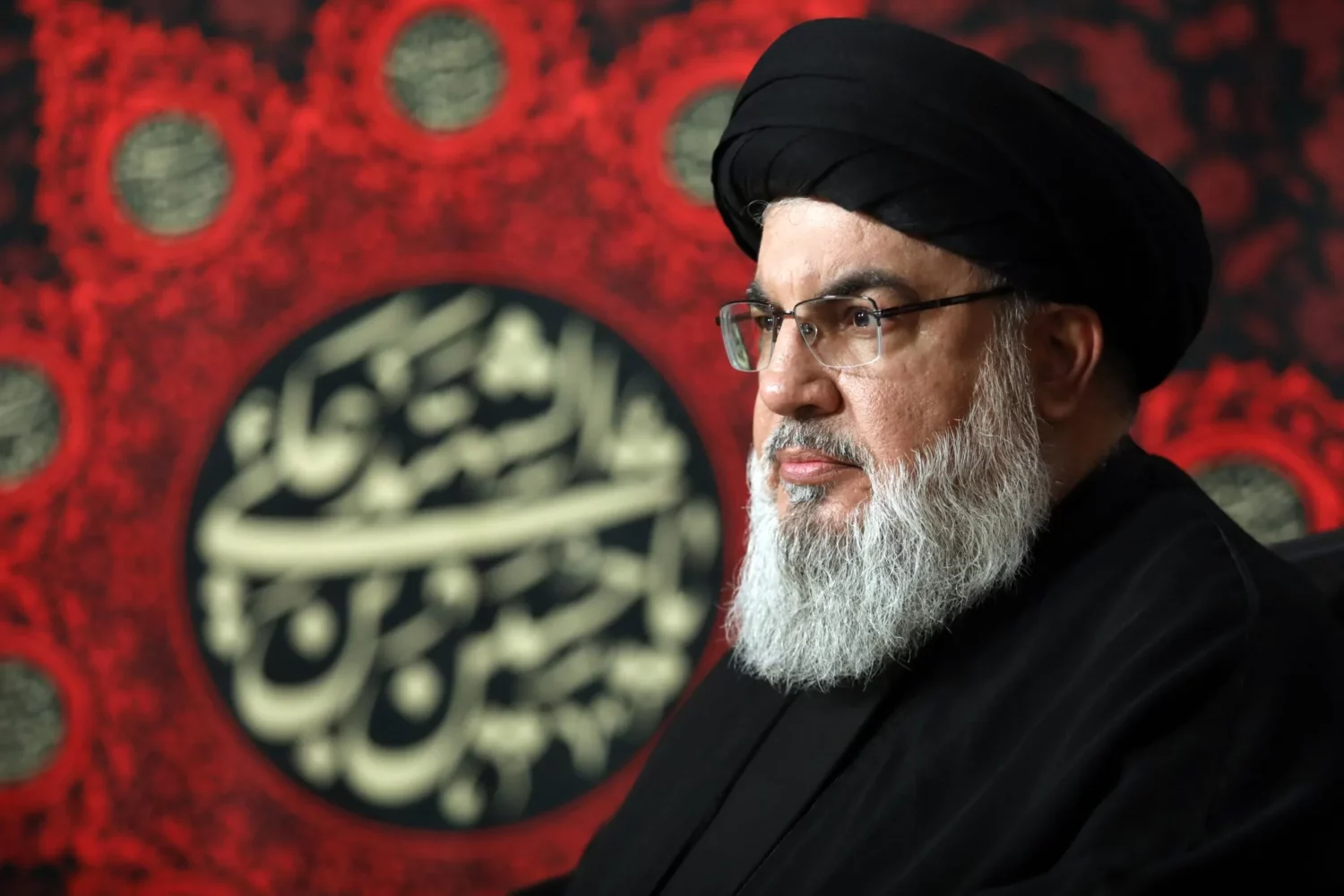
The Shiite environment takes the words of the “party” leadership seriously, and after it pledged that it would not initiate war, the Shiite environment reinvested in its towns and built homes and projects. The war that the “party” started destroyed everything, displaced people, and threatened wider destruction, and there is widespread Shiite resentment. Do not appear on the media and say clearly, “We would have been an arbiter with the party if Israel had initiated the war. As for the party that initiated it, we are against killing our people again, destroying our villages, and paying our people regional bills that we have no ability to pay.”
Secondly, the “Party” was surprised by the heavy human cost of what it called the War of Occupation. It did not expect the heavy losses in its ranks due to technological superiority, and the war of attrition turned into a major loss for it, and with it increased popular resentment over the human losses and their regret over the loss of their best youth in a war that the “Party” made a mistake. “By slipping into it, and this is what exacerbates the resentment against him.
Third, and according to the MP’s statement to Al-Hal Net, the Gaza war has toppled Hezbollah’s entire narrative from the unity of the arenas to the balance of terror, and what is between them is weaker than the “web of the spider,” and that if it had not initiated the war on October 8, it would have initiated Israel, and even the “resistance” crowd, tells him loud and clear that he made a mistake and that his position would have been much stronger, both Lebanese and external, if it had waited for Tel Aviv to take the initiative and not the other way around.
However, if Hezbollah considers that it has achieved an achievement by displacing Israeli settlers from northern Israel, the displacement also included the people of southern Lebanon, which is considered a political, security, and economic burden on both parties.
What is noteworthy is that Hezbollah’s biggest loss after its involvement in the war is that no one, whether Israel, the international community, or any Lebanese party, would have demanded that it implement Resolution 1701 before October 7, while today it is under intense pressure to implement this resolution.
Here, the Lebanese MP, Shawqi Al-Dakash, believes in his statements to Al-Hal Net that the contents of the international resolution must be implemented quickly to keep Lebanon away from all-out war, with the need for the “party” to implement the Lebanese interest and withdraw from the south of the Litani, with the necessity of deploying a large army. Exclusively Lebanese, in addition to international peacekeeping forces, noting that there are 4,000 Lebanese army soldiers deployed on the southern Lebanese border.
Meanwhile, the military expert, retired Brigadier General George Nader, is surprised by the talk about “the unity of the battlefields” after all these failures, and wonders about the effectiveness of the skirmishes along the southern Lebanese border, with the option of all-out war aside, which led to the weakening of the concept of the unity of the battlefields, and this applies to the battlefields. Others seem ineffective.
For his part, the representative in the Lebanese “Coalition for Change” bloc, Mark Daou, confirmed during his statement to “Al-Hal Net” that the balance of terror and deterrence capacity on the supporting “resistance” fronts appears to be missing. Rather, the Israelis achieved, through their attacks and responses to the “resistance” factions, the absence The deterrent force and their willingness to adopt a destructive approach and double the extent of the harm.
The myth of resilience has ended
At the level of the Syrian support front, Damascus did not even dare to issue a statement of solidarity with Hamas, and the Secretary-General of Hezbollah, Hassan Nasrallah, justified it at the beginning of the war by saying that he had countless problems and it was enough for him to remain steadfast, knowing that Lebanon’s problems are no less serious than Syria’s, and the “party” did not take into account the situation of the Lebanese people, and here is the point!
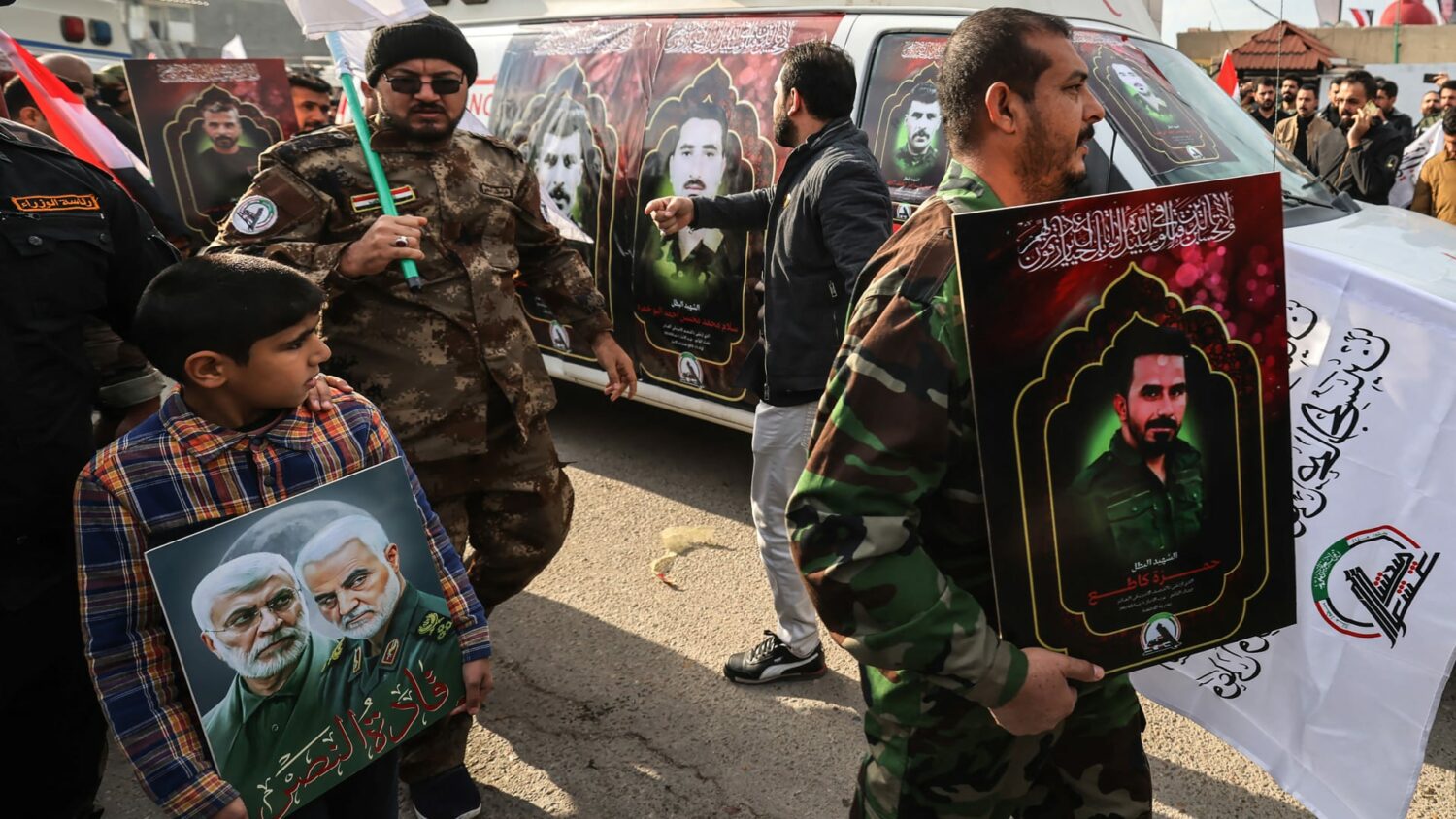
But the Syrian front was not calm, as the Iranian militias there, the most important of which were the Iranian “Revolutionary Guard” and the “Quds Force,” targeted American military bases there, and Iranian-backed Iraqi militias such as the Iraqi “Hezbollah” launched strikes on American bases, but these They were exposed, and Israel launched precise strikes against them, targeting key leaders from the first ranks of the Iranian Revolutionary Guard.
The irony is that Iran and its militias bring misfortunes and disasters upon themselves. After the security understandings that protected them before the Gaza War, they seem to have fallen after it, and the assassination of Iranian and Lebanese military leaders with air strikes or missiles has become possible, and the policy of brinkmanship that the “resistance” axis has always mastered is no longer working. Washington’s demand for Tehran to withdraw its soldiers and advisors from Syria has become a more urgent and serious demand.
There is no doubt that there is an American green light for Tel Aviv, in order to put military pressure on Tehran so that Hezbollah and Ansar Allah (the Houthis) agree to a ceasefire on the Lebanese and Yemeni fronts, to make the Western efforts led by the United States, with the help of Qatar, a success. And Egypt, thus opening the promised peaceful paths.
Israel inflicted heavy losses on Iranian militias in Syria after killing the military official of the Quds Force, Radhi al-Musawi, and then assassinated the head of intelligence in the Revolutionary Guard, Hajj Sadiq Mirzadeh, his deputy, and a number of Iranian and Iraqi officials, with a similar air strike in the Mezzeh suburb of Damascus. Then, it killed the advisor in the Revolutionary Guard, Saeed Ali Dadi, with an air strike.
But the hair that broke the camel’s back was that the Iranian militias in Iraq targeted an American military base in Jordan, killing 3 American soldiers and wounding dozens, so the red lines fell, and the American administration decided to discipline these militias in Syria and Iraq, so they bombed dozens of their sites, causing direct casualties.
“The Houthis” and the false narrative
It seems that the strikes will not stop as long as there are terrorist operations against American interests in the Middle East, and what can be concluded is that the strategy of the “resistance” axis, which was claiming that it expelled the Americans from the Middle East, brought the Americans back from the wide door with all their naval fleets and their allies armed with non-conventional weapons, so where are they? I wonder if this axis will win?
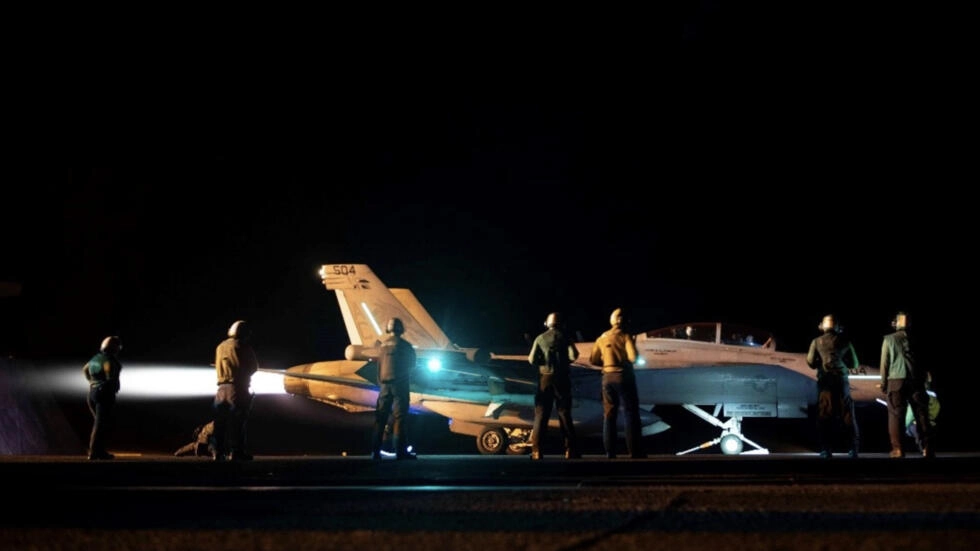
On the other hand, the issue of the “Houthis” in the Red Sea and their piracy of international navigation and their threat to global trade under the pretext of supporting the Palestinian people is highlighted, which is nothing but a big lie, because it does not affect at all the conduct of Israeli military operations in Gaza and will not change the course of the war.
From here, the “Houthi” movement can only be understood as an Iranian operational order to gain more negotiating cards against the United States of America and achieve geopolitical goals in the region, knowing that the “Houthis” crossed red lines, which necessitated the formation of a large international military coalition against them, and American military strikes began. The British attack on them, according to a bank of goals, weakened the Houthis’ military capabilities, knowing that the Yemeni interior is unable to bear the consequences of any war or military operations again.
The expert in national security and international relations, Major General Muhammad Abdul Wahed, indicated in his interview with Al-Hal Net that the “Houthis” have not achieved any gain so far other than receiving strikes on their strategic sites linked to deeply buried weapons storage facilities, missile systems, launch pads and air defense systems. And radars.
In addition to the killing of more militia members and the imposition of US sanctions on 13 individuals and entities responsible for providing tens of millions of dollars in foreign currency resulting from the sale of Iranian goods and shipping them to the Houthis.
The support fronts in Lebanon, Syria, Iraq and Yemen are bringing woes to their countries. In fact, they are Iranian battles, after Tehran tried to suggest that the unity of its areas of influence be directed in support of the Palestinians in the Gaza Strip, but the military skirmishes of the Iranian arms in the region did not advance or delay in the absence of a balance of military capabilities or equal battles. .
The strategy of the Iranian military arms and their imaginary victories, that the Lebanese “Hezbollah”, the Iraqi “Hezbollah”, the Iranian “Revolutionary Guard” in Syria, and the “Houthis” in Yemen, are causing death and destruction in the countries in which they are fighting, and what is strange is their concept of victory, which is It was reported that Israel and the United States did not achieve their goal of eradicating “resistance.”

