
اخبار ليبيا اليوم – وطن نيوز
اخر اخبار ليبيا- اخبار ليبيا الان
W6nnews.com ==== وطن === تاريخ النشر – 2026-06-06 01:33:00
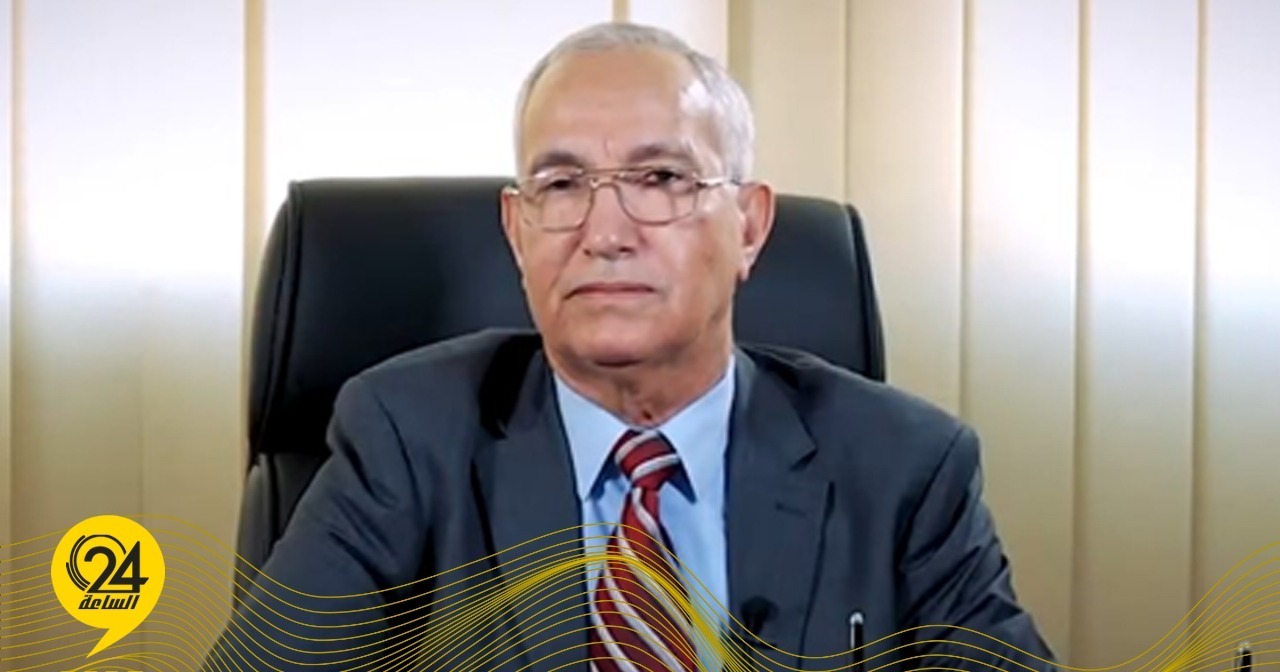
Former member of the Board of Directors of the Central Bank of Libya, Dr. Maraji Ghaith, confirmed that the recent rise in oil revenues cannot be considered an indication of a structural improvement in the Libyan economy, indicating that reading financial numbers in isolation from the general economic context may lead to misleading conclusions about the reality of the economic conditions in the country. Ghaith explained, in an interview with “Libya Al Hadath” channel, monitored by “24 Hour”, that the Libyan economy faces a number of complex challenges despite recording high oil revenues, pointing out that approximately four billion dollars in oil revenues, in addition to the fuel import bill estimated at about one billion dollars, come in light of continuing economic pressures and the fluctuation of the dollar exchange rate in the parallel market, which has reached about 8.37 dinars, which raises serious questions about whether the economy is witnessing a state of crisis. Recovery or approaching further decline? He added that the current increase in oil revenues is a temporary and circumstantial increase, and is not the result of a sustainable improvement in production or a structural development in the oil sector. He explained that this increase was linked to international geopolitical conditions, especially the crisis resulting from the war between Iran and the United States, which was directly reflected in energy prices in global markets. In this context, Ghaith stressed that the rise in revenues does not necessarily mean the possibility of spending them in full, explaining that the state is bound by the spending ceiling specified in the budget approved by the authority. He pointed out that any revenues exceeding this ceiling, which is estimated at approximately 170 billion dinars according to the approved financial arrangements, cannot be disposed of outside the legal and official frameworks even if they have actually entered the public treasury. He also explained that this approach is consistent with the recommendations of the International Monetary Fund, which calls for directing oil surpluses towards financial reserves and savings funds to confront market fluctuations and future crises, instead of pumping them directly into current spending. He stressed that he agrees with this proposal, considering that building strong financial reserves represents a basic guarantee For economic stability in the future. He continued: Libya had previously adopted a policy of setting aside part of its oil surpluses in reserve accounts, but the main problem was the weakness of the legal and supervisory frameworks regulating exchange operations, which today calls for setting clear rules and strict control mechanisms to ensure transparency and good management of these funds. Ghaith warned that the end of the current geopolitical tensions may lead to an increase in oil production by the Gulf countries and other producing countries, which will increase the volume of global supply and consequently lead to a decrease in prices. According to the rules of supply and demand, which requires Libya to prepare from now for such a scenario through precautionary financial policies, he called for rationalizing public spending and not directing oil surpluses towards unnecessary expenses or expanding operational spending, stressing that adherence to the approved budget and investing surpluses in a thoughtful and responsible manner is the best option to maintain financial stability in the long term. Ghaith pointed out that the public budgets in Libya during the past years were characterized by a clear consumer nature, explaining that talk about budget recovery in numbers remains. It is widely debated in light of the continued almost complete dependence on oil revenues and the absence of an effective development role in the structure of public spending. He pointed out that the temporary improvement in revenues does not necessarily reflect on the living conditions of citizens, pointing out that purchasing power is still suffering from great pressures, while some believe that the general financial situation is approaching a state of collapse in terms of its direct impact on the lives of citizens and standards of living. He pointed out that the real question is not only related to the size of revenues, but also to the nature of their employment, wondering whether public budgets were actually designed. To revive the economy and achieve sustainable development, or is it focused only on covering operational expenses, especially the salaries of the bloated public sector, without having a clear investment vision that supports economic growth? He pointed out that the salaries and support items account for the largest portion of public spending, explaining that the escalating controversy over fuel subsidies reflects the size of the burden represented by these items, which may consume more than 80 percent of the total government spending, leaving a very limited margin for development and investment spending. He stressed that development projects are often the first victims of financial crises. They are frozen or stopped when oil revenues decline or crude prices decline, while basic operating expenses continue without significant change. He added that the reduction in spending may sometimes affect some items that can be postponed, but development projects always remain the most affected, despite their pivotal role in creating job opportunities, stimulating economic activity, and diversifying sources of national income. He explained that consumer spending does not create sustainable economic value, and does not contribute to expanding the tax base or increasing state revenues, unlike development projects that enhance the productive economy and provide greater opportunities for growth In a related context, Ghaith criticized the limited interest in the private sector, considering that it constitutes one of the most important sources of revenues and economic development. He pointed out that Libya previously had specialized financial institutions, including the Development Bank, the Rural Bank, the Agricultural Bank, and the Internal Investment and Real Estate Bank, calling for their restructuring and activating their role in financing economic and productive activities. He also stressed the importance of providing financing to citizens and small and medium enterprises, which contributes to moving the wheel of the economy and reducing excessive dependence on the public sector. Regarding the fuel subsidy issue, Ghaith described the issue as one of the most important The economic files are complicated in Libya, considering that the country has slid into this path since the late 1960s, and that the complications of the file have accumulated over time until it has become more difficult to get out of it. He considered that successive governments preferred to postpone addressing the file instead of taking bold decisions, attributing this to the nature of the relationship between public spending and political legitimacy, as increasing spending enhances the popularity of governments, while reducing or restructuring it may lead to negative political and social reactions, stressing that the current fuel subsidies reach, in some estimates, approximately 100 percent of the actual cost, or more than 97 percent of it, which makes the citizen obtain fuel at symbolic prices that do not reflect its real value. He added: This situation creates a huge economic waste, citing the possibility of filling a full car tank for no more than five dinars, or less than one dollar, to travel long distances that may reach 500 kilometers, which is something that does not exist in any normal economy around the world. Despite most experts agreeing on the necessity of reviewing the fuel pricing policy, Ghaith explained that the challenge does not lie in… The theoretical aspect, but rather in the ability to implement reforms practically in light of the high social sensitivity of this issue. He pointed out that governments hesitate to make decisions related to raising or modifying subsidies for fear of popular reactions, but at the same time he stressed the necessity of starting gradual and deliberate steps to correct prices. He cited the period between 2010 and 2011, explaining that the price of a liter of fuel at that time was around 20 piasters, even though salaries were much lower than they are today, wondering about the reasons for not reviewing prices in a manner commensurate with them. He also pointed out the economic changes that the country has witnessed during the past years, indicating that there is a major defect in the collection and distribution system, noting that supervisory reports spoke of the loss or wastage of more than half of the value of fuel as a result of smuggling, mismanagement, or behavior by various parties, whether civilian or military, which weakens the ability of the competent authorities to actually collect. He criticized the continued financial bleeding, stressing that reforming the collection and distribution system must precede any fundamental adjustment in prices, because the establishment of an effective pricing policy in light of this. An uncontrolled system will lead to limited results. He called for adopting gradual solutions that take into account the social dimensions, especially in the remote areas and southern Libya, where transportation and living costs are higher than the rest of the regions. He also warned that any ill-considered reform may lead to an increase in internal migration towards the northern cities, as a result of the high costs of living and the difficulty of providing services in remote areas, stressing that ending subsidies suddenly or stopping the import of fuel is not a realistic option, calling for the development of organized and gradual alternatives that maintain economic and social stability at the same time. He added that the current crisis is not related to the lack of supplies or the cessation of imports, as the state spends approximately one billion dollars per month on importing fuel, which means that the main problem lies in the distribution and smuggling systems more than in the supply process. He also touched on the existing controversy between the National Oil Corporation and the Brega Oil Marketing Company, in addition to the multiplicity of intermediary agencies and companies operating in the supply and distribution system, considering that this administrative interconnection raises many questions about the efficiency of the current structure Intermediaries between the producer and the consumer, wondering about the feasibility of multiple companies that deal with a single source and a unified product, at a time when many countries depend on specialized companies characterized by the diversity of products and services. He believed that this institutional complexity contributes to the production of recurring crises within the sector, indicating that some of these crises may be used indirectly to influence public opinion and push it towards accepting the idea of adjusting fuel prices, although he does not believe that there is a direct government policy in this direction. On the other hand, Ghaith acknowledged that there are real fears among citizens about any possible reform in fuel prices, referring this to Weak confidence in state institutions, the spread of corruption, and weak oversight. However, he stressed that the continuation of the current situation is no longer a sustainable option, calling for the adoption of a transitional policy based on a gradual shift from commodity support to direct cash support over a period ranging between three and five years. He explained that successful international experiences in this field have relied on gradual steps that often began with reforming gasoline prices as it has the least impact on productive activities compared to other types of fuel. He also stressed the necessity of providing direct cash support to vulnerable groups through transparent mechanisms that ensure it reaches those who deserve it without intermediaries, suggesting that. The Ministry of Finance is responsible for transferring this support directly to citizens. He pointed out that identifying vulnerable groups depends on the extent of families’ ability to meet their basic needs, explaining that current estimates may range between 40 and 60 percent of the population, which reflects the expanding size of the segment in need of support. He added that the shift towards cash support could provide eligible families with annual amounts ranging between 15 and 21 thousand dinars according to approximate estimates based on the volume of current spending on fuel, but he stressed at the same time that the success of this policy requires the presence of precise and timely implementation mechanisms. Preparatory work may extend to a full year before implementation begins. Ghaith concluded his speech by emphasizing that the success of any economic reform requires achieving a balance between social justice and economic efficiency, calling for building a more targeted and transparent support system, based on directing resources to those who truly deserve them, instead of continuing the current model based on comprehensive support and the accompanying financial waste and chronic economic imbalances.