
اخبار السعودية – وطن نيوز
عاجل اخبار السعودية – اخبار اليوم السعودية
W6nnews.com ==== وطن === تاريخ النشر – 2026-07-10 00:33:00
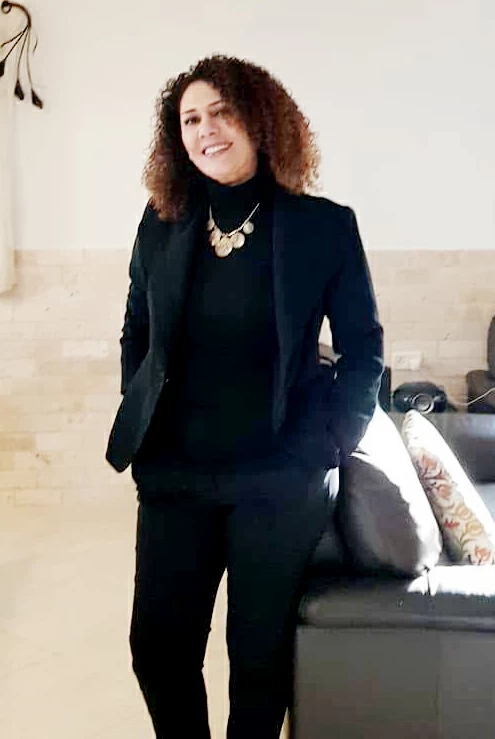
منذ التقطت عيناي مقتطفاً مُصوّراً لها وهي تقرأ إحدى قصصها، فزّ الحسّ الصحفي متحفزاً للتواصل مع كاتبة فلسطينية بحضور ومهنيّة القاصة الشابة شيخة حسين حليوى، كونها ابنة أرض تسكننا جميعاً، ولأنها امتداد لوشائج عقدتْ حبال وعينا بنصوص محمود درويش، وسميح القاسم، وفدوى طوقان، وتوفيق زياد، ولذا لم أتردد في الاستجابة للخاطر، مثلما لم تتردد هي في الإجابة عن أسئلتي، فإلى نص الحوار:• من أين انزرعت نواة الكتابة في داخلك؟•• قبل عام تقريباً كنتُ أقرأ وأناقش إحدى قصصي عبر «الزووم» مع مجموعة من القرّاء، كنتُ في بيت أمّي الّتي أقسّم وقتي بين بيتها في قضاء حيفا وبيتي في يافا. سمعتها تقول بصوتٍ واثق: «لو تعلّمتْ الكْرايَة (القراءة) والكتابة جان كتبت قصص أحسن منّج!»، يبدو أنّ النّواة موجودة لكنّ العادات والتقاليد البالية حرمت أمّي وغيرها من بنات جيلها القراءة والكتابة، قد دفنت هذه النّواة عميقاً تحت طبقات من العيب والحرام. أبي حسين العليّ كان سيّد مجالس البدو في قريتي والقرى المُجاورة، حكّاء من طراز رفيع، متى قال أوّل كلمة في مجلس الرّجال أو سهراتهم يحلّ الصّمت والإصغاء التّام. كان له حضور طاغٍ وقدرة على حبك القصص وحياكتها بشكلٍ غير عادي. ربّما أكون قد ورثتُ تلك النواة دون وعي منّي، وفجأة ألحّت عليّ في مفترق مفصليّ من حياتي حينَ أقضّ سؤالَا الهويّة والمكان مضجعي.• متى انقدحت شرارة الكتابة وما أبرز محفزاتها؟•• أستطيع أن أحدّد بدقّة متى حدث ذلك. لم أحلم يوماً أن أصير كاتبة كما أنّني لم أكتب خارج إطار عملي لسنواتٍ طويلة في التدريس ولاحقاً في الإرشاد والتطوير، أقصد لم أكتب نصّاً أدبيّاً واحداً. حدث الأمر دفعة واحدة؛ كتابة دون توقّف شعراً ونثراً، انهمرت الذّاكرة دفعة واحدة كمن يترك وصيّة مُهمّة قبل أن يرحل. كنتُ أنهي عملي وأدخل غرفتي وأكتب ما تمليهِ عليّ الذّاكرة. الكتابة عندي بدأت كنوعٍ من المواجهة مع الذّات، مع الأسئلة الّتي حضرت بعد سنواتٍ من الإنكار والاختباء خلف محاولات الانتماء للمدن الكبرى، يافا وحيفا. ثمّ ما لبثت أن صارت الكتابة طريقتي في مواجهة العالم بكل تناقضاته وظلامه. لأكثر من أربعين عاماً واجهتُ الحياة بالصمت والعمل والدّراسة، وجاءت الكتابة بعد الخامسة والأربعين لتعطي أوجاع الحياة أسماء وعناوين.• ما أبرز الروافد التي استقيتِ من معينها الرشفات الأولى؟•• الطفولة والمراهقة الأولى في قريتي، وكأنّ سنوات إقامتي الطويلة والمُمتدّة حتّى يومنا هذا في يافا، لم تكن حاضرة في كتاباتي الأولى. في المجموعة القصصيّة الأولى «سيّدات العتمة» وكذلك في النصوص الشعريّة «خارج الفصول تعلّمتُ الطّيران»، اللذيْن صدرا في العام 2015، كتبتُ طفولتي ومراهقتي تارة نثراً وتارة شعراً. لم تكن روافد بالمعنى البسيط للكلمة بقدر ما كانت دائرة سجنتُ بعضاً منّي فيها وتركتهُ ظنّاً منّي أنّه مات وانتهى، حتّى عاد على شكل ومضات مقطوعة من السّياق الكبير، سياق «ذيل العِرج» قريتي البدوية الّتي تمّ مسحها ومسح معالمها في العام 1991. كان الحدث يتجسّدُ أمام عينيّ ولا يُفارقني حتّى يجد طريقه إلى الكتابة. أوّل قصّة كتبتها كانت «حيفا اغتالت جديلتي» وهي، كما يُشير العنوان، أعادتني إلى أوّل محاولة اندماج مع المدينة، حيفا، لصبيّة بدويّة تبدأ دراستها الإعداديّة في مدرسة للراهبات في حيفا، ثمّ تغتال حيفا المدينة السّاحرة المنغلقة على تعاليها، تغتال جديلتها ثمناً لتلك المحاولات، لكنّها تكتشف بعد ثلاثين عاماً أنّ الجديلة عادت لتلتفّ حول عنقها. كان عليّ أن أحاورها في مُحاولة لتخفيف قبضتها.• هل تخضع كتابتك لظروف وشروط المكان الذي أنتِ فيه؟•• للمكان تأثير في كتابتي دون شك، خصوصاً في البدايات لكنّه لم يفرض شروطه عليها. أنا ابنة مكان محدّد، له لغته وذاكرته وتفاصيله وجراحه وأفراحهُ كذلك، وكل ذلك يتسرّب إلى النصّ بصورة طبيعية. لكن الكتابة بالنسبة لي ليست استجابة ميكانيكية للمكان، بل هي حوار معه أحياناً، ومساءلة له أحياناً أخرى، وربما تمرّد عليه في بعض اللحظات.أنا أكتب من المكان، لا أكتب عنه فقط. أحمل تضاريسه وأسئلته وأصوات أهله، لكنّني أحاول أن أحوّل التجربة المحلّيّة إلى تجربة إنسانيّة أوسع. لذلك لا أشعر أنني أخضع لشروط المكان بقدر ما أدخل معه في علاقة أخذ وعطاء. هو يمنحني المادة الخام، بينما تمنح الكتابة هذه المادة أفقاً آخر يتجاوز حدود الجغرافيا.• لماذا كانت القصة القصيرة هي المفتتح؟•• لا أعرف إجابة محدّدة، لم يكن ذلك خياراً مدروساً منذ الكلمة الأولى. لكنّني كلّما تطوّرت الكتابة لديّ وجدتُ في القصّة قالباً مناسباً لما أريدُ قوله، سريعاً، مُكثّفاً، وحادّاً.• ألم تغردي بعيداً عن سرب الشعراء الفلسطينيين؟•• لا أعرف إن كنتُ قد غرّدتُ خارج سرب الشّعر الفلسطينيّ، لأنني لا أرى هذا السرب كتلةً واحدة أصلاً. الشعر الفلسطينيّ نفسه متعدّد الأصوات، والتجارب، واللغات والحساسيات. ربما لم أكتب فلسطين بالطريقة التي اعتادها بعض القراء، لكن فلسطين حاضرة في نصوصي بوصفها حياةً يومية، وجسداً، وذاكرةً، ومكاناً، وأسئلةَ وجود، لا بوصفها شعاراً فقط. أنا أكتب، عموماً، من تجربة المرأة البدوية الفلسطينية، من الهامش الذي ظلّ طويلاً خارج مركز السرديّة، وأعتقد أن إدخال هذا الصوت إلى الشعر الفلسطيني ليس خروجاً منه، بل إضافة إليه. إذا بدا صوتي مختلفاً، فذلك لأنني حاولتُ أن أكون وفيّة لتجربتي الخاصة، وليس لأنني سعيتُ إلى مغادرة الشعر الفلسطيني أو التمرّد عليه. الاختلاف بالنسبة لي ليس خروجاً من السرب، بقدر ما هو إثراءٌ له.• هل تغدو الكتابة سلاحاً للدفاع عن الهويّة؟•• ربما تغدو الكتابة سلاحاً للدفاع عن الهويّة في لحظات التهديد والمحو والاقتلاع، لكنّني لا أحبّ أن أحصرها في هذا الدور وحده. الكتابة بالنسبة لي فعل معرفة واكتشاف وجمال وأسئلة ومواجهة مع الذّات، قبل أن تكون أداة دفاع. بالتأكيد، حين تُستهدف هوية شعب أو ذاكرته أو روايته، تصبح الكتابة شكلاً من أشكال المقاومة الثقافية، وتحفظ ما يُراد له أن يُنسى. لكن قيمة الأدب لا تكمن فقط في الدفاع عن الهوية، بل أيضاً في إعادة التفكير فيها، ومساءلتها، واكتشاف طبقاتها الإنسانية المتعددة. أؤمن أن قوة الأدب لا تأتي من كونه سلاحاً فقط، بل من قدرته على أن يحفظ الذاكرة، ويطرح الأسئلة، ويحاوِر الآخر، فالنصّ الأدبيّ الحقيقيّ يظلّ أوسع من أيّ وظيفة واحدة، مهما كانت نبيلة.• ما أبرز مشاريعك الكتابيّة في قابل الأيام؟•• المزيد من القصص!وربّما أخوض تجربة الرّواية، ما أفعلهُ أنّني أتبع ما يُمليهِ عليّ المزاج الكتابيّ.• ما أبرز المعوقات التي تعترض سبيل الكاتب الفلسطيني؟•• نحنُ نكتب وفوقنا سحابة من الخوف، خوف المقموع من القامع، خوف الفرد من السّلطة الجائرة، أن تكتب أو تنتج فنّاً مُلتزماً وعلى عنقك سيف تلفيق التّهم ثمّ بعدها سنّ القوانين التّي تخدم هذه التُّهم. أحياناً كثيرة ليست هناك حاجة لقوانين كي تُتهم أنّك تجاوزتها، يكفي أن يوجد القامع تأويلاً يُناسب عنصريته وإجرامه. لكنّ المعوّقات ليست كلّها أدبيّة بالمعنى الضيّق. هناك أيضاً المعوّق السياسيّ المرتبط بالاحتلال وما يفرضه من قيود على الحركة والتواصل والوصول إلى الفضاءات الثقافيّة العربيّة المختلفة. وهناك أيضاً معركة الرواية، إذ يجد الكاتب الفلسطينيّ نفسه -في كثير من الأحيان- مطالباً بأن يشرح وجوده وواقعه قبل أن يُقرأ بوصفه كاتباً فحسب. إلى جانب ذلك، ثمة تحدّيات تتعلّق بالنشر والترجمة والوصول إلى القرّاء في العالم، وهي تحديات يواجهها كثير من الكتّاب، لكنّها تصبح أكثر تعقيداً في الحالة الفلسطينية. كما أن الكاتب الفلسطيني كثيراً ما يُحاصَر بتوقعات مسبقة، إذ يُنتظر منه أن يكتب في موضوعات بعينها، وكأن هويته الوطنية تحدد مسبقاً ما ينبغي أن يقوله. بالنسبة لي، من أكبر التحدّيات أن أحافظ على حرّيّتي الجماليّة والفكريّة، وأن أكتب نصاً صادقاً وعميقاً، دون أن أقع أسيرة الصورة النمطية التي يرسمها الآخرون لي أو للدور الذي يتوقّعون منّي أن أؤدّيَه.• لمن تقرئين من الكُتّاب السعوديين؟•• أتابع بعض الأصوات الشعرية السعودية الجديدة التي تلفتني بجرأتها اللغوية وقدرتها على تجديد العلاقة مع القصيدة. لا أستطيع أن أحصر قراءاتي في أسماء محددة فقط، لأن ما يجذبني هو النص الجيد قبل اسم صاحبه. يسرّني أن أرى في المشهد الشعري السعودي اليوم أصواتاً شابة تكتب من خبراتها الخاصة، وتبتعد عن التقليد، وتبحث عن لغتها ورؤيتها. أعتقد أن ما يميز كثيراً من الشعراء السعوديين الجدد هو تنوع التجارب والحساسيات الشعرية، والانفتاح على أسئلة الإنسان المعاصر دون التخلّي عن خصوصية المكان والثقافة.• هل وصلتك دعوة للمشاركة في فعاليات عربية؟•• لا.. عدا عبر «الزووم» لبعض الفعاليات والمناقشات.Since my eyes caught a glimpse of her reading one of her stories, the journalistic instinct was eager to connect with the Palestinian writer, the young storyteller Sheikha Hussein Haliwi, as she is a daughter of the land that we all inhabit, and because she is an extension of the ties that bind us to the texts of Mahmoud Darwish, Samih al-Qasim, Fadwa Tuqan, and Tawfiq Ziad. Therefore, I did not hesitate to respond to the thought, just as she did not hesitate to answer my questions. Here is the text of the dialogue:• Where did the seed of writing take root within you?•• About a year ago, I was discussing one of my stories via Zoom with a group of readers. I was at my mother’s house, where I divide my time between her home in the Haifa district and my home in Jaffa. I heard her say with a confident voice: “If she had learned to read and write, she would have written better stories than yours!” It seems that the seed existed, but outdated customs and traditions deprived my mother and others of her generation of reading and writing; this seed was buried deep under layers of shame and taboo. My father, Hussein Ali, was the master of the Bedouin gatherings in my village and the neighboring villages, a storyteller of high caliber. Whenever he spoke the first word in a gathering of men or their evenings, silence and complete attention would prevail. He had a commanding presence and an extraordinary ability to weave and craft stories. Perhaps I inherited that seed unconsciously, and suddenly it insisted on emerging at a pivotal crossroads in my life when questions of identity and place troubled my sleep.• When did the spark of writing ignite, and what were its main motivators?•• I can pinpoint exactly when that happened. I never dreamed of becoming a writer, nor did I write outside the framework of my long years of teaching and later in counseling and development; I mean I did not write a single literary text. It happened all at once; writing without pause, poetry and prose, my memory poured out all at once like someone leaving an important will before departing. I would finish my work, enter my room, and write what my memory dictated to me. For me, writing began as a kind of confrontation with the self, with the questions that arose after years of denial and hiding behind attempts to belong to the larger cities, Jaffa and Haifa. Then writing soon became my way of confronting the world with all its contradictions and darkness. For more than forty years, I faced life with silence, work, and study, and writing came after my forty-fifth year to give the pains of life names and titles.• What are the main sources from which you drew your first sips?•• My childhood and early adolescence in my village, as if my long and extended years of residence until today in Jaffa were not present in my early writings. In my first short story collection “Ladies of Darkness” and in the poetry texts “Outside the Seasons I Learned to Fly,” both published in 2015, I wrote about my childhood and adolescence, sometimes in prose and sometimes in poetry. They were not sources in the simple sense of the word as much as they were a circle in which I imprisoned part of myself, believing that it had died and ended, until it returned in the form of fragmented flashes from the larger context, the context of “the tail of the limp” of my Bedouin village that was erased and its features wiped out in 1991. The event manifested before my eyes and did not leave me until it found its way into writing. The first story I wrote was “Haifa Assassinated My Braid,” which, as the title suggests, took me back to my first attempt to integrate with the city, Haifa, for a Bedouin girl starting her preparatory studies in a convent school in Haifa, and then Haifa, the enchanting city closed off by its arrogance, assassinates her braid as a price for those attempts, but she discovers after thirty years that the braid has returned to wrap around her neck. I had to engage in a dialogue with it in an attempt to ease its grip.• Does your writing adhere to the circumstances and conditions of the place you are in?•• The place undoubtedly influences my writing, especially in the beginnings, but it did not impose its conditions on it. I am a daughter of a specific place, with its language, memory, details, wounds, and joys as well, and all of that seeps into the text naturally. But writing for me is not a mechanical response to the place; rather, it is sometimes a dialogue with it, and at other times, an interrogation of it, and perhaps a rebellion against it at certain moments.I write from the place; I do not just write about it. I carry its topography, its questions, and the voices of its people, but I try to transform the local experience into a broader human experience. Therefore, I do not feel that I am subject to the conditions of the place as much as I enter into a relationship of give and take with it. It provides me with raw material, while writing gives this material another horizon that transcends the limits of geography.• Why was the short story the starting point?•• I do not know a specific answer; it was not a well-considered choice from the first word. But the more my writing developed, the more I found in the story a suitable mold for what I wanted to say, quickly, concisely, and sharply.• Haven’t you sung far from the flock of Palestinian poets?•• I do not know if I have sung outside the flock of Palestinian poetry, because I do not see this flock as a single block at all. Palestinian poetry itself is a multitude of voices, experiences, languages, and sensitivities. Perhaps I did not write about Palestine in the way that some readers are accustomed to, but Palestine is present in my texts as daily life, a body, a memory, a place, and existential questions, not just as a slogan. I generally write from the experience of the Palestinian Bedouin woman, from the margin that has long remained outside the narrative center, and I believe that introducing this voice into Palestinian poetry is not a departure from it but an addition to it. If my voice seems different, it is because I have tried to remain true to my own experience, not because I sought to leave Palestinian poetry or rebel against it. For me, difference is not a departure from the flock, but rather an enrichment of it.• Does writing become a weapon to defend identity?•• Perhaps writing becomes a weapon to defend identity in moments of threat, erasure, and uprooting, but I do not like to confine it to this role alone. Writing for me is an act of knowledge, discovery, beauty, questions, and confrontation with the self, before it is a tool of defense. Certainly, when the identity of a people or its memory or narrative is targeted, writing becomes a form of cultural resistance, preserving what is intended to be forgotten. But the value of literature lies not only in defending identity but also in rethinking it, questioning it, and discovering its multiple human layers. I believe that the strength of literature does not come from being a weapon alone, but from its ability to preserve memory, raise questions, and engage with the other, as the true literary text remains broader than any single function, no matter how noble.• What are your most prominent writing projects in the coming days?•• More stories!And perhaps I will embark on the experience of the novel; what I do is follow what my writing mood dictates.• What are the main obstacles facing the Palestinian writer?•• We write under a cloud of fear, the fear of the oppressed from the oppressor, the fear of the individual from the oppressive authority, to write or produce committed art while a sword of fabricated accusations hangs over your neck, followed by the enactment of laws that serve these accusations. Often, there is no need for laws to accuse you of having violated them; it is enough that the oppressor has an interpretation that suits his racism and crime. However, the obstacles are not all literary in the narrow sense. There is also the political obstacle related to the occupation and the restrictions it imposes on movement, communication, and access to various Arab cultural spaces. There is also the battle of the novel, where the Palestinian writer often finds himself required to explain his existence and reality before being read as a writer alone. In addition, there are challenges related to publishing, translation, and reaching readers around the world, which are challenges faced by many writers, but they become more complicated in the Palestinian case. Moreover, the Palestinian writer is often besieged by preconceived expectations, as he is expected to write on specific topics, as if his national identity predetermines what he should say. For me, one of the biggest challenges is to maintain my aesthetic and intellectual freedom and to write an honest and profound text without falling captive to the stereotype that others draw for me or the role they expect me to play.• Whom do you read among Saudi writers?•• I follow some new Saudi poetic voices that attract me with their linguistic boldness and their ability to renew the relationship with poetry. I cannot limit my readings to specific names only, as what attracts me is the good text before the name of its author. I am pleased to see in the current Saudi poetic scene young voices writing from their own experiences, moving away from imitation, and searching for their own language and vision. I believe that what distinguishes many of the new Saudi poets is the diversity of experiences and poetic sensitivities, and their openness to the questions of contemporary humanity without abandoning the specificity of place and culture.• Have you received an invitation to participate in Arab events?•• No… except through Zoom for some events and discussions.