
اخبار السعودية – وطن نيوز
عاجل اخبار السعودية – اخبار اليوم السعودية
W6nnews.com ==== وطن === تاريخ النشر – 2026-06-12 00:17:00
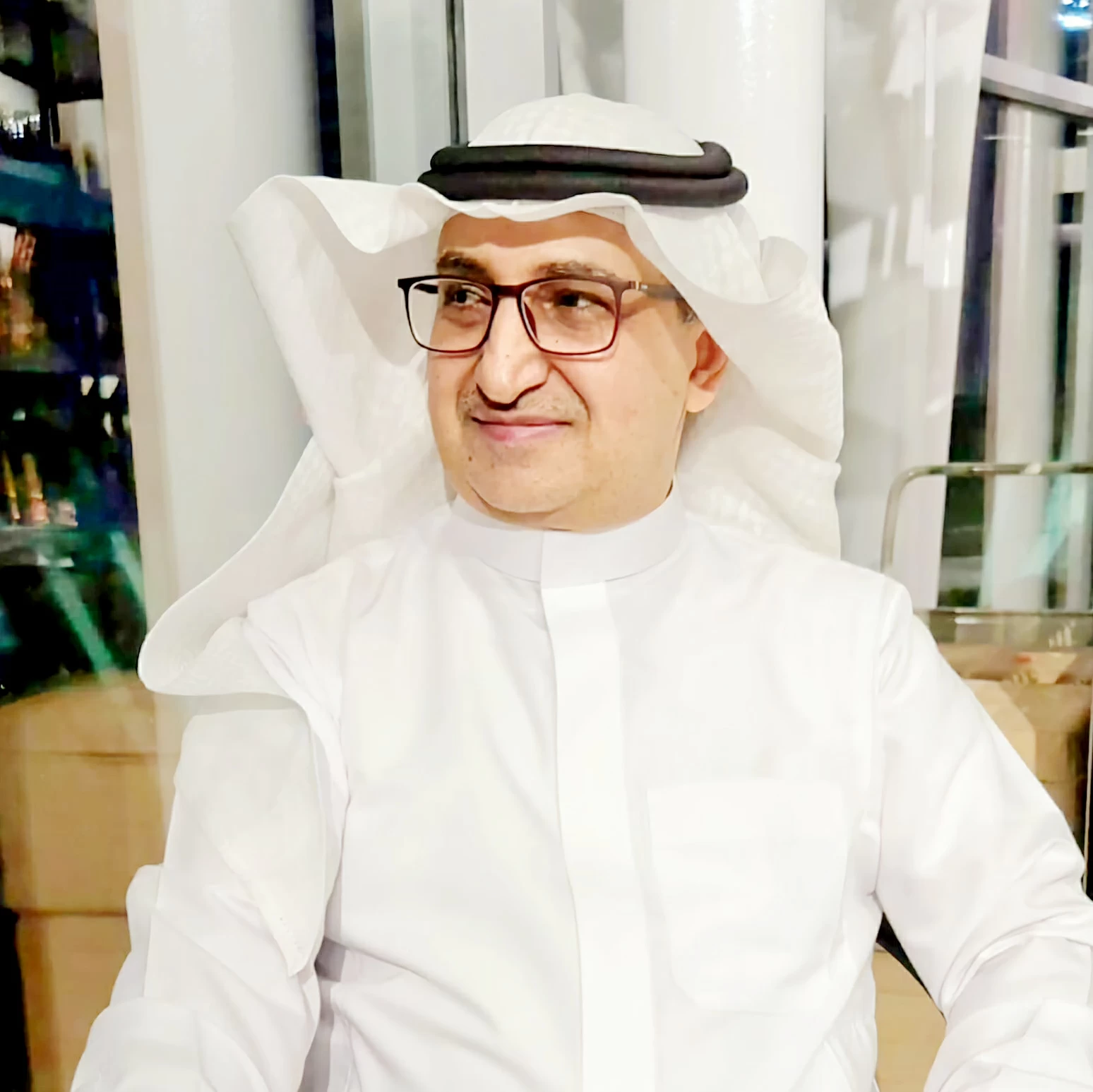
تلتقي في شخصية الدكتور أحمد قِرّان الزهراني مبادئ وقِيم وأخلاقيات، آثر تحصينها بالانتماء دون التفات لمكاسب آنية يعتني بها الدهماء؛ ولذا احتفظت باسمه ورسمه الذاكرة العربيّة شاعراً، واستحضره الفعل الثقافي مُنصفاً نزيهاً، واحتفت به الأكاديمية أستاذاً مهنيّاً راقياً، وبين كل الاهتمامات والفعاليات، أباهي بصديقي الإنسان أحمد، وأسعد بمحاورته هنا، فإلى نصّ الحِوار:• هل تعيش صدمةً بسبب حالة عدم التوازن بين جيل مثقف محمّل بخيبات وجيل خفيف يملأ منصات التواصل؟•• لا أتعامل مع الأمر بوصفه صدمة كاملة، وإنما باعتباره تحولاً عميقاً في بنية الوعي وطبيعة المجال العام، فكل مرحلة تاريخية تنتج أدواتها الخاصة، وتعيد تعريف مفهوم التأثير والنجومية والمعرفة.المشكلة ليست في وجود محتوى خفيف أو سريع، فهذا أمر عرفته البشرية بأشكال مختلفة، لكن الإشكال الحقيقي يكمن في أن الخطاب الثقافي الجاد لم ينجح دائماً في تطوير لغته وأدواته وطرق وصوله إلى الناس، وكثير من المثقفين ظلوا يتحدثون بالعقلية نفسها بينما العالم تغيّر جذرياً من حولهم، وربما لهذا كان (مارشال ماكلوهان) يرى أن «الوسيلة ليست مجرد أداة لنقل الرسالة، بل هي التي تعيد تشكيل طريقة إدراك الإنسان للعالم»؛ لهذا أرى أن الأزمة ليست أزمة جمهور فقط، إنما أزمة خطاب ثقافي أيضاً، وأزمة قيم ومبادئ ومواقف.• بماذا خرجت من العمل في القطاع الثقافي عقوداً؟•• خرجت بقناعة أن الثقافة الحقيقية لا تُختصر في الفعاليات والاحتفالات والصور الرسمية، وإنما في قدرتها على إعادة تشكيل الإنسان من الداخل، كما أدركت أن جزءاً كبيراً من الصراع الثقافي لم يكن دائماً صراع أفكار خالصة، بل كان أحياناً صراع حضور ومكانة ونفوذ رمزي، ومع ذلك لا يمكن إنكار أن العمل الثقافي يظل أحد أهم المجالات القادرة على بناء الوعي طويل المدى، والمساهمة في الفعل الثقافي وقيادته إلى تقديم الثقافة الحقيقية بعيداً عن الصراعات حتى إن بدا أثره بطيئاً مقارنة بسطوة المؤقت والعابر.• أي صورة ذهنية تحتفظ بها عن المثقف العربي؟•• المثقف العربي في ذهني شخصية مثقلة بالتاريخ والأسئلة والهزائم والانكسارات، بالفقر والعوز والحاجة، يحمل رغبة عميقة في التغيير، لكنه يتحرّك غالباً داخل بيئات سياسية واجتماعية مرتبكة؛ لذلك يبدو متوتراً بين المثال والواقع، وبين الحلم والقدرة الفعلية على التأثير.أحياناً أشعر أن المثقف العربي يعيش عبئاً مزدوجاً: عبء المعرفة، وعبء العجز عن تحويل هذه المعرفة إلى أثر واسع.• إلى أين تتجه بوصلة الثقافة العربية في ظل اختلاط الحابل بالنابل؟•• الثقافة العربية تمر بمرحلة سيولة وتحوّل غير مسبوقة، فالمرجعيات القديمة لم تعد تحتفظ بسلطتها الكاملة كما كان الحال سابقاً، وفي المقابل لم تتشكل بعد مرجعيات جديدة مستقرة يمكن الركون إليها، وهذا ما خلق حالة واسعة من الاختلاط والتشويش والفوضى الثقافية.في الماضي كانت هناك -رغم كل الملاحظات- مؤسسات ثقافية ونقدية وأسماء فكرية قادرة بدرجات متفاوتة على فرز الجيد من الرديء، أما اليوم أصبحت المنصات الرقمية تمنح الجميع المساحة نفسها تقريباً، دون وجود معايير واضحة للقيمة أو العمق أو التأثير، فاختلط الإنتاج المعرفي الحقيقي بالمحتوى السريع، وأصبح الحضور في أحيان كثيرة مرتبطاً بالقدرة على الجذب والانتشار لا بالقدرة على الإضافة والتأثير العميق، ولكي تعرف مقدار هذه السيولة انظر في ما ينشر من نصوص نثرية في وسائل التواصل الاجتماعي أو حتى وسائل الإعلام التقليدية، إذ تراجعت الحدود الفاصلة بين الأجناس الأدبية، واختلط الشعر الحقيقي بالخاطرة والتأملات والبوح الشخصي واللغة الوجدانية المفتوحة.ومع ذلك لا أرى أن المشهد سوداوي بالكامل، غير أن المشكلة الحقيقية تكمن في أن التحول يحدث بسرعة أكبر من قدرة المؤسسات الثقافية والتعليمية والنقدية على استيعابه أو تنظيمه، وأعتقد أننا نعيش مرحلة انتقالية طويلة سيعاد خلالها تعريف المثقف، والكتاب، والمعرفة، وحتى معنى التأثير الثقافي نفسه، وربما لا تكون السلطة الثقافية مستقبلاً حكراً على الأسماء والمؤسسات كما كانت، وإنما على من يستطيع إنتاج معنى حقيقي وسط هذا الضجيج الهائل.• ألا يحتاج الفضاء التواصلي لتحكيم أو لجان انضباط شأن كرة القدم؟•• المسألة أعقد من فكرة الضبط المباشر. المنصات الرقمية فضاءات مفتوحة وعابرة للحدود، وأي محاولة لتحويلها إلى مساحة مراقبة بالكامل ستنتج مشكلات أخرى. ما نحتاجه في تقديري ليس فقط الرقابة، وإنما بناء وعي نقدي وتعليمي يجعل المستخدم قادراً على التمييز والتحليل وعدم الانجراف وراء كل ما يمر أمامه. الإنسان الواعي أكثر فاعلية من أي لجنة انضباط.• ما الذي يؤرقك وأنت تستقرئ مستقبل الأدباء؟•• يؤرقني أن يتحوّل الأدب إلى منتج سريع الاستهلاك، وأن يصبح الكاتب أسير الخوارزمية والمنصة وعدد المشاهدات؛ لأن الأدب الحقيقي يحتاج زمناً وتأملاً وصبراً على اللغة والفكرة، بينما العالم الرقمي يدفع الجميع نحو السرعة والاختصار والسطحية. ويقلقني أن يشعر كثير من الأدباء اليوم بأن قيمتهم أصبحت مرتبطة بالحضور الرقمي أكثر من القيمة الإبداعية نفسها، وأن يتحوّل بعضهم تدريجيّاً من الانشغال بكتابة النص إلى الانشغال بتسويق الذات وملاحقة التفاعل اليومي، وأخشى أن نفقد مع الوقت القدرة على القراءة العميقة، وأن يصبح الأدب نفسه أقل قدرة على إنتاج الأسئلة الكبرى التي كانت تمنح الإنسان معنى أعمق للحياة والتاريخ والعالم.• بحكم التخصص الأكاديمي.. هل يمكن حماية الأديب من التسييس؟•• لا أعتقد أن الأديب يمكن فصله تماماً عن السياسة؛ لأن الكاتب ابن واقعه وتاريخه وتحولاته الاجتماعية، ولكن يمكن حماية الأديب من التحول إلى أداة دعائية أو صوت مؤدلج بالكامل. هناك فرق كبير بين من يكتب من داخل وعيه وتجربته الإنسانية، ومن يتحوّل إلى مجرد لسان لخطاب سياسي أو أيديولوجي جاهز.• بماذا يمكن أن تحصّن نفسك من العدوى السلبية؟•• أحاول أن أحتفظ بمسافة نقدية بيني وبين كل شيء، حتى تجاه الأفكار التي أؤمن بها، كما أن العزلة الجزئية أحياناً ضرورة؛ لأن الضجيج المستمر يستهلك الإنسان نفسيّاً وفكريّاً.القراءة، والتأمل، وتقليل الانخراط في السجالات اليومية، كلها وسائل تساعدني على الحفاظ على شيء من التوازن الداخلي.• أ غبت عن الشعر، أم أنه غاب عنك، أم غُيّبت ممن اعتنيت بهم؟•• أظن أن الشعر لا يغيب تماماً، لكنه أحياناً يختار الصمت لبعض الوقت، ربما انشغلت خلال الأعوام الماضية بأسئلة الفكر والبحث والعمل الأكاديمي، وربما أخذت الحياة جزءاً من تلك العزلة التي يحتاجها الشعر؛ كي يظهر بالصوت الذي يليق به. ومع ذلك ما زلت أؤمن أن القصيدة الحقيقية لا تموت داخل صاحبها، وإنما تعيد ترتيب حضورها فقط.لدي ديوان جديد سيصدر قريباً إن شاء الله، وأشعر أنه مختلف عمّا سبق، على الأقل في ظني واعتقادي، سواء من ناحية اللغة أو الرؤية أو التجربة الإنسانية التي يحملها.كما أن لدي كتاباً فكرياً على وشك الصدور بعنوان «فلسفة الأخلاق في العصر الرقمي»، وهو مشروع يشغلني كثيراً؛ لأنه يحاول الاقتراب من الأسئلة الأخلاقية التي فرضها العالم الرقمي على الإنسان المعاصر.أما المثقفون الذين سنحت لي فرصة للاعتناء بهم على قدر المساحة التي اتيحت لي فالود الحقيقي لا يفسده الغياب، فهم ما زالوا أوفياء كما عرفتهم، وأنا ما زلت أرى فيهم ذلك الزمن الذي كانت الثقافة عموماً والشعر خصوصاً أقرب إلى القلب من كل شيء.• أين تجد نفسك اليوم؟•• أجد نفسي اليوم أقرب إلى التأمل والمراجعة من الاندفاع وإطلاق الأحكام السريعة والخوض في جدالات لا فائدة ترجى منها، عدا تلك التي تتعلق بالثوابت شريطة أن تكون عقلانية ومحدودة زمنيّاً حتى لا ينجرف إلى مناطق تقلل من قيمته وقيمه وأخلاقياته.ربما تمنحك الحياة والقراءة والسفر قدرة أكبر على رؤية التعقيدات الإنسانية، وتجعلك تمقت الشعارات والصخب، وتكون أكثر ميلاً للفهم الهادئ والمتزن.• متى ستعود للقصيدة؟•• القصيدة لا تأتي بالمواعيد، هي لحظة شعورية ومعرفية معقّدة، وحين تصل اللغة إلى درجة لا يعود معها الصمت ممكناً، تعود القصيدة وحدها، والحقيقة أنني أسكن القصيدة وتسكنني، لكن المشكلة التي تجتاحني أنني أصبحت انتقائيّاً، فيما أكتب وما أقرأ، لم تعد تعجبني أي قصيدة، وفي ظل الهيجان الشعري الذي نعيشه أصبت بتخمة شعرية، وللمحافظة على الذائقة الشعرية أحاول أن أهرب من النصوص التي تنشر على منصات التواصل الاجتماعي إلا ما أشعر بأنها ذات قيمة شعرية حقيقية.• هل القصيدة أنثى متمردة؟•• القصيدة تشبه الكائن الحر الذي يرفض الترويض الكامل، وكل محاولة لفرض الوصاية عليها تفقدها جزءاً من روحها، وربما تشبه الأنثى في قدرتها على الإدهاش والتحوّل والغموض والانسحاب المفاجئ.• ما الذي يشغلك الآن أكثر؟•• يشغلني الإنسان وسط هذا الفيض الرقمي الهائل: كيف يمكن الحفاظ على العمق والقدرة على التفكير الهادئ في عالم يزداد سرعة وتشظياً كل يوم؟ وكيف يمكن الحفاظ على المجتمعات من التحول إلى جماعات متجاورة رقميّاً لكنها متباعدة إنسانيا وفكريّاً؟أحياناً أشعر أن الخطر الحقيقي لم يعد في نقص المعلومات، وإنما في فائضها؛ لأن الضجيج حين يزداد يربك المعرفة والقيم والذائقة والقدرة على التمييز أيضاً، ولهذا تبدو عبارة «زيجمونت باومان» عن «السيولة» شديدة الدقة في توصيف عالمنا المعاصر، حيث تصبح العلاقات والمعاني والقيم أكثر هشاشة وسرعة في التحوّل من أي وقت مضى؛ لهذا أرى أن المعركة القادمة ليست معركة تقنية بقدر ما هي معركة وعي، ومعركة إنسان يحاول ألّا يفقد نفسه وسط هذا التدفق الهائل من الصور والأفكار والآراء العابرة.• كيف تتجاوز إحباطات وانكسارات المراحل؟•• أحاول أن أفهم الحياة بوصفها سلسلة من التحولات لا خطّاً مستقيماً من الانتصارات، وكل مرحلة تحمل خسائرها ودروسها، والإنسان مع الوقت يتعلم كيف يتعايش مع الندوب دون أن يسمح لها بأن توقفه.المثقف الذي لا يمر بإحباطات وانكسارات يظل حبيس نفسه وتجربته؛ لأن كثيراً من الوعي الحقيقي يولد من لحظات التصدع لا من لحظات الاكتمال، ولعلني هنا أستحضر ما كان يقوله نيتشه: «ما لا يقتلني يجعلني أكثر قوة»، ليس بمعنى الصلابة الجافة، وإنما بمعنى أن التجارب القاسية تعيد تشكيل فهم الإنسان لنفسه وللعالم.بعض الخسارات تؤلم، لكنها تعيد ترتيب نظرتنا إلى الناس والأفكار والطموحات، وتجعل الإنسان أكثر هدوءاً وأقل اندفاعاً في أحكامه.ومع الزمن يكتشف المرء أن النجاة لا تعني أن تخرج من الحياة بلا جروح، وإنما أن تحتفظ بقدرتك على الاستمرار دون أن تتحوّل تلك الجروح إلى قسوة أو مرارة أو فقدان للإنسانية.• ما برنامجك اليومي؟•• لا أميل إلى الصرامة الكاملة في تنظيم اليوم، ربما بعض الالتزام وبعض الفوضى هي من تتحكم بالوقت، لكن القراءة والكتابة والتأمّل تبقى جزءاً ثابتاً من تفاصيل يومي مهما تغيرت الظروف والانشغالات، والبحث العلمي ربما يأخذ مساحة كبيرة من الوقت، وبقدر ما هو مرهق ومتعب بقدر ما هو ممتع وشيق؛ لهذا يأخذ الوقت دون أن أشعر به.• كيف أنت مع القراءة؟•• القراءة بالنسبة لي ليست هواية عابرة، وإنما عادة وطقس وفريضة، فهي طريقة لفهم العالم ومراجعة النفس وتوسيع زاوية النظر إلى الحياة والناس والأفكار.القراءة حالة من الإدمان التي لا يرجو الإنسان أن يشفى منها.بالقراءة تكتشف الماضي والتاريخ والجغرافيا وتشارك في الحاضر بكل تناقضاته وصراعاته، وتحاول أن تساهم في بناء المستقبل وإن كان مجهولاً.• لمن تقرأ؟•• في الفترة الأخيرة أقرأ للفلاسفة بشكل كبير، وقد أصل مع أفكارهم إلى أبواب مغلقة، ومفاهيم لم تكتمل وآراء لم تنضج، ثم للنقاد الذين لم يتعالوا على النصوص، والشعراء والروائيين والمفكرين، ولكل نص يجعلني أخرج من طريقة التفكير المعتادة إلى أفق آخر، إلى منطقة تضيف لي بعداً معرفيّاً ووضوحاً في الرؤية وتفكيكاً للنصوص بكل أشكالها.• من شاعرك الأثير أو شاعرتك؟•• يصعب اختزال الأمر في اسم واحد؛ لأن علاقتنا بالشعر تتغيّر مع الزمن والتجربة، لكن هناك شعراء تركوا أثراً عميقاً في تكويني الوجداني والفكري، لعل المتنبي يأتي في مقدمتهم، وكذلك شعراء المعلقات، بل أغلب الشعراء القدامى، وعدد من شعراء العربية المعاصرين، وبعض الشعراء الغربيين مثل أليوت وبابلو نيرودا ولوركا، وهناك قصائد تأثرت بها لشعراء عرب قديماً وحديثاً، بدءاً من القصيدة اليتيمة للشاعر دوقلة المنبجي ولامية العرب للشنفرى وجدارية لدرويش، وليس انتهاء بقصيدة «مولاي إني ببابك للنقشبندي»، ولكل واحد من الشعراء عالمه المختلف ورؤيته الخاصة للإنسان واللغة والوجود، و«الشجى يبعث الشجى».• لماذا لم تجرّب كتابة الرواية؟•• في الحقيقة جرّبت ذلك قبل نحو خمسة عشر عاماً، وكتبت رواية كاملة لم يتبقّ إلا نقلها من الأوراق إلى جهاز الحاسوب، غير أنني انتقلت في تلك الفترة إلى القاهرة، وهناك فقدت مسودة الرواية كلها، كان ذلك من أكثر ما أحزنني في تجربتي الكتابية، حتى إنني أحجمت بعدها عن كتابة الرواية سنوات طويلة.واليوم أعود إلى هذا الحلم من جديد، وقد أوشكت على الانتهاء من روايتي الأولى، وآمل أن أبلغ نهايتها هذه المرة قبل أن تمتد إليها يد الفقد كما حدث سابقاً.أما ما يُسمّى بتحوّل الشعراء إلى روائيين، فأنا لا أراه تحولاً بالمعنى الدقيق للكلمة، فالشاعر لا يغادر الشعر حين يكتب الرواية، وإنما يوسع أدواته التعبيرية ويختبر فضاءً أدبياً مختلفاً، والذي يستطيع أن يكتب الشعر، وهو الفن الذي يعجز عنه كثير من الروائيين والنقاد، يملك في الغالب القدرة على كتابة الرواية متى امتلك أدواتها الفنية.والتجارب في هذا المجال كثيرة عربيّاً وعالميّاً، فقد كتب عدد من كبار الشعراء الرواية، وحققوا فيها حضوراً لافتاً، ومن أبرزهم يوهان غوته، وفيكتور هوغو، وألكسندر بوشكين، وبوريس باسترناك، ولم يفقد هؤلاء هويتهم الشعرية عندما كتبوا الرواية، بل حملوا معهم حساسية الشاعر ورؤيته ولغته إلى العالم السردي.لهذا لا أرى الأمر انتقالاً من الشعر إلى الرواية بقدر ما أراه اتساعاً في أفق الكتابة.فالشاعر حين يكتب الرواية لا يتخلى عن الشعر، وإنما يمنحه مساحة أخرى للتعبير، وينتقل من بناء القصيدة إلى بناء العالم الروائي، ومن تكثيف اللحظة إلى امتداد الحكاية.• ماذا يدور ببالك في هذه اللحظة؟•• أفكر في هذا التحول الهائل الذي يعيشه الإنسان المعاصر، وفي الكيفية التي أصبح بها العالم أسرع من قدرة الروح على الاستيعاب، وأتساءل أحياناً: هل ما زال الإنسان يملك الوقت الكافي ليصغي إلى نفسه فعلاً؟أفكر أيضاً: هل فقد المثقف دوره فعلاً، أم أن الناس لم تعد تمنح الفكر والقراءة المساحة التي كانت تمنحها لهما سابقاً؟أفكر أحياناً: لمن نكتب فعلاً؟ وما الأثر الذي يمكن أن تتركه الكلمات وسط هذا الزحام الكبير؟ وهل يأتي الوقت الذي تجد فيه الفكرة طريقها الحقيقي إلى الناس، أم أن كثيراً من أنواع الكتابة سيظل معلقاً ينتظر قارئاً يُقدّر ما نكتب كما كنا نفعل مع أسلافنا؟In the personality of Dr. Ahmed Qiran Al-Zahrani, principles, values, and ethics converge, which he preferred to fortify with belonging without paying attention to immediate gains that the masses care about; thus, his name and image have remained in the Arab memory as a poet, and the cultural action has summoned him as a fair and impartial figure, while the academy celebrated him as a distinguished professional professor. Among all the interests and activities, I take pride in my friendship with the human being Ahmed, and I am pleased to engage in dialogue with him here, so here is the text of the dialogue:• Are you experiencing a shock due to the imbalance between a cultured generation burdened with disappointments and a light generation filling social media platforms?•• I do not view the matter as a complete shock, but rather as a profound transformation in the structure of awareness and the nature of the public sphere. Every historical stage produces its own tools and redefines the concepts of influence, stardom, and knowledge.The problem is not in the existence of light or quick content; this is something humanity has known in various forms. However, the real issue lies in the fact that serious cultural discourse has not always succeeded in developing its language, tools, and methods of reaching people. Many intellectuals have continued to speak with the same mentality while the world has radically changed around them. Perhaps this is why (Marshall McLuhan) believed that “the medium is not just a tool for conveying the message; it is what reshapes the way humans perceive the world.” Therefore, I see that the crisis is not just a crisis of the audience but also a crisis of cultural discourse, values, principles, and positions.• What have you gained from working in the cultural sector for decades?•• I have come away with the conviction that true culture cannot be reduced to events, celebrations, and official images, but rather in its ability to reshape the human being from within. I have also realized that a significant part of the cultural struggle has not always been a struggle of pure ideas; sometimes it has been a struggle for presence, status, and symbolic influence. Nevertheless, it cannot be denied that cultural work remains one of the most important fields capable of building long-term awareness and contributing to cultural action and leading it to present true culture away from conflicts, even if its impact seems slow compared to the dominance of the temporary and transient.• What mental image do you hold of the Arab intellectual?•• The Arab intellectual in my mind is a character burdened with history, questions, defeats, and setbacks, with poverty, need, and want. He carries a deep desire for change, but often moves within confused political and social environments; therefore, he appears tense between the ideal and reality, between dreams and the actual ability to influence.Sometimes I feel that the Arab intellectual lives with a double burden: the burden of knowledge and the burden of the inability to transform this knowledge into widespread impact.• Where is the compass of Arab culture heading amidst the confusion?•• Arab culture is going through an unprecedented phase of fluidity and transformation. The old references no longer retain their full authority as they once did, and on the other hand, new stable references have not yet formed to rely on, which has created a wide state of mixing, confusion, and cultural chaos.In the past, despite all the observations, there were cultural and critical institutions and intellectual names capable, to varying degrees, of sorting the good from the bad. Today, digital platforms give everyone almost the same space, without clear standards for value, depth, or impact. Thus, genuine knowledge production has mixed with quick content, and presence is often linked to the ability to attract and spread rather than to the ability to add and deeply influence. To understand the extent of this fluidity, look at the prose texts published on social media or even traditional media, as the boundaries between literary genres have diminished, and real poetry has mixed with reflections, personal expressions, and open emotional language.Yet, I do not see the scene as entirely bleak; however, the real problem lies in the fact that the transformation is happening faster than the ability of cultural, educational, and critical institutions to absorb or organize it. I believe we are living through a long transitional phase in which the intellectual, the book, knowledge, and even the meaning of cultural influence itself will be redefined. Perhaps in the future, cultural authority will not be exclusive to names and institutions as it once was, but to those who can produce genuine meaning amidst this immense noise.• Does the communicative space not need arbitration or disciplinary committees like in football?•• The issue is more complex than the idea of direct control. Digital platforms are open spaces that transcend borders, and any attempt to turn them into a fully monitored space will produce other problems. What we need, in my opinion, is not just censorship, but building a critical and educational awareness that enables users to distinguish and analyze without being swept away by everything that passes before them. A conscious person is more effective than any disciplinary committee.• What troubles you as you contemplate the future of writers?•• I am troubled by the idea that literature might turn into a fast-consumption product, and that the writer becomes a prisoner of algorithms, platforms, and view counts; because true literature requires time, contemplation, and patience with language and ideas, while the digital world pushes everyone towards speed, brevity, and superficiality. I am also concerned that many writers today feel that their value has become more tied to digital presence than to the creative value itself, and that some may gradually shift from focusing on writing texts to focusing on self-marketing and chasing daily interactions. I fear that over time we will lose the ability to read deeply, and that literature itself will become less capable of producing the great questions that once gave humans a deeper meaning of life, history, and the world.• Given your academic specialization, can the writer be protected from politicization?•• I do not believe that the writer can be completely separated from politics; because the writer is a product of his reality, history, and social transformations. However, the writer can be protected from becoming a propaganda tool or a fully ideological voice. There is a significant difference between someone who writes from within his awareness and human experience and someone who becomes merely a mouthpiece for a ready political or ideological discourse.• How can you protect yourself from negative contagion?•• I try to maintain a critical distance between myself and everything, even towards the ideas I believe in. Partial isolation is sometimes necessary because the constant noise consumes a person psychologically and intellectually.Reading, contemplation, and reducing engagement in daily debates are all means that help me maintain some internal balance.• Have you disappeared from poetry, or has it disappeared from you, or have you been overshadowed by those you cared for?•• I think poetry does not completely disappear; sometimes it chooses silence for a while. Perhaps I have been preoccupied over the past years with questions of thought, research, and academic work, and perhaps life has taken away some of that isolation that poetry needs to emerge in the voice it deserves. Nevertheless, I still believe that the true poem does not die within its owner; rather, it only rearranges its presence.I have a new collection that will be released soon, God willing, and I feel it is different from what came before, at least in my perception and belief, whether in terms of language, vision, or the human experience it carries.I also have an intellectual book about to be published titled “The Philosophy of Ethics in the Digital Age,” which is a project that occupies me a lot; because it attempts to approach the ethical questions that the digital world has imposed on contemporary humans.As for the intellectuals I had the opportunity to care for to the extent of the space available to me, true affection is not spoiled by absence; they remain as loyal as I knew them, and I still see in them that time when culture in general and poetry in particular were closer to the heart than anything else.• Where do you find yourself today?•• I find myself today closer to contemplation and review than to impulsiveness, quick judgments, and engaging in debates that yield no benefit, except those related to constants, provided they are rational and temporally limited so as not to drift into areas that diminish my value, principles, and ethics.Perhaps life, reading, and travel grant you a greater ability to see human complexities, make you detest slogans and noise, and incline you more towards calm and balanced understanding.• When will you return to poetry?•• Poetry does not come on schedules; it is a complex emotional and cognitive moment. When language reaches a point where silence is no longer possible, poetry returns on its own. The truth is that I inhabit poetry, and it inhabits me, but the problem that overwhelms me is that I have become selective in what I write and read; I no longer like any poem, and amidst the poetic frenzy we are experiencing, I have become overwhelmed with poetry. To maintain my poetic taste, I try to escape from the texts published on social media platforms unless I feel they have genuine poetic value.• Is poetry a rebellious female?•• Poetry resembles a free being that refuses complete taming, and any attempt to impose guardianship over it robs it of part of its spirit. Perhaps it resembles a woman in its ability to astonish, transform, embody mystery, and withdraw suddenly.• What occupies your mind the most right now?•• I am occupied by the human being amidst this immense digital flood: how can depth and the ability to think calmly be preserved in a world that grows faster and more fragmented every day? How can societies be preserved from turning into digitally adjacent groups but humanly and intellectually distant?Sometimes I feel that the real danger is no longer in the lack of information but in its surplus; because when noise increases, it confuses knowledge, values, taste, and the ability to distinguish as well. This is why Zygmunt Bauman’s phrase about “liquidity” is very accurate in describing our contemporary world, where relationships, meanings, and values become more fragile and rapidly transform than ever before. Therefore, I see that the coming battle is not a technical battle as much as it is a battle of awareness, and a battle for a human who tries not to lose himself amidst this immense flow of transient images, ideas, and opinions.• How do you overcome the frustrations and setbacks of the stages?•• I try to understand life as a series of transformations, not a straight line of victories. Each stage carries its losses and lessons, and over time, a person learns how to coexist with scars without allowing them to stop him.The intellectual who does not go through frustrations and setbacks remains trapped in himself and his experience; because much of true awareness is born from moments of fracture, not from moments of completeness. Perhaps I recall what Nietzsche used to say: “What does not kill me makes me stronger,” not in the sense of dry rigidity, but in the sense that harsh experiences reshape a person’s understanding of himself and the world.Some losses are painful, but they rearrange our perspective on people, ideas, and ambitions, making a person calmer and less impulsive in his judgments.Over time, one discovers that survival does not mean coming out of life without wounds, but rather retaining your ability to continue without allowing those wounds to turn into harshness, bitterness, or loss of humanity.• What is your daily routine?•• I do not lean towards complete rigidity in organizing my day; perhaps some commitment and some chaos control my time. However, reading, writing, and contemplation remain a fixed part of my daily details, no matter how circumstances and engagements change. Scientific research may take up a large part of my time, and as exhausting and tiring as it is, it is equally enjoyable and interesting; thus, it takes time without me feeling it.• How are you with reading?•• Reading for me is not a passing hobby; it is a habit, a ritual, and an obligation. It is a way to understand the world, review oneself, and expand the perspective on life, people, and ideas.Reading is a state of addiction that one does not wish to recover from.Through reading, you discover the past, history, and geography, and participate in the present with all its contradictions and conflicts, trying to contribute to building the future even if it is unknown.• Whom do you read?•• Recently, I have been reading a lot of philosophers, and I may reach closed doors with their ideas, incomplete concepts, and immature opinions. Then I read critics who do not distance themselves from the texts, poets, novelists, and thinkers, and every text that makes me step out of my usual way of thinking into another horizon, into a realm that adds a cognitive dimension and clarity in vision and deconstruction of texts in all their forms.• Who is your favorite poet or poetess?•• It is difficult to reduce the matter to a single name; because our relationship with poetry changes over time and experience. However, there are poets who have left a profound impact on my emotional and intellectual formation. Perhaps Al-Mutanabbi comes at the forefront, as well as the poets of the Mu’allaqat, indeed most of the ancient poets, and several contemporary Arab poets, as well as some Western poets like Eliot, Pablo Neruda, and Lorca. There are poems I have been influenced by from both ancient and modern Arab poets, starting from the solitary poem of the poet Duqalah Al-Munbaji, the Lamiyyat Al-Arab of Al-Shanfarah, and the Wall of Darwish, not to mention the poem “Mawlay, I am at Your Door” for Al-Naqshbandi. Each of these poets has his own different world and unique vision of humanity, language, and existence, and “the pain evokes pain.”• Why have you not tried writing a novel?•• In fact, I tried that about fifteen years ago and wrote a complete novel that only needed to be transferred from paper to computer. However, I moved to Cairo during that period, and there I lost the entire manuscript of the novel. That was one of the saddest experiences in my writing journey, to the extent that I refrained from writing novels for many years afterward.Today, I return to this dream anew, and I am close to finishing my first novel. I hope to reach its conclusion this time before the hand of loss extends to it as it did previously.As for what is called the transformation of poets into novelists, I do not see it as a transformation in the precise sense of the word. The poet does not leave poetry when he writes a novel; rather, he expands his expressive tools and tests a different literary space. Those who can write poetry, which is an art that many novelists and critics fail to achieve, generally possess the ability to write novels whenever they have the artistic tools for it.There are many experiences in this field, both Arab and global. Several prominent poets have written novels and achieved notable presence in them, including Johann Wolfgang von Goethe, Victor Hugo, Alexander Pushkin, and Boris Pasternak. These individuals did not lose their poetic identity when they wrote novels; rather, they carried with them the sensitivity of the poet, his vision, and his language into the narrative world.Therefore, I do not see it as a transition from poetry to the novel as much as I see it as an expansion in the horizon of writing.When a poet writes a novel, he does not abandon poetry; rather, he grants it another space for expression, moving from constructing a poem to constructing a fictional world, and from condensing a moment to extending a story.• What is on your mind at this moment?•• I am thinking about this immense transformation that contemporary humans are experiencing, and how the world has become faster than the spirit’s ability to absorb. I sometimes wonder: does a person still have enough time to truly listen to himself?I also think: has the intellectual truly lost his role, or have people stopped granting thought and reading the space they once did? Sometimes I ponder: for whom do we really write? What impact can words leave amidst this great crowd? Will there come a time when an idea finds its true way to people, or will many types of writing remain suspended, waiting for a reader who appreciates what we write as we used to do with our predecessors?