

اخبار السودان – وطن نيوز
اخر اخبار السودان اليوم – اخبار السودان العاجلة
W6nnews.com ==== وطن === تاريخ النشر – 2026-03-09 12:02:00
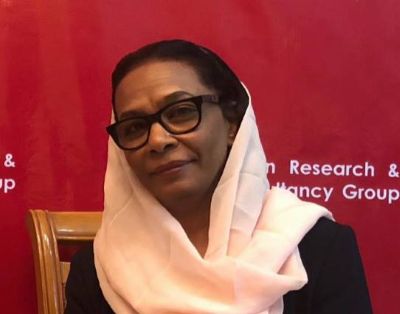
5 hours ago Dr. Nazik Hamid Al Hashemi 99 visits Dr. Nazik Hamid Al-Hashimit Effective administration is the crucial pillar in building a state, especially in the African continent, which faces highly intertwined historical, economic, and social challenges. Administration, through setting policies, strategic planning, and controlling resources, represents the primary lever for achieving political, economic, and social stability, as the absence of good administration undermines efforts to build state institutions and weakens trust between the citizen and the state. In Africa, the state-building process intersects with complex issues, such as ethnic and cultural diversity and economic development pressures, with the difficulty of implementing comprehensive and sustainable policies, making governance both more challenging and important. Therefore, the relationship between administration and state building is not just an organizational function, but rather a driving force that determines the ability of African countries to achieve sustainable development, enhance the rule of law, and ensure social justice. Effective governance gives the state the ability to transform available resources into tangible benefits, enhances the solidity of its institutions, and establishes a solid foundation for long-term growth and prosperity. However, many African countries still face major challenges in the field of administration, partly due to the colonial legacy that left behind weak institutions and legal and administrative frameworks that were designed to serve the interests of the colonizer rather than the interests of the citizens. After its departure, colonialism left behind artificial political borders, incomplete bureaucratic systems, and an administrative culture alien to the local context, making it difficult for independent governments to build effective and stable administration over a long period. Over time, factors such as limited resources, rampant corruption, internal conflicts, and weak strategic planning have added additional challenges, making developing strong and sustainable institutions a difficult process. Accordingly, the colonial legacy remains a long-term influential factor in the ability of African countries to achieve good administration and build the modern state, and it is a factor that must be taken into consideration when searching for solutions to strengthen administration, promote sustainable development, and build strong institutions capable of facing the challenges of the times. Some studies have pointed to this problem, as stated in the book Managing Change in Africa. The Administration of Change in Africa (by Margan Heinemann, 1990) This factor constitutes an important starting point for understanding the nature of public administration in Africa as a transitional administration operating in the context of political, social, and economic transformation after independence. Modern African states started from an institutional reality formed under colonialism, where bureaucracy was designed primarily to control society and manage resources for the benefit of the colonial authority, not to support national development. Rather, the central challenge after independence became to transform administration from a tool of control into a tool for change and state building. The aforementioned book focuses on the idea that development in Africa cannot be achieved through economic plans alone, but rather requires an efficient administrative apparatus that can manage change so that public administration becomes an intermediary that links policies and social reality and transforms development goals into tangible results. It appears from the African experience that the challenges are interconnected and complex, the most prominent of which is the colonial legacy that left behind rigid central structures, a lack of competencies, and weak administrative training, in addition to some discrepancies between traditional values and the requirements of the modern state. These factors have led to a gap between planning and implementation, as many development policies remained trapped in plans without being transformed into effective institutional practices. In this context, the concept of development management emerges, which assumes that management in developing countries must be directed towards change and innovation, not merely maintaining the existing system. This book provides an accurate analysis of the relationship between the efficiency of public administration and the path of economic and social development, explaining that weak administration is directly reflected in the state’s development performance, and that overcoming this weakness requires building institutional capabilities and investing in administrative education and continuous institutional learning. Other studies also indicate the importance of integrating governance and political reforms to enhance community participation and reduce corruption, in addition to benefiting from decentralization and digital governance to improve the quality of public services. The book Managing Change in Africa emphasizes that administration is not just an executive body but rather a strategic tool for building the state and transforming policies into reality, with a focus on the challenges that African countries face as a result of the colonial legacy, such as rigid central structures, lack of local competencies, weak administrative training, and discrepancies between traditional values and the requirements of the modern state. The book also provides specific examples of different African countries, explaining how some countries were able to overcome these obstacles and build strong administrative institutions. In North Africa, countries such as Tunisia and Morocco inherited relatively strong central structures and well-established quasi-European systems, which gave them a kind of institutional stability and allowed the implementation of gradual reforms in sectors such as health and education despite political challenges and internal transformations. In contrast, sub-Saharan countries faced deeper challenges, such as a lack of competencies, ethnic and political conflicts, and institutional corruption, which made administrative reform more difficult and its results delayed. However, there are successful examples that demonstrate that success is possible when reforms are adapted to local reality and investment is made in continuous training of cadres. The book also points out that administrative reform is not limited to amending laws or restructuring institutions, but rather is closely linked to political stability, transparency, and community participation. Any reform attempt that does not take these factors into account often fails, as happened in Nigeria and Liberia as a result of over-reliance on external funding and weak institutional training. On the other hand, some African countries have achieved sustainable successes through local strategies based on internal resources and building strong institutions, such as Botswana, which enabled them to establish an administration based on efficiency and transparency and achieve political stability and sustainable economic growth, to become a model of good governance within the African continent. The book also emphasizes the importance of raising societal and economic awareness among citizens, as society’s awareness of the role of administration in development and accountability makes society an effective partner in reform, reduces corruption and waste, and enhances the state’s ability to achieve sustainable development goals. In this context, the concept of development management emerges, which assumes that management in developing countries must be directed towards change and innovation, not merely maintaining the existing system. The book Public Administration and Development in Africa provides an accurate analysis of the relationship between the efficiency of public administration and the path of economic and social development, explaining that weak administration is directly reflected in the state’s development performance and that overcoming this weakness requires building institutional capabilities and investing in administrative education and continuous institutional learning. The African experience indicates that administrative reform requires a qualified human base, long-term political stability, strong institutions, and cultural awareness that supports change, taking into account the regional differences between North and South Africa. The delay in administrative reform remains understandable and normal after several decades of independence in many countries of the continent, and can be addressed through an integrated set of solutions that address the institutional, political, human and social dimensions. Human capacity building represents the basis on which reform is based in any successful administrative reform plan, as investment must be made in continuous education and training for administrative cadres to ensure the availability of qualified employees capable of managing the state efficiently and effectively. This requires designing local training programs that take into account cultural and regional specificity, as there are differences between the needs of North Africa and the needs of sub-Saharan countries. Also, the exchange of experiences between African countries with successful experiences can constitute a role model in capacity building, while modifying experiences to suit the local reality of each country. Strengthening political stability is a basic condition for the success of any administrative reform, as stability allows for the development of long-term policies and the follow-up of their implementation without interruption due to conflicts or coups. This must include supporting independent legal institutions and promoting democracy and community participation so that public administration becomes a tool for engaging citizens in decision-making and holding the government accountable, which reduces the risks associated with corruption and nepotism. This should also include the use of technology and digital governance to enhance transparency and track performance, enhance the independence of administrative institutions from external influences and reduce dependence on foreign aid, while developing sustainable local strategies for managing financial and human resources. The African experience has shown that reforms imposed from abroad are often ineffective or temporary, and that work must be done to gradually change the administrative and social culture, encourage values based on competence and merit, limit the influence of tribal and family relationships in recruitment and promotions, and enhance citizens’ awareness of the role of administration in development and accountability. Citizens’ economic awareness creates a link between administration and development, as citizens become able to evaluate government performance and demand reforms, which enhances the quality of administration and reduces corruption and waste. In this context, some countries have demonstrated the ability to make tangible improvements in public services through sustainable local and national initiatives, such as the electronic administration system in Tunisia, which aims to accelerate the completion of government transactions and improve the quality of services, while sometimes benefiting from international technical and financial support to enhance the government’s capabilities to implement these initiatives. And the local administration modernization program in South Africa, which enhanced efficiency and transparency in the distribution of resources, while some programs failed in other countries due to weak institutional training and reliance on external funding, which led to reforms stopping shortly after their implementation. Sudan is one of the complex examples of countries facing the challenges of administrative reform and development in Africa. Public administration in Sudan was influenced by the legacy of dual rule, which established central structures aimed primarily at controlling resources and population, which created a legacy of concentrated bureaucracy and weak local competencies after gaining independence. Since 1956 AD, the country has faced a series of military coups, long civil wars, and ethnic and tribal conflicts, which undermined political stability and the continuity of administrative reforms. These factors also contributed to the spread of corruption and nepotism within state institutions. Despite these challenges, some local initiatives have witnessed attempts to enhance administration and transparency, such as local administration development projects and the introduction of limited electronic systems to facilitate the provision of services in major cities. However, weak infrastructure and lack of continuous funding, in addition to reliance on foreign aid, have made these reforms unsustainable in the long term. Moreover, recurring political divisions between the central government and the regions posed an additional challenge to effective decentralization, affecting the state’s ability to direct resources fairly and achieve balanced development. The Sudanese experience shows that any sustainable administrative reform requires long-term political stability, strong institutions, a qualified human base, and community awareness of the role of administration in development and accountability, with the necessity of adapting local strategies to suit the country’s unique cultural, social, and political circumstances. It also highlights the critical role of long-term development planning and the integration of oversight, accountability, and the use of technology and digital governance to enhance transparency and combat corruption, which puts Sudan in front of an opportunity to rebuild effective public administration if political will and sufficient community support are available. Finally, administrative reform requires a comprehensive, long-term strategic vision that combines institutional, human, cultural, and political dimensions, so that the administration becomes more flexible, professional, and able to adapt to future challenges. This vision must include a periodic evaluation of performance and benefit from successful experiences inside and outside the continent, while adapting it according to local conditions, so that reform becomes a comprehensive and sustainable development project capable of achieving economic and social development, enhancing citizens’ confidence in the state, and developing a public administration that balances efficiency, social justice, and the ability to confront future challenges. nazikelhashmi@hotmail.com See also Dr. Nazik Hamid Al-Hashemi Corruption, in its various types, is mutually linked to the ruling regimes as a social phenomenon, as…